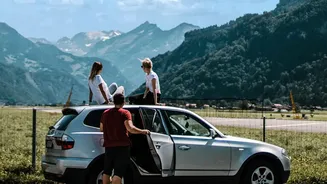









The ritual of saving up all year for one big annual vacation is fading. Gen Z is redefining travel, favouring a 'travel snacking' approach with multiple short breaks and weekend trips over the traditional two-week holiday.
The Rise of the Micro-Cation
The long, meticulously planned
annual holiday is losing its crown to the 'micro-cation'—a short, spontaneous trip lasting four days or less. For Gen Z, travel is less of a once-a-year event and more of a regular habit. Recent surveys highlight this dramatic shift; a 2026 Airbnb report revealed that 87% of young Indian travellers prefer trips lasting less than a week, and a remarkable 70% would rather take three short getaways than one long one. This trend isn't just about saving vacation days; it's a fundamental change in mindset. The appeal lies in frequency and flexibility. Instead of one big splash, this generation prefers a steady stream of smaller, more manageable adventures that fit around work, studies, and modern life's unpredictable rhythm.
Budget-Friendly and Burnout-Proof
Financial practicality is a major driver of this trend. With many Gen Z-ers facing economic pressures, the cost of a long, elaborate holiday can be prohibitive. Shorter trips are simply easier to budget for and require less upfront saving. According to one survey, 30% of Gen Z travellers cited easier budgeting as a key reason for preferring short breaks. This approach spreads the joy—and the cost—of travel throughout the year, making it more accessible. It also serves as a potent antidote to burnout. In a world of constant connectivity and work pressures, waiting a full year for a break feels less tenable. Frequent, short trips offer regular opportunities to disconnect, recharge, and combat mental fatigue, making travel a tool for ongoing wellness rather than a single, exhaustive annual escape.
Driven by Digital Discovery
Social media has fundamentally changed how Gen Z discovers and decides on travel. Platforms like Instagram and TikTok are not just for sharing photos; they are powerful engines of inspiration and planning. Research shows that a vast majority of Gen Z travellers use social media to get trip ideas, with many deciding on a destination based on what they see online. Short, visually compelling trips are perfectly suited for this digital ecosystem, providing a constant stream of new, shareable content. This generation values authenticity and unique experiences over ticking off a list of famous landmarks. A trip's 'grammability' and the potential for creating engaging content play a significant role, turning travel into a form of self-expression. As one report noted, 87% of Gen Z agree that the way they travel reflects who they are as a person.
Spontaneity Over Spreadsheets
This new generation of travellers has been dubbed the 'anti-itinerary' generation. The days of rigid, hourstby hour schedules are being replaced by a desire for spontaneity and freedom. Data shows two/thirds of Gen Z book their trips within just a few days or weeks of departure, not months in advance. This preference for unplanned exploration is about valuing moments over monuments; 80% say small, organic moments matter more than famous attractions. Many intentionally leave their schedules open to simply rest, explore a local market, or do nothing at all. For this group, who you travel with is often more important than the destination itself, making shared homes and communal experiences more popular than isolated hotel rooms.