





That frustrating moment when your hair seems to have a life of its own, with strands standing on end, is a classic sign of static. It's especially common in winter, but why does it happen? The answer lies in simple physics and the air around you.
The Science of Static Hair
Static
electricity is all about the movement of tiny particles called electrons. Everything is made of atoms, which have positively charged protons and negatively charged electrons. When two objects rub against each other, electrons can transfer from one to the other. For instance, when your hair rubs against a woolly hat or a scarf, it can lose some of its electrons, leaving the hair with a positive charge. Since each strand now carries the same positive charge, they start to repel each other, just like trying to push two same-sided magnets together. This repulsion is what causes your hair to lift and create those pesky flyaways.
Why Low Humidity Is the Main Culprit
The real key to this electrifying problem is humidity, or the amount of moisture in the air. On a humid day, the water vapour in the air helps to conduct electricity, allowing the static charge on your hair to dissipate harmlessly. But when the air is dry, like during cold winter months or in heated indoor environments, there's not enough moisture to carry the charge away. This dry air acts as an insulator, trapping the electrical charge on your hair and making the strands repel each other more intensely. Dehydrated or damaged hair is even more susceptible because it lacks the internal moisture that would normally help dissipate some of that charge.
How Anti-Static Sprays Come to the Rescue
Anti-static sprays are designed to solve this problem in two main ways: by adding moisture and by neutralizing the charge. Most sprays work by depositing a very thin, invisible film onto the hair. This layer does a couple of important things. First, it adds hydration back into the hair, which makes the hair itself more conductive and less likely to hold a charge. Second, many of these products contain positively charged ingredients, often called cationic polymers, like Cetrimonium Chloride. These positive charges counteract the negative charges causing the static, effectively neutralizing the electrical imbalance and allowing your hair to lie flat and smooth again. The effect is temporary, as it's a surface treatment, but it's highly effective at managing daily static.
Key Ingredients That Tame the Frizz
When you look at the label of an anti-static spray, you'll see a few types of ingredients working together. Humectants like glycerin or panthenol are crucial because they attract moisture from the air and draw it into the hair shaft, boosting hydration. You will also find conditioning agents and polymers, such as certain types of silicones or polyquaternium compounds. These ingredients create a smooth film over the hair cuticle, which reduces friction when you brush your hair or pull on a sweater, preventing the initial charge from building up in the first place. Finally, ingredients like Cetrimonium Chloride or Behentrimonium Methosulfate act as the primary anti_static agents by neutralizing charge.
More Ways to Fight Static
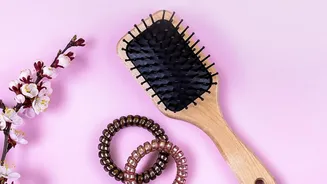
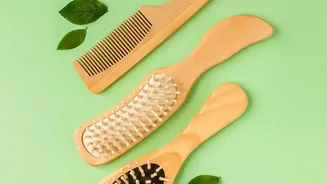
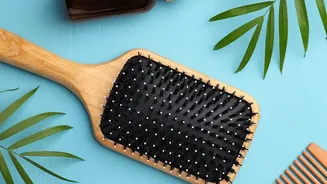
While anti_static spray is a great tool, you can also fight static with a few simple habit changes. Using a humidifier in your home, especially in the bedroom, can add much_needed moisture to the air. Switching from a plastic brush to one made from natural materials like wood or boar bristles can also reduce friction and static buildup. Hydration is key, so incorporating a moisturizing shampoo, conditioner, and a weekly deep_conditioning mask into your routine will make your hair less prone to dryness and static. Finally, avoid fabrics like polyester and nylon in your hats and scarves where possible, as they are more likely to generate static; opt for natural fibers like cotton or silk instead.