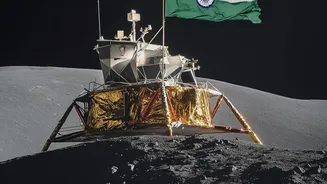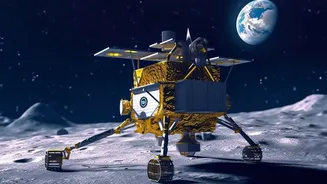


Fresh off the historic success of Chandrayaan-3, ISRO is setting its sights on an even more ambitious goal: bringing a piece of the Moon back to Earth. The upcoming Chandrayaan-4 mission isn't just about collecting rocks; it’s a complex operation designed
to retrieve lunar soil, with a special focus on the possibility of water ice.
From Landing to Launching Back
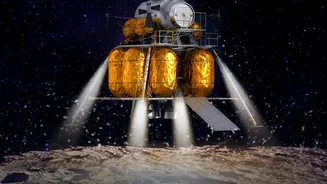
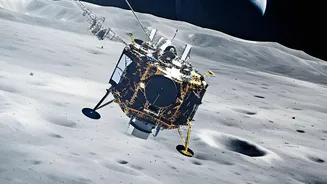
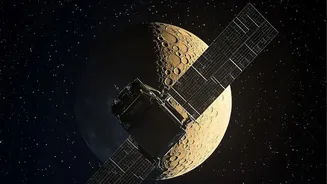
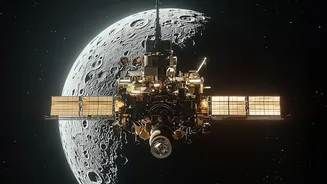
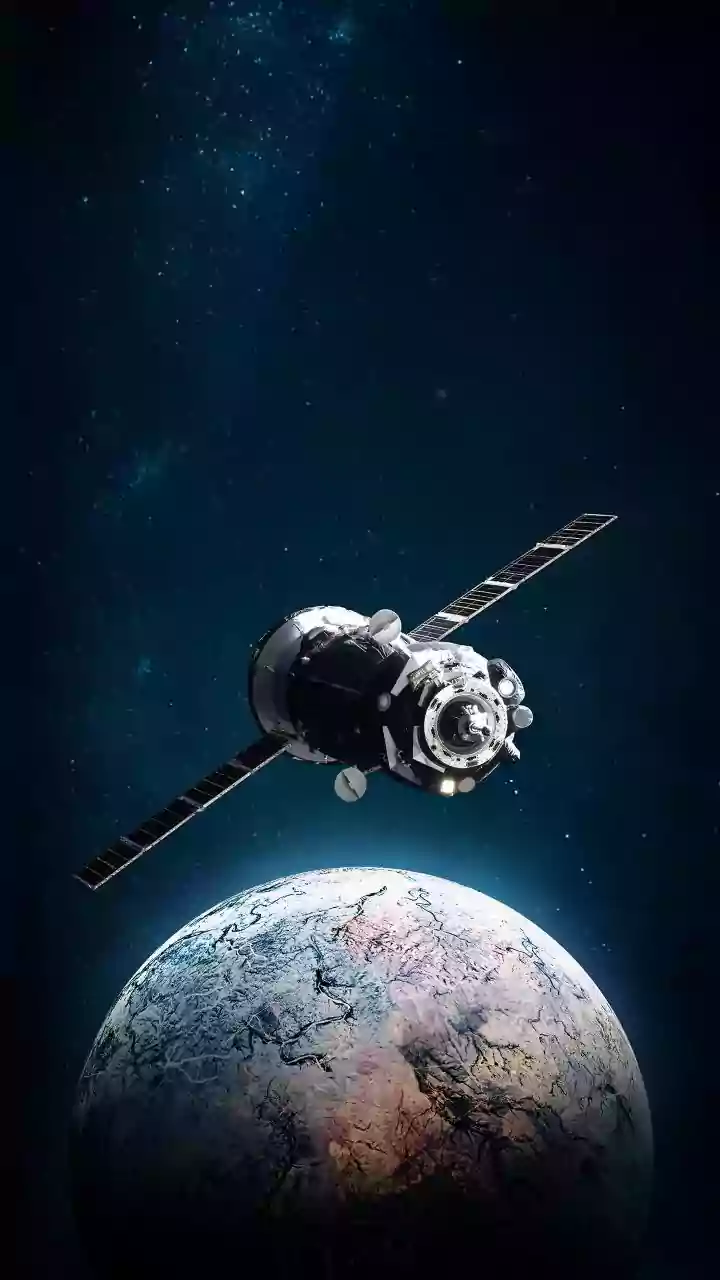
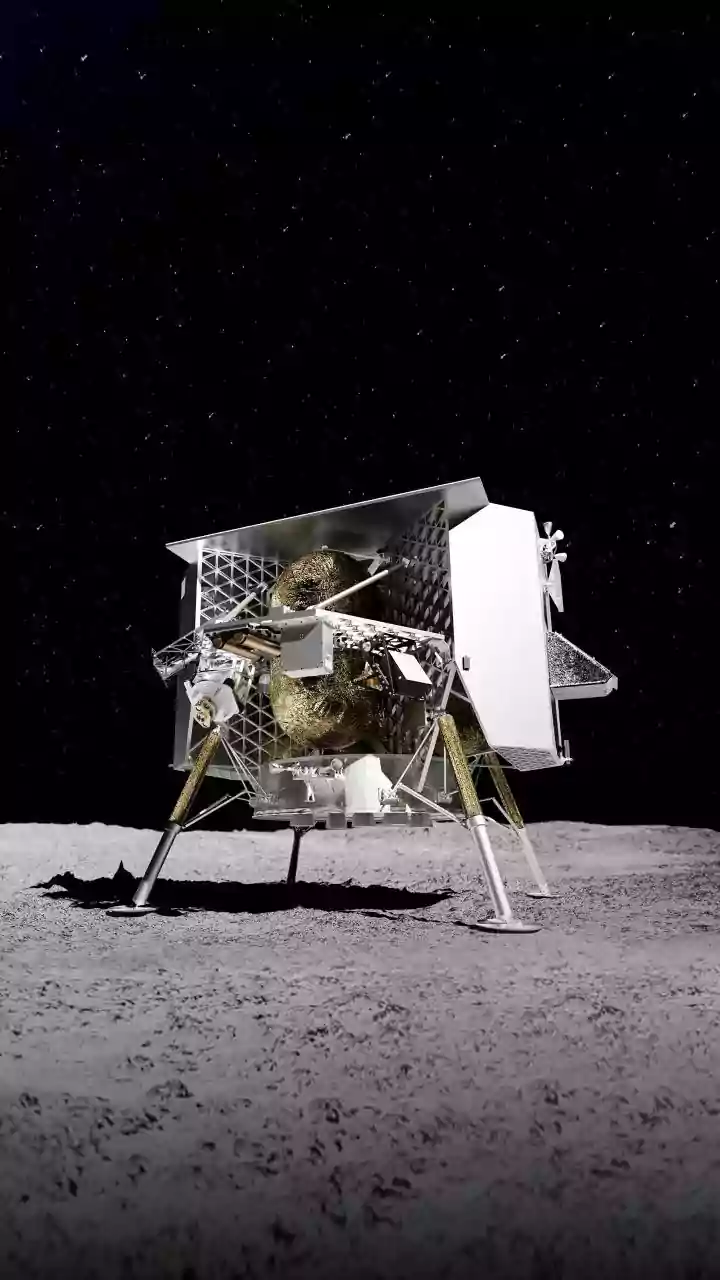
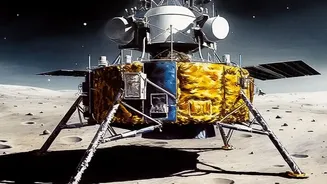
Chandrayaan-4 represents a significant leap in capability for India's space program. While Chandrayaan-3 proved ISRO's mastery of soft-landing near the challenging south pole, the new mission aims to perform that feat, collect samples, and then launch a module from the lunar surface to return them to Earth. This sample-return mission is incredibly complex, involving multiple spacecraft modules and two separate launches. The plan involves a propulsion module, a lander (descender), and an ascender that will lift off from the Moon. In orbit, it will dock with a transfer module, which will then transport the precious cargo inside a re-entry capsule for the final journey home. Successfully executing this sequence of landing, collecting, ascending, docking, and returning would place India in an elite club of nations that have brought back lunar material.
The Moon's Most Valuable Resource
The primary target for Chandrayaan-4 is the lunar south pole, a region of immense scientific interest because of its permanently shadowed craters. These craters, never touched by sunlight, are extremely cold and are believed to contain water ice. Finding and retrieving this ice is a top priority. Why? Because water is the key to a sustainable future in space. It can provide drinking water and breathable oxygen for astronauts on a future lunar base. More importantly, water (H2O) can be split into hydrogen and oxygen, the primary components of rocket fuel. This process, known as in-situ resource utilization (ISRU), could turn the Moon into a cosmic gas station, making deep-space missions to Mars and beyond more feasible and affordable by eliminating the need to launch heavy fuel from Earth.
How the Mission Will Work
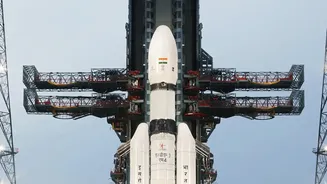
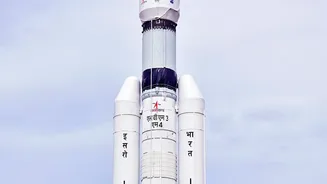
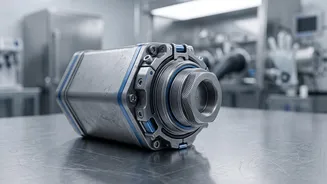
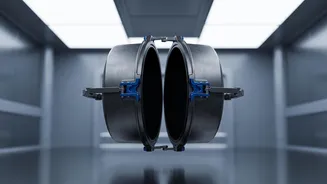
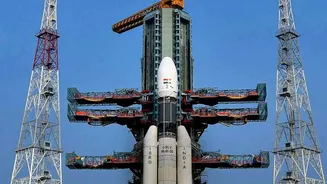
The mission architecture for Chandrayaan-4 is a sophisticated multi-stage operation. It will require two separate rocket launches from Earth. One rocket, likely a heavy-lift LVM3, will carry the lander and ascender modules, while a second rocket will carry the transfer and re-entry modules. Once on the lunar surface near the south pole, the lander will deploy a robotic arm and a drill to collect both surface and sub-surface soil samples, aiming for about two kilograms of material. These samples will be sealed in a container to protect them from contamination. At the end of the lunar day, the ascender module will fire its engine, using the lander as a launchpad to carry the samples into lunar orbit. There, it will perform a delicate automated docking manoeuvre with the waiting transfer module, another first for ISRO. The samples will be passed to the re-entry module for the trip back to Earth, culminating in a splashdown or landing at a predetermined site.
Paving the Way for Gaganyaan and Beyond
Chandrayaan-4 is more than just a scientific quest; it's a critical stepping stone for India's human spaceflight ambitions. The technologies being developed and demonstrated—such as automated rendezvous, docking in lunar orbit, and safely returning a capsule to Earth—are all essential capabilities for an eventual mission to land Indian astronauts on the Moon. By proving these systems work, ISRO is laying the technical groundwork for the Gaganyaan program's long-term goal of a crewed lunar landing, envisioned by 2040. This mission also enhances India's position as a major player in the new global space race, where nations are collaborating and competing to establish a presence on the Moon. It builds directly on the legacy of previous Chandrayaan missions, which first detected signs of water and then landed successfully to conduct on-site analysis.