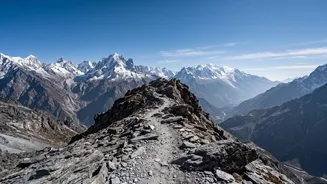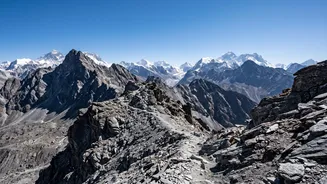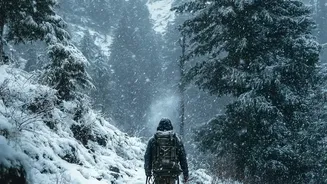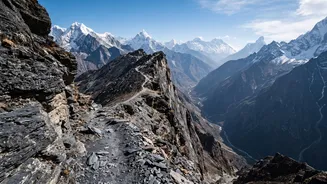



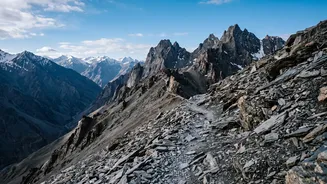
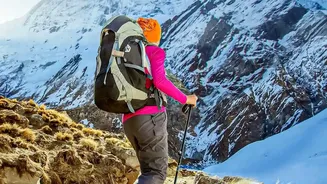
The rescue of six Indian trekkers in Nepal has cast a sharp light on the country's stringent new regulations. The incident underscores a crucial debate in the Himalayas: the balance between trekking freedom and non-negotiable mountain safety.
A Rescue and a Reckoning
Six Indian
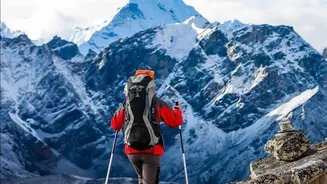
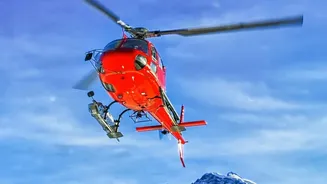
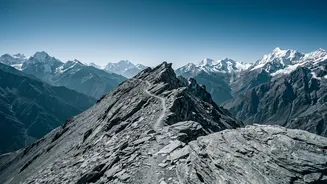
hikers were recently rescued by helicopter from the remote Upper Dolpa region after being stranded by heavy snowfall at an altitude of around 4,500 metres. The group, which included five trekkers from West Bengal and one from Andhra Pradesh, had reportedly entered the restricted area without the necessary permits and had ignored official warnings about severe weather. Following their evacuation, which cost Nepal's authorities an estimated 10 lakh INR, the trekkers were fined for their violations. Officials noted that while the maximum penalty could have been higher, they showed leniency given the group's condition after the ordeal. The incident has become a case study in the risks of unpreparedness and the consequences of disregarding Nepal's strict new rules.
Understanding the Ban on Solo Trekking
The penalties faced by the Indian trekkers are rooted in a significant policy shift by the Nepal Tourism Board. Since April 1, 2023, Nepal has effectively banned solo or 'Free Independent Trekkers' (FITs) in most of its popular trekking regions. All foreign trekkers are now required to hire a government-licensed guide for their journey. Furthermore, they must obtain a Trekkers’ Information Management System (TIMS) card through a registered trekking agency, which is responsible for ensuring compliance. This regulation applies to nearly all major routes, including the Annapurna, Manaslu, and Langtang regions, bringing an end to the era of unguided, independent exploration for many international visitors.
Why the Rules Changed
Nepali authorities have been clear that the primary driver behind these restrictions is safety. Every year, trekkers go missing or die in the Himalayas due to altitude sickness, accidents, or getting lost on remote trails. Proponents of the ban argue that having a licensed guide ensures that every group has a trained professional who is familiar with the terrain, weather patterns, and emergency procedures. The government also points to the high cost and logistical complexity of search and rescue operations, many of which were previously for solo hikers who ran into trouble. Officials believe the new system not only protects tourists but also creates valuable employment for local guides and porters, strengthening the mountain economy.
A Contentious Debate
The decision has not been without controversy. For decades, Nepal was a haven for independent-minded, budget-conscious backpackers who cherished the freedom of trekking at their own pace. Critics of the ban argue that it makes trekking in Nepal significantly more expensive, potentially pricing out a segment of tourists. They contend that experienced hikers should not be forced to hire a guide if they are capable of navigating the trails safely on their own. The debate highlights a fundamental tension in adventure tourism: how to preserve the wild, untamed spirit of the mountains while ensuring the safety of those who come to explore them.
Essential Safety Rules for Every Trekker
Regardless of regulations, the mountains demand respect. For any trekker in the Himalayas, a few rules are universal. First, acclimatisation is critical; ascend slowly and take rest days to allow your body to adjust to the altitude to avoid Acute Mountain Sickness (AMS). Second, always be prepared for sudden weather changes by dressing in layers and carrying waterproof gear. Staying hydrated and well-fed is essential for maintaining energy. Finally, even if you have a guide, carry a basic first aid kit, a map, and a reliable communication device. Having travel insurance that covers high altitude trekking and helicopter evacuation is now not just recommended, but often mandatory for obtaining permits.