






Reducing 'Heat' and Balancing the Body
In many traditional beliefs, including Ayurveda, foods are classified by their effect on the body—either 'heating' (thermogenic) or 'cooling'. Ripe mangoes are considered a “heat-producing” fruit. [1, 3, 5] Consuming them in large quantities, especially
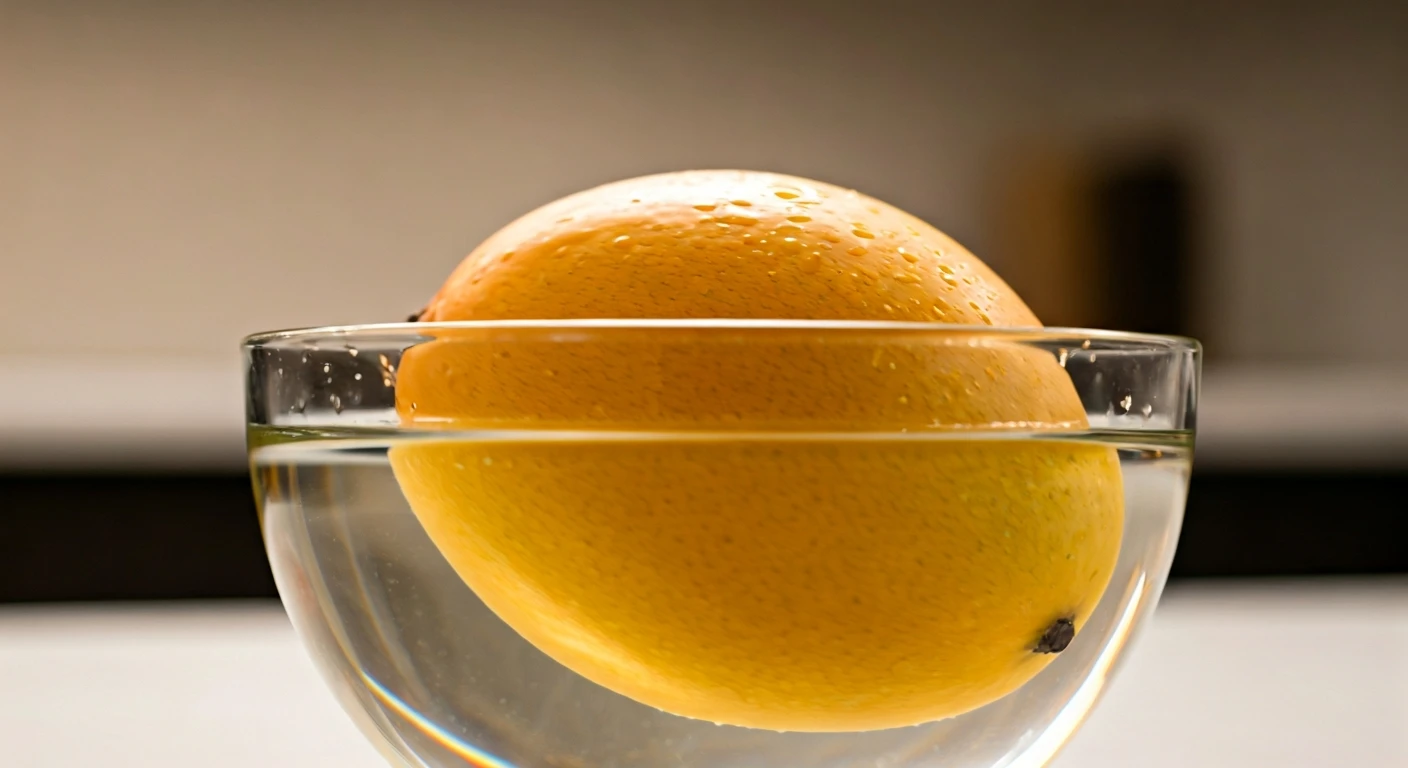
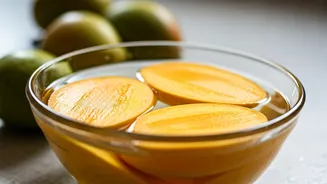
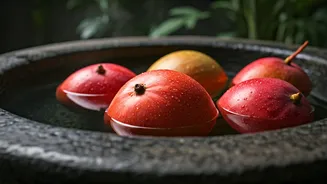
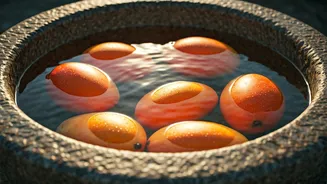
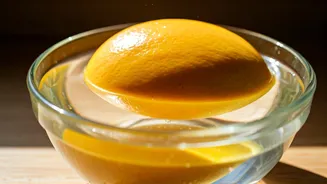
during hot weather, is believed to increase body heat, which can manifest as skin issues like acne or boils, and digestive discomfort. [3, 8, 9] The simple act of soaking mangoes in water for 30 minutes to a couple of hours is thought to significantly reduce this thermogenic property. [4, 8, 12] This process helps to dissipate the excess heat from the fruit, making it more balanced and gentler on the system, preventing the potential side effects of overindulgence. [4, 9]
Removing an Anti-Nutrient Called Phytic Acid
One of the most significant scientific reasons for soaking mangoes involves a compound called phytic acid. [6, 8] Phytic acid is a natural substance found in many plant-based foods, including fruits, vegetables, and nuts. [7, 9] It is often referred to as an 'anti-nutrient' because it can bind to essential minerals like iron, zinc, and calcium in our gut, hindering their absorption. [2, 8] While the amount in mangoes isn't excessively high, soaking the fruit in water helps to break down and leach out some of this phytic acid. [4, 7] This simple step ensures that your body can absorb more of the valuable nutrients packed inside the delicious fruit. [2]
Washing Away Dirt, Pesticides, and Sap
Beyond the biochemical benefits, soaking is a highly effective cleaning method. Mangoes travel a long way from the farm to your kitchen, accumulating dust, dirt, and potentially harmful pesticide residues on their skin. [1, 14] A thorough soak for 20-30 minutes does a much better job of loosening these contaminants than a quick rinse under the tap. [1] Another crucial reason is to remove the milky, latex-like sap that can ooze from the stem. [1] This sap contains a compound called urushiol, which can cause skin irritation or allergic reactions in sensitive individuals, sometimes referred to as 'mango mouth'. [11] Soaking helps dissolve and wash away this sticky residue, making the fruit safer and more pleasant to handle and eat. [3, 5]
Enhancing Taste, Texture, and Juiciness
Finally, soaking a mango can actually make it taste better. During storage and transport, mangoes can lose some of their moisture content. [4] Immersing them in water helps rehydrate the fruit, resulting in a plumper, juicier pulp. [4, 5] The cooling effect of the water also makes the fruit more refreshing to eat, especially on a scorching summer day. [1, 2] Many people believe that soaking enhances the mango's natural sweetness and improves its overall texture, transforming a great fruit into a perfect one. [5] This easy trick ensures every bite is as succulent and flavourful as possible.