






The Science of the Struggle
The core of the problem is not the rain itself, but the humidity it brings. During the monsoon, the air becomes saturated with water vapour, often exceeding 80-90% humidity. For clothes to dry, the water in the fabric must evaporate into the surrounding
air. When the air is already full of moisture, this process slows down dramatically. Clothes that remain damp for more than a few hours become a breeding ground for bacteria and mildew, which are the true culprits behind that distinct musty odour. A single load of laundry can release up to two litres of water into your home, further increasing indoor humidity and worsening the problem.
A Smarter Washing Strategy
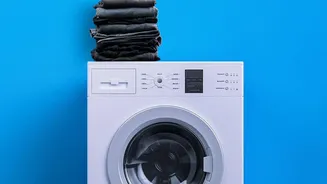
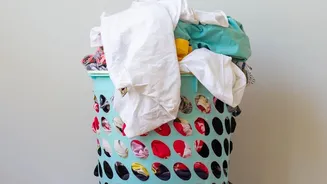
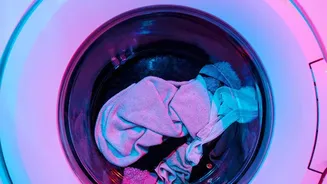
Fighting monsoon laundry woes begins before your clothes even hit the water. First, avoid letting damp or sweaty clothes pile up in the laundry basket, as this is an open invitation for mould. Wash smaller, more frequent loads instead of one large weekly load. Overloading the machine prevents proper cleaning and rinsing, trapping detergent and dirt that feed odour-causing bacteria. For an extra anti-odour boost, consider adding half a cup of white vinegar to the fabric softener compartment during the rinse cycle. Vinegar acts as a natural antibacterial agent and helps dissolve any leftover detergent residue, leaving clothes softer and fresher. Some also recommend using antibacterial detergents specifically designed for humid conditions.
Mastering the Indoor Drying Game
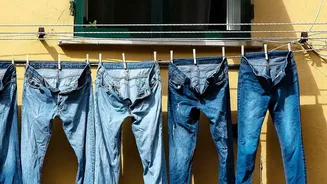
Since drying outdoors is rarely an option, mastering indoor drying is key. Your washing machine's spin cycle is your best friend; use the highest spin setting your fabrics can tolerate, and even consider running an extra spin cycle to wring out as much excess water as possible before hanging. When hanging clothes, space is crucial. Use a sturdy drying rack and ensure no two items are touching. Hanging clothes on individual hangers can also improve air circulation. Position the rack in a well-ventilated area, like near a window or in a larger room, not a cramped, enclosed space. Strategically placing a fan to blow air across the clothes—not directly at them—will significantly speed up evaporation. Even running an air conditioner can help, as it actively removes moisture from the air.
The Final Touches for Freshness
Even with the best drying practices, some items might still feel slightly damp. This is where a hot iron can be a secret weapon. Ironing clothes that are almost dry removes the last traces of residual moisture and kills off any lingering bacteria, effectively eliminating that musty smell. When storing clothes, ensure your wardrobe is not damp. Avoid overpacking closets to allow air to circulate. Placing natural moisture absorbers like silica gel packets, camphor balls, or even a small pouch of chalk or baking soda inside your wardrobe can help keep the environment dry and your clothes smelling fresh.
When All Else Fails: Advanced Solutions
For those living in extremely humid areas or who consistently struggle with laundry, investing in a dehumidifier can be a game-changer. A dehumidifier actively pulls moisture from the air, drastically reducing indoor humidity levels and allowing clothes to dry much faster while preventing the growth of mould and mildew throughout the home. While it represents an initial investment, it solves the root cause of the problem by creating a drier indoor environment, making it one of the most effective long-term solutions for conquering monsoon laundry for good.