


Gajar (Carrot)
Winter carrots, especially the deep red variety found in North India, are a world away from their year-round counterparts. They are sweeter, juicier, and have a dense, satisfying crunch that makes them incredibly versatile. This sweetness is precisely
why they are the star of 'gajar ka halwa', a beloved winter dessert where grated carrots are slow-cooked with milk, ghee, and sugar. Beyond the halwa, their robust flavour shines in simple stir-fries (sabzis), adds sweetness to pulao, and provides the tangy base for 'kanji', a fermented probiotic drink. Their inherent sweetness means they can be cooked with minimal spice, allowing their natural, earthy flavour to come through.
Mooli (Radish)
Known for its sharp, peppery flavour and satisfyingly crisp texture, the white radish is a winter staple across India. Mooli is low in calories and high in fibre and vitamin C, making it a healthy addition to the heavier meals of the season. Its most famous application is arguably the 'mooli ka paratha', where grated radish is spiced and stuffed into a flatbread, best served hot with a dollop of butter or yogurt. But its uses are many; it can be grated into salads for a spicy crunch, added to sambar in the South, or pickled with carrots to create a tangy condiment that lasts for weeks. Even its leaves are used, often cooked into a simple, flavourful sabzi.
Shakarkandi (Sweet Potato)
Sweet potato, with its creamy texture and earthy sweetness, is a comforting winter favourite. In many parts of North India, it's a popular street food, roasted over coals until soft and smoky, then cubed and tossed with chaat masala and lemon juice to make 'shakarkandi chaat'. This simple preparation perfectly balances its natural sweetness with tangy and spicy notes. At home, it’s incredibly versatile. It can be boiled and mashed into tikkis or cutlets, added to curries for a sweet and filling element, or even used to make healthier versions of desserts like halwa. Its fibrous nature and slow-release energy make it a nourishing choice for the colder months.
Chukandar (Beetroot)
With its deep, vibrant colour and distinctively earthy flavour, beetroot is a nutritional powerhouse that thrives in winter soil. It can be an acquired taste, but when prepared well, it’s a delicious addition to the Indian table. In South India, it's often made into a 'thoran' or 'poriyal', a stir-fry with grated coconut, mustard seeds, and curry leaves that balances its earthiness. In the North, it's commonly used in salads, made into colourful parathas, or added to cutlets and patties. Its slight sweetness also lends itself to dishes like beetroot halwa or a tangy pachadi (yogurt-based side dish).
Shalgam (Turnip)
The humble turnip is a winter workhorse, known for its subtly sweet and slightly peppery taste. Often overlooked, this root vegetable is excellent at absorbing the flavours of the spices it's cooked with, making it perfect for hearty winter curries and stews. A popular North Indian preparation is 'shalgam ki sabzi', where turnips are cooked with a flavourful onion-tomato masala until tender. Some recipes call for mashing the cooked turnips to create a 'bhartha', similar to how aubergines are prepared. They pair beautifully with other winter vegetables like carrots and peas in mixed vegetable dishes and add a unique flavour to pickles.
Sarson ka Saag (Mustard Greens)
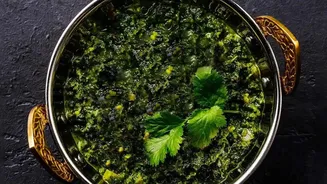
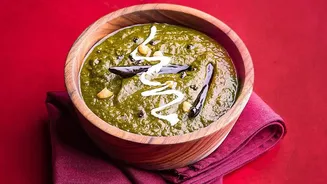
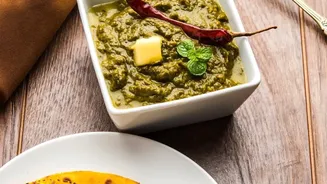
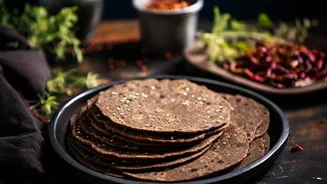
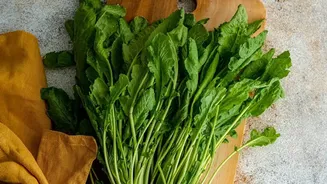
No discussion of Indian winter food is complete without mentioning Sarson ka Saag. While not a root vegetable, these leafy greens are the epitome of earthy, robust winter flavour. Hailing from Punjab, this dish involves slow-cooking pungent mustard greens (sarson), often with spinach (palak) and bathua (chenopodium) to balance the flavours, until they break down into a creamy, rustic mash. The saag is thickened with maize flour (makki ka atta) and finished with a generous tempering of ghee, garlic, and ginger. It is traditionally served with makki ki roti (cornmeal flatbread) and a spoonful of white butter, making it the ultimate North Indian winter comfort meal.
Hara Chana (Green Chickpeas)
Available for only a short period during the winter, hara chana, also known as chholia, is a true seasonal delicacy. These are young, tender chickpeas, harvested before they mature and dry. Unlike their dried counterparts, they are soft, slightly sweet, and can even be eaten raw. They are often enjoyed simply roasted or steamed as a snack. In the kitchen, they are used much like green peas, adding a nutty bite and fresh flavour to pulaos, curries, and stir-fries. A popular preparation is to make a simple chaat with chopped onions, tomatoes, and spices, or to cook them into a curry like 'nimona', a green gravy dish popular in Uttar Pradesh.