





The Allure and the Risk
From Delhi's chaat to Mumbai's vada pav, street food is the heart of India's culinary culture. It’s where you find authentic flavours and connect with the city's pulse. [4] However, this vibrant world comes with an inherent risk: foodborne illness. [15]
Unhygienic preparation and storage can lead to contamination with bacteria like E. coli, Salmonella, and Listeria, causing everything from an upset stomach to severe infections. [10, 21] A recent incident in Maharashtra, where 88 people were hospitalised after eating at a local outlet, serves as a stark reminder of these dangers. [18] But this doesn't mean you have to give up on your favourite snacks. It just means you need to be smarter about where you get them.
The Golden Rule: Observe Before You Order
The single most powerful tool you have is observation. Before you even think about ordering, take a minute to assess the situation. One of the most reliable indicators of a good stall is a long queue, especially one with families and locals. [3, 4] A high turnover of customers means the food is likely fresh and hasn't been sitting around for hours. [4] This simple act of 'reading the crowd' is often the first and best step in choosing a safe place to eat.
Your Hygiene Checklist: Key Areas to Inspect
Once a stall has passed the 'busy' test, it's time for a closer look. The Food Safety and Standards Authority of India (FSSAI) has guidelines for vendors, but enforcement can be inconsistent. [6, 12] Your eyes are the next line of defence. First, look at the vendor's hands. Are they clean? Are they using gloves, and importantly, are they changing them after handling money? [5, 17] Cross-contamination between money and food is a common issue. [7] Next, inspect the stall itself. Are the cutting boards, knives, and counters clean? [7, 11] Is the surrounding area free of garbage and pests? Waste attracts flies and rodents, which are major carriers of disease. [7] A vendor who takes pride in a clean workspace is more likely to be careful with their food.
The Water Question: A Crucial Detail
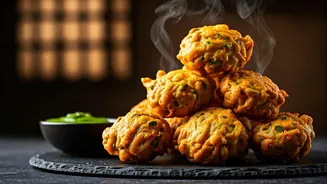
Contaminated water is one of the biggest culprits behind 'Delhi belly' and other gastrointestinal issues. [7, 20] Pay close attention to the water the vendor is using. Is it for drinking, washing ingredients, or making chutneys and pani? For items like pani puri, a vendor using sealed, bottled water is a huge green flag. [4, 8] Be wary of pre-cut fruits and salads, as they have likely been washed in tap water. [3, 8] It’s also wise to avoid ice in your drinks unless you're at a reputable establishment where you can be confident it was made from purified water. [2, 3] Hot, cooked foods are generally a safer bet, as high temperatures kill most harmful bacteria. [3, 4] A piping hot samosa or freshly grilled kebab is often a better choice than a cold snack. [3, 10]
Decoding the Ingredients
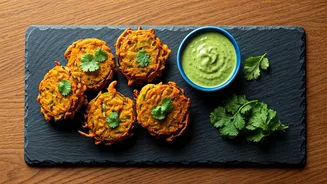
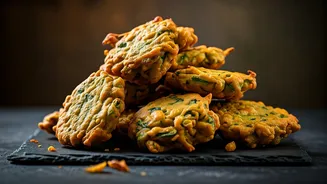
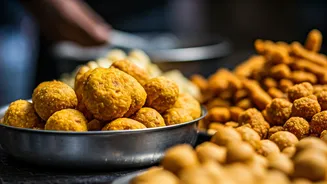
The quality of the raw materials matters immensely. Do the vegetables look fresh and crisp, or are they wilted and sad? Look at the oil used for frying. Is it light and clear, or dark and sludgy? [8] Oil that has been reused too many times can contain harmful substances. [8] While it's common for vendors to re-fry items to heat them up quickly, the oil it's going into should still look relatively clean. [2] If you're eating meat, ensure it is cooked thoroughly right in front of you. Undercooked meat is a major source of bacteria like Salmonella and Listeria. [10] When in doubt, sticking to vegetarian options can sometimes be a safer choice. [2]