






The Science of Light and Your Body Clock
Our bodies run on an internal 24-hour clock known as the circadian rhythm, which tells us when to feel alert and when to feel sleepy. This rhythm is powerfully influenced by light. When darkness falls, a gland in the brain begins to produce melatonin,
a hormone that signals it is time to rest. This process is crucial for initiating and maintaining sleep, particularly the restorative deep sleep phase. However, exposure to bright light in the evening—especially the blue light emitted by energy-efficient LEDs and electronic screens—can suppress melatonin production. This tricks the brain into thinking it's still daytime, delaying sleepiness and disrupting the quality of rest we get.
The Unique Challenge for Shift Workers
Shift workers face a fundamental conflict between their work schedules and their internal clocks. When finishing a night shift as the sun rises, their bodies receive strong signals to be awake, just as they need to sleep. Conversely, trying to rest during the day means fighting against the body's natural drive to be alert. This chronic misalignment can lead to Shift Work Sleep Disorder (SWSD), characterized by insomnia, excessive sleepiness, and poor concentration. Research has shown that artificial light exposure before trying to sleep can significantly reduce melatonin levels, making it even harder for shift workers to get the deep, restorative sleep they need to recover.
How Dim, Warm Light Promotes Deep Sleep
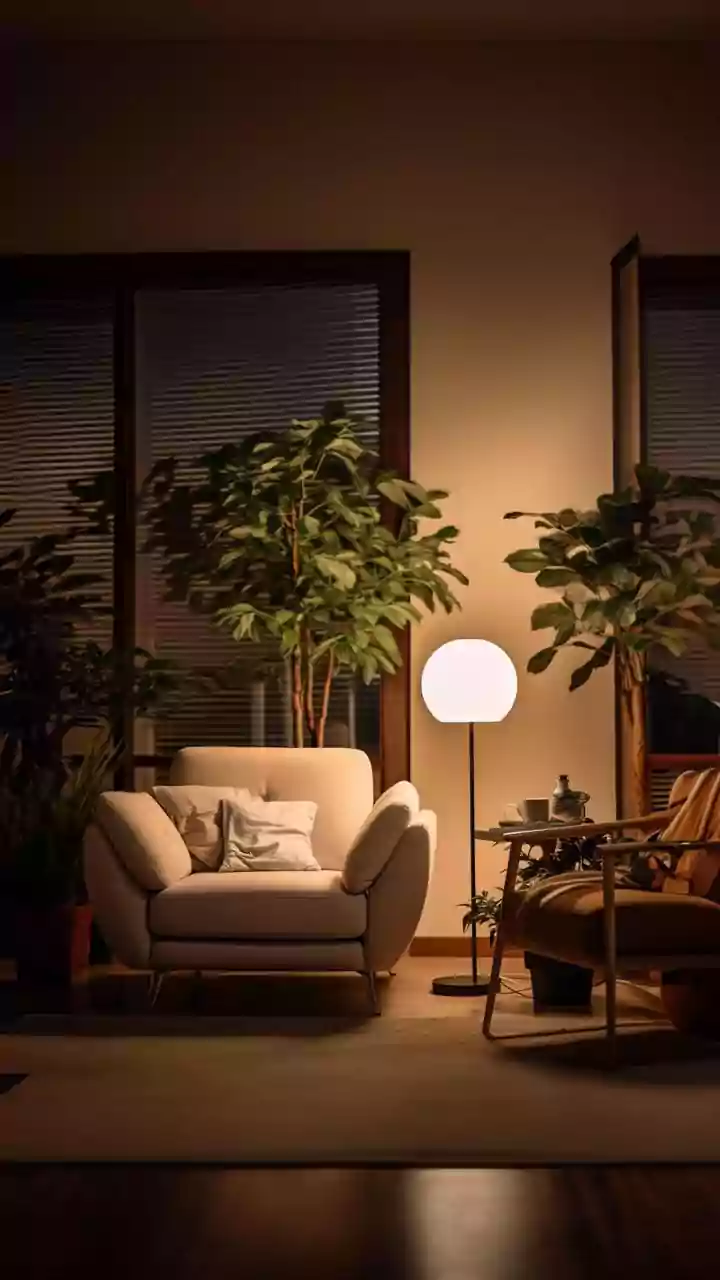
The solution lies in strategically managing your light exposure to mimic the natural sunset, even if your 'evening' begins at 7 a.m. By dimming the lights in your home in the one to two hours before you plan to sleep, you send a crucial signal to your brain to start producing melatonin. The colour of the light matters as well. Research indicates that warmer, longer-wavelength light—like red, orange, or amber tones—has a minimal effect on melatonin suppression compared to cooler, blue-wavelength light. Creating a low-light, warm-hued environment helps your body wind down naturally, facilitating a smoother transition into sleep and increasing the likelihood of achieving the deep, slow-wave sleep cycles that are vital for physical and mental restoration.
Practical Steps for a Better Sleep Environment
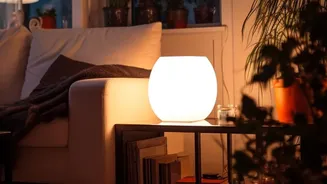
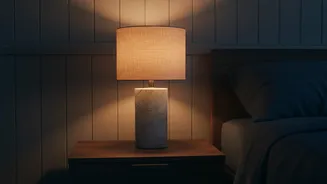
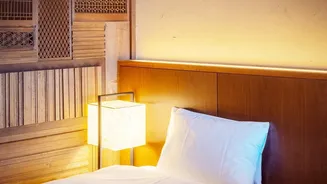
Creating a sleep-promoting environment doesn't have to be complicated. If you're coming off a night shift, wear dark sunglasses for the commute home to block out daylight. Once inside, draw blackout curtains to make your bedroom as dark as possible. In the hours before you get into bed, avoid bright overhead lights. Instead, use dim lamps with warm-toned bulbs to create a calm, relaxing atmosphere. It's also wise to limit screen time from phones, tablets, and televisions, as these are major sources of disruptive blue light. If you must use screens, enable 'night mode' settings that shift the display to warmer colours. Some shift workers also find blue-light-blocking glasses helpful during their wind-down period.
Building a Consistent Routine
Beyond light management, consistency is key. Whenever possible, try to stick to the same sleep-wake schedule, even on your days off. This helps to stabilize your body clock over time. A relaxing pre-sleep routine can also signal that it's time to rest. This could include taking a warm shower, practicing gentle stretching, or meditating in a dimly lit room. Avoid caffeine in the latter half of your shift and try to keep your bedroom cool and quiet. While it might not always be perfect, creating a consistent pattern of dark, quiet, and cool conditions for sleep gives your body the best possible chance to adapt and recover effectively.