

The Lithium Bottleneck in India's EV Dream
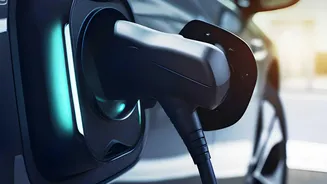
For years, lithium-ion batteries have been the undisputed king of the electric vehicle world. They pack a lot of power into a small space, giving cars a desirable long range. The problem? These batteries are expensive, accounting for up to 40% of an EV's
total cost. Furthermore, the core ingredients—lithium and cobalt—are scarce, geographically concentrated, and subject to volatile pricing and geopolitical tensions. For a country like India, which imports the vast majority of its lithium-ion cells, this dependence creates a significant economic and strategic vulnerability. It keeps the prices of entry-level electric cars just out of reach for the mass market, slowing down the nation's ambitious green mobility goals.
Enter Sodium-Ion: The Salt-Powered Alternative
Sodium-ion technology operates on a principle similar to its lithium-ion cousin, moving ions between a cathode and an anode to store and release energy. The crucial difference lies in the core element: sodium. It is one of the most abundant and widely distributed elements on Earth, easily sourced from rock salt or even seawater. This incredible abundance is the technology's primary advantage, promising a future free from the supply chain anxieties and high costs associated with lithium. By replacing scarce imported metals with a common, domestically available resource, sodium-ion batteries align perfectly with India's 'Make in India' ambitions.
The Undeniable Cost Advantage
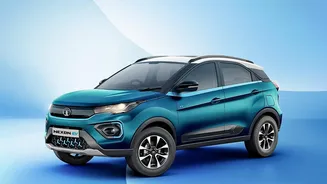
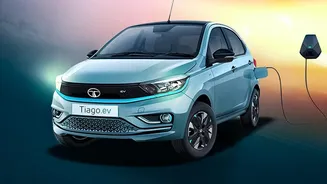
The main attraction of sodium-ion batteries is their potential for drastic cost reduction. With raw materials that are significantly cheaper and more accessible, manufacturers believe that at scale, sodium-ion battery packs could be 20-30% cheaper to produce than their lithium-ion counterparts. This isn't a distant dream; some analysts predict the production cost could fall as low as $40 per kWh by the end of the decade. For the Indian consumer, this translates directly into more affordable electric cars. A lower battery cost is the single most effective way to bring down the sticker price of entry-level EVs, potentially making them competitive with petrol and diesel cars.
Weighing the Performance Trade-Offs
Of course, this cost advantage comes with a trade-off: energy density. Currently, sodium-ion batteries store less energy per kilogram than most lithium-ion chemistries. This means a sodium-ion powered car might have a shorter range—perhaps up to 350 km, compared to the 400-600 km common in premium lithium-ion EVs. However, for the vast majority of Indian commuters whose daily travel is well within this range, this is a more than acceptable compromise, especially in a second family car or a vehicle used primarily for city driving. Additionally, sodium-ion batteries offer superior safety, being less prone to thermal runaway (fires), and perform better in a wider range of temperatures, a key consideration for India's diverse climate.
The Indian Players in the Sodium-Ion Race
India is not just watching from the sidelines; several domestic companies and institutions are actively developing this technology. Reliance Industries made a significant move by acquiring UK-based sodium-ion specialist Faradion, signaling a strong strategic pivot. Startups like IndiEnergy, founded by IIT Roorkee alumni, are making headlines for developing battery components from agricultural waste, creating a uniquely sustainable, circular economy model. Other players like GODI, Rechargion, and Uneverse are also making strides in developing and commercializing the technology for Indian conditions. The government is also showing interest, with state-owned NTPC recently inviting proposals for pilot projects to test sodium-ion battery storage systems.
A Realistic Timeline for Cheaper EVs
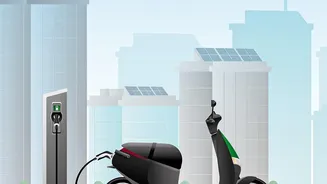
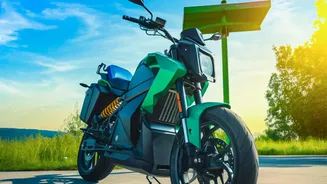
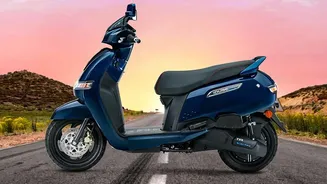
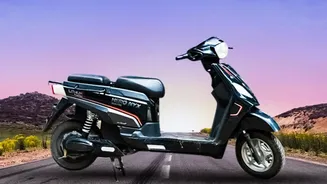
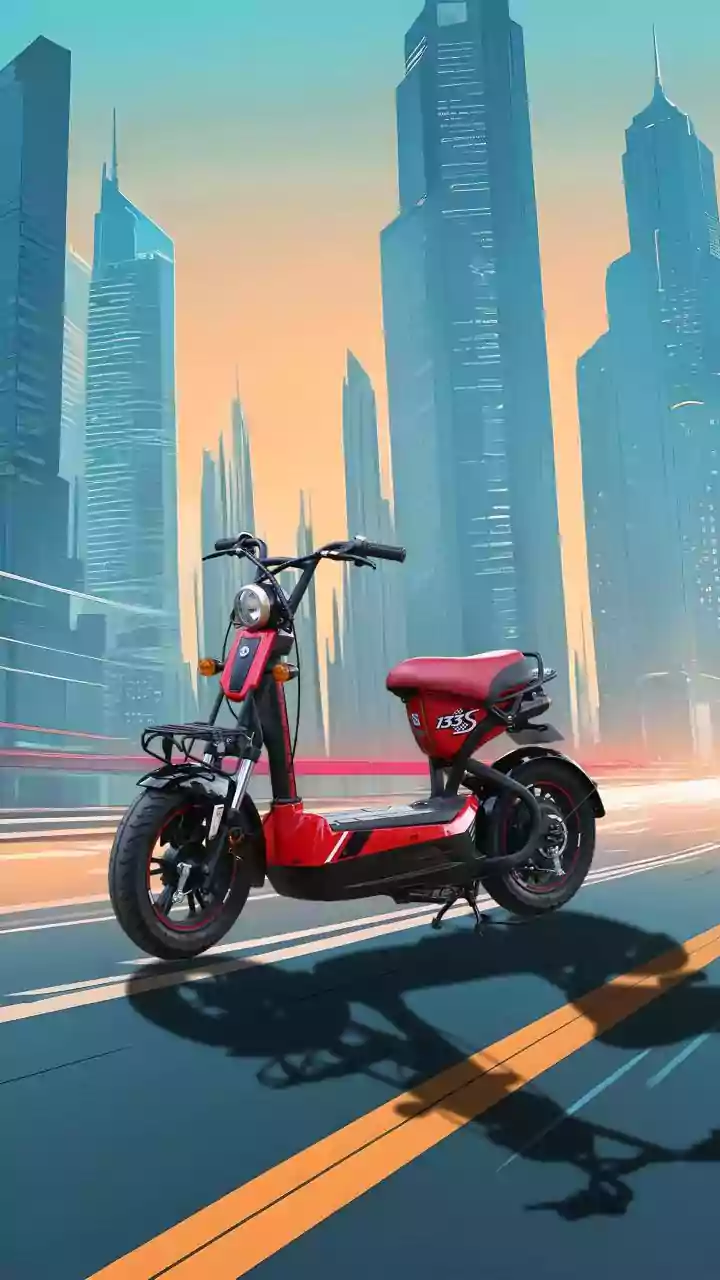
While development is happening fast, consumers shouldn't expect to see sodium-ion EVs in showrooms tomorrow. Many of the technologies are still moving from the lab to pilot projects. Experts believe the initial applications will be in stationary energy storage and in two and three-wheelers, where the energy density trade-off is less critical. Commercial rollout in entry-level passenger cars is expected to gain momentum towards 2027 as manufacturing scales up and costs come down. The key will be building out the manufacturing infrastructure to compete with the already established lithium-ion ecosystem.