


Why Your Gut Dislikes the Monsoon
The rainy season creates a perfect storm for digestive issues. The high humidity in the atmosphere can slow down our overall metabolism and digestive processes. This sluggishness means food sits longer in the gut, often leading to feelings of heaviness
and bloating. Furthermore, the damp environment is an ideal breeding ground for bacteria and other microbes. This increases the risk of contamination in food and water, making stomach infections, food poisoning, and diarrhoea more common during these months. Our dietary habits also tend to shift. Cravings for fried, oily, and spicy comfort foods like pakoras and samosas increase, which can trigger acidity and indigestion, further burdening an already sensitive system.
Probiotics: Your Gut's Best Friend
To counter these seasonal challenges, the solution lies in balancing your gut microbiome. Your gut is home to trillions of microorganisms, including vast communities of beneficial bacteria. These 'friendly' bacteria are crucial for breaking down food, absorbing nutrients, and even supporting your immune system. Probiotics are live, beneficial bacteria, identical to those naturally found in your gut. When you consume probiotic-rich foods, you are essentially reinforcing your internal army of good microbes. This helps restore balance, push out harmful bacteria, improve digestion, and strengthen your gut's resilience against common monsoon infections.
The Power of Traditional Indian Probiotics
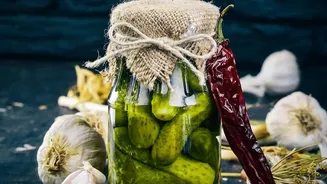
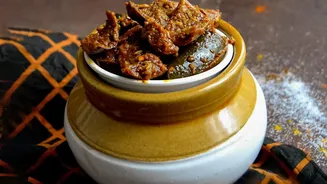
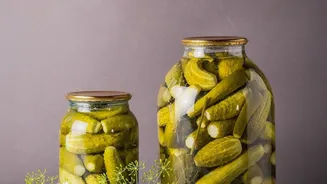
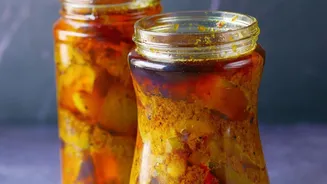
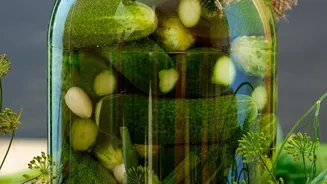
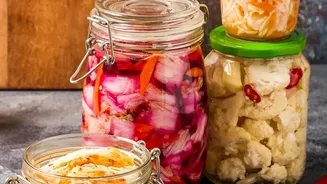
Long before probiotics became available as supplements, Indian kitchens mastered the art of fermentation to create foods naturally rich in these beneficial microbes. These traditional options are not only effective but also accessible and affordable. The most prominent among these is homemade Dahi (curd). Freshly set curd is packed with live cultures like Lactobacillus which directly support gut health. Buttermilk, or Chaas, is another excellent choice. It offers the same probiotic benefits as curd but in a lighter, more hydrating form that can soothe the digestive tract and ease bloating. Other powerful traditional probiotics include Kanji, a fermented drink made from black carrots and mustard seeds, and the fermented batters used for Idli and Dosa. Even naturally fermented pickles (made without vinegar) contain beneficial wild lactobacillus strains.
Simple Ways to Boost Your Probiotic Intake
Incorporating these gut-friendly foods into your daily diet is simpler than you might think. The key is consistency. Aim to include at least one serving of a probiotic food in your meals each day. Start your day with idli or dosa a few times a week. Add a small bowl of fresh, homemade dahi to your lunch; it helps in the digestion of a heavier meal. A glass of spiced chaas in the afternoon can work wonders for post-meal sluggishness and hydration. You can also use curd as a base for raita, adding cucumber or mint for a cooling effect. It's crucial to opt for homemade or fresh, plain versions. Many commercially packaged yogurts and drinks are heat-treated, which kills the live cultures, and are often loaded with sugar that feeds the very 'bad' bacteria you're trying to manage.