


Why Texture is the Unsung Hero
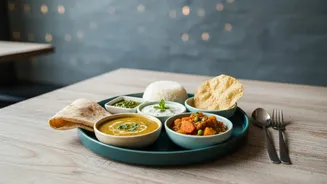
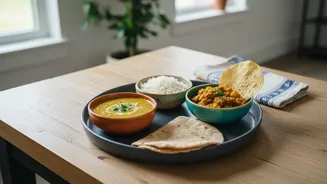
We often talk about taste and aroma, but texture is the crucial third pillar of a satisfying meal. It’s what chefs refer to as “mouthfeel”—the way a food feels in your mouth as you eat it. Think about the crisp snap of a fresh poppadum, the velvety smoothness
of a dal makhani, or the satisfying chew of a perfectly cooked naan. These sensations—crispness, creaminess, chewiness—are just as important as the salty, sweet, or sour notes. Texture provides contrast and satisfaction; a dish that is all one texture can feel boring, while a mix of crunchy and soft, or creamy and firm, feels exciting and complete. When an ingredient is missing, you’re not just losing its flavour, you’re losing its textural contribution to the dish.
Think Like a Chef: Deconstruct the Ingredient
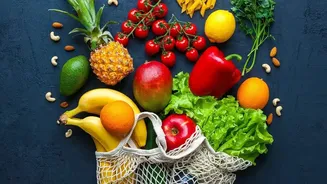
The first step to a successful substitution is to ask: what was this ingredient actually doing in the recipe? Each component has a specific function. Was it providing moisture, like yogurt in a marinade? Was it adding bulk and a hearty chew, like paneer in a curry? Or was it meant to deliver a final, crunchy flourish, like fried onions on a biryani? Once you understand the ingredient's role, you can find a replacement that performs a similar function. Don't just swap a vegetable for a vegetable; consider its properties. Tender spinach behaves very differently from hardy kale, which requires more cooking time. Thinking about an ingredient's purpose is the key to swapping with confidence.
The Creaminess and Moisture Factor
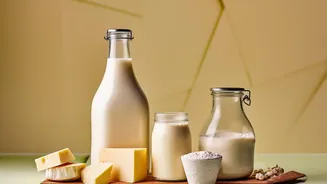
Many dishes, particularly in Indian cuisine, rely on a creamy base to balance spices and provide a rich mouthfeel. If a recipe calls for full-fat cream, you can often substitute it with thick Greek yogurt or even a paste made from soaked and blended cashews for a similar velvety result. Don't have coconut milk for a South Indian curry? Blended coconut flakes with a bit of warm water can work in a pinch. Ran out of mayonnaise for a sandwich? A mashed avocado provides a similar fatty creaminess. The key is to match the fat and moisture content, which are the building blocks of a creamy texture.
Mastering the Crunch and Crisp
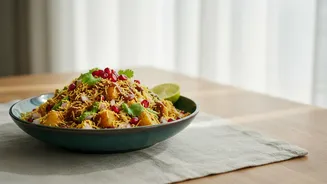
Crunch is an incredibly satisfying texture. Studies have even shown that the sound of a crunch makes us perceive food as fresher and more appealing. If your salad recipe calls for croutons you don't have, toasted nuts or roasted chickpeas can provide that same delightful crunch. Need a crispy topping for a baked dish but have no breadcrumbs? Crushed papad or even some savoury biscuits will do the trick. The goal is to find something dry and firm that will contrast with the softer elements of the dish. The textural opposition is what makes the dish memorable.
Finding the Right 'Bite' or 'Chew'
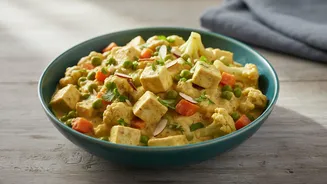
For vegetarian dishes, finding ingredients with a satisfying, meaty 'bite' is crucial. When substituting proteins, think about their density and how they hold up to cooking. Extra-firm tofu is a classic substitute for paneer because it has a similar neutral flavour and firm texture that absorbs marinades well. For a recipe that uses minced meat, lentils or finely chopped mushrooms can provide a similar hearty and earthy base. Pulled jackfruit is an excellent stand-in for pulled pork or chicken because it shreds in a similar way and soaks up sauces beautifully. The goal is to replace the chewiness and substance that the original ingredient was meant to provide.