



Moving Beyond the Showroom
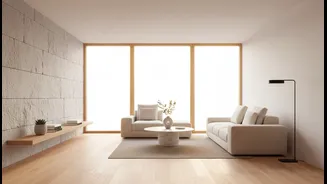
The minimalist aesthetic, with its high-gloss kitchens and sharp, geometric furniture, long dominated interior design. It promised a clean, uncluttered life. Yet, for many, this style began to feel less like a serene sanctuary and more like a sterile
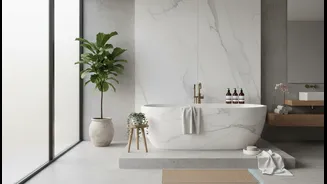
showroom—cold, hard, and impersonal. The psychological effect of our surroundings is profound. Cool tones and hard surfaces can create a crisp, airy feel, but an overabundance may feel detached or unwelcoming. The growing desire for homes that feel like a comforting embrace is driving a significant shift. People are looking to create spaces that support emotional well-being, reduce stress, and offer a genuine escape from the outside world. This has paved the way for a warmer, more tactile approach to design.
The Timeless Warmth of Wood
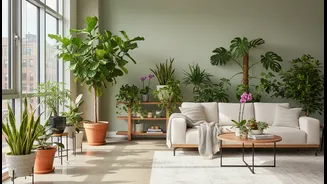
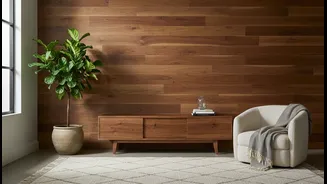
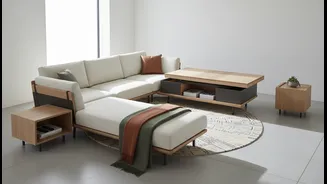
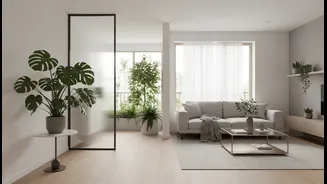
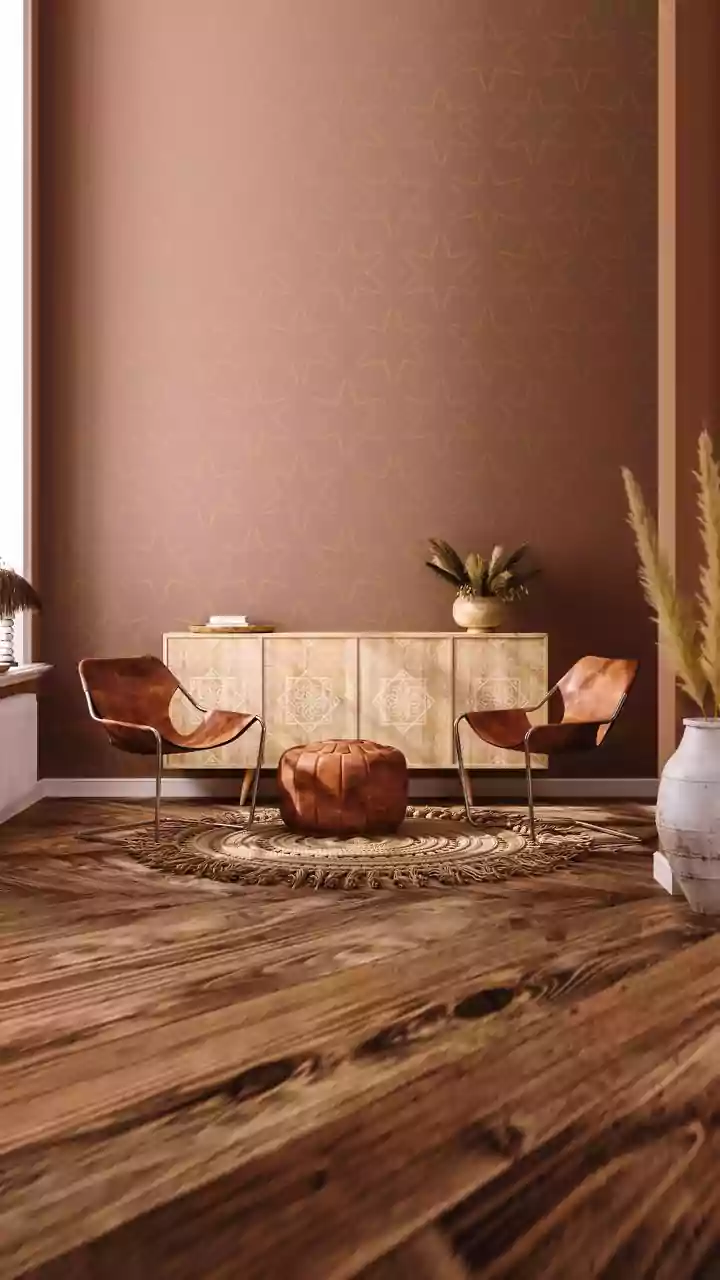
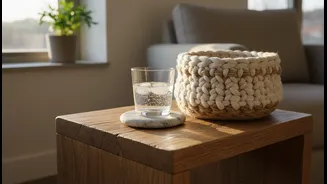
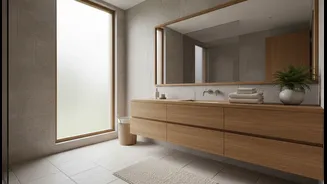
Wood is at the forefront of this return to nature. Its inherent warmth, visible grain, and natural texture make it a powerful antidote to cold, flat surfaces. Current trends are moving away from light, flat-pack finishes and embracing richer, deeper tones like teak, walnut, and sheesham, materials celebrated in Indian craftsmanship. This trend is part of a larger movement known as biophilic design, which seeks to connect our indoor spaces with the natural world. Incorporating natural materials like wood has been shown to improve well-being and create a calming atmosphere. A solid wood dining table, a carved headboard, or even smaller accents like wooden bowls and trays can ground a room, making it feel more authentic and permanent.
The Soft Touch of Linen
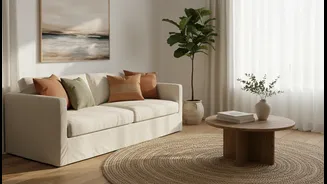
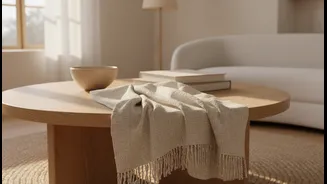
Just as wood replaces glossy plastic and metal, natural textiles are replacing stiff, synthetic fabrics. Linen, in particular, is having a major moment. Its appeal lies in its beautiful texture and effortless elegance. Unlike slick, shiny materials, linen has a soft, matte finish that diffuses light and adds a layer of visual softness to a room. It's also incredibly versatile. Think flowing linen curtains that catch the breeze, a comfortable linen sofa, or layered bedding that feels both luxurious and lived-in. For the Indian climate, linen’s breathability is a significant advantage, making it a practical and stylish choice for upholstery, cushions, and throws. Pairing these soft textiles with harder materials like wood or stone creates a beautiful, balanced contrast.
The Gentle Power of Curves
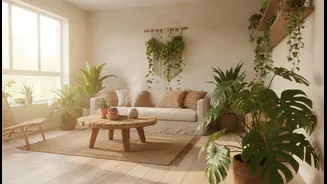
The sharp angles and boxy shapes that defined modern furniture are giving way to softer, rounded forms. Curved sofas, circular coffee tables, arched mirrors, and chairs with gentle slopes are becoming increasingly popular. These organic shapes break up the monotony of straight lines, creating a more relaxed and dynamic flow in a room. From a psychological perspective, curves are perceived as more welcoming and approachable. A round dining table, for example, encourages conversation by allowing everyone to face each other. In smaller spaces, curved furniture can be particularly effective, as the absence of sharp corners makes it easier to navigate and can make a room feel more spacious and open.
Creating Your Comfortable Space
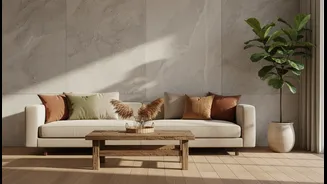
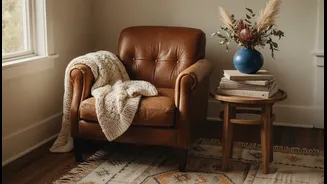
Embracing this trend doesn't require a complete overhaul. You can start small to shift the feeling of your home. Swap out glossy decor for a few ceramic vases or a wooden tray. Add a pair of linen cushions to your sofa or a soft wool throw over a chair. Consider a single piece of furniture with a rounded silhouette, like an armchair or an ottoman, to soften a corner. The goal is to layer these elements thoughtfully. This style, often seen in Organic Modern or Japandi aesthetics, is about balancing different textures—the smoothness of wood, the softness of linen, the coolness of stone—to create a space that is not only visually interesting but also deeply comfortable and personal.