






The Ache of Inactivity
The human body is designed for movement. When you sit for prolonged periods, several things happen. Muscles like your hip flexors shorten and tighten, while others become inactive. The synovial fluid that lubricates your joints doesn't circulate as effectively,
which can lead to a feeling of tightness or resistance when you first start to move again. This is 'benign' stiffness—a direct result of inactivity. It's typically temporary and resolves within a few minutes of walking or stretching. Think of it as your body's protest against being held in one position for too long. This kind of stiffness usually feels more like tightness than deep pain and doesn't typically involve significant swelling.
Understanding Joint Disease: Arthritis
Arthritis isn't just a symptom; it's a disease characterized by inflammation and damage within the joints themselves. There are over 100 different types, but two are most common: Osteoarthritis (OA) and Rheumatoid Arthritis (RA). Unlike the temporary stiffness from sitting, the discomfort from arthritis stems from underlying changes in the joint. Prolonged sitting can make the symptoms of existing arthritis feel more pronounced, but the root cause is the disease process, not just a lack of movement.
Osteoarthritis: The 'Wear and Tear' Condition
Osteoarthritis is the most common form of arthritis and is often described as a 'wear and tear' condition. It occurs when the protective cartilage that cushions the ends of your bones gradually breaks down over time. As the cartilage thins, bone can rub against bone, causing pain, swelling, and loss of motion. The stiffness associated with OA is most notable after periods of rest, like waking up or getting out of a chair. However, a key distinction is that this morning stiffness typically lasts less than 30 minutes.
Rheumatoid Arthritis: The Autoimmune Attacker
Rheumatoid arthritis is a different beast entirely. It's an autoimmune disease where the body's own immune system mistakenly attacks the lining of the joints, causing widespread inflammation. This can lead to pain, swelling, and eventually, joint deformity. A major clue that points toward RA is prolonged morning stiffness that often lasts for more than an hour. Another sign is symmetry; RA frequently affects the same joints on both sides of the body, such as both wrists or both knees. Because it's a systemic disease, RA can also be accompanied by fatigue, low-grade fever, and a general feeling of being unwell.
Red Flags: When to See a Doctor
While occasional stiffness is normal, certain signs warrant a conversation with your doctor. Be mindful of these red flags: joint pain that lasts for several days or weeks, morning stiffness that persists for more than 30-60 minutes, visible swelling or redness around a joint, and pain that is severe enough to interfere with your daily activities or sleep. If you find yourself modifying your life to avoid joint pain—like taking the lift instead of the stairs—it's time to get it checked out. Your primary care provider is a good starting point and can refer you to a specialist like a rheumatologist or orthopedist if needed.
Proactive Steps for Desk Workers
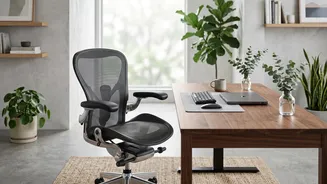
The best defense is a good offense. To combat the effects of a sedentary job, focus on movement and ergonomics. Aim to stand, stretch, and walk around for a few minutes every 30-60 minutes. Simple desk stretches like shoulder rolls and spinal twists can also help. Adjust your workspace to support your body: your monitor should be at eye level, your feet should be flat on the floor, and your chair should support your lower back. An ergonomic setup reduces unnecessary strain on your spine, neck, and joints, making a significant difference in your daily comfort.