





From Hiding to Highlighting
For many, storage is a place to hide the things we can't bear to part with but don't really use. It’s a tool for accumulation. However, a crucial mental shift can transform storage from a cluttered hiding spot into a curated display. Instead of asking,
“Where can I hide this?” the question becomes, “Is this item important enough for the space I’m giving it?” Professional organizers suggest that this reframing is the first step toward intentional living. The goal of useful storage isn’t to see how much you can fit, but to make the items you truly value accessible and easy to manage. This approach forces you to confront your possessions and decide what truly adds value to your life, making it easier to let go of the rest. A cluttered space often leads to a cluttered mind, and by simplifying your environment, you can reduce stress and anxiety.
Visibility Is Your Best Filter
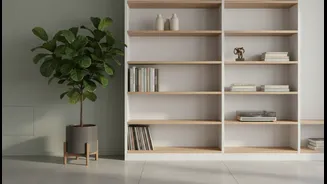
The old adage “out of sight, out of mind” is a major cause of clutter. When items are tucked away in opaque boxes or pushed to the back of deep cabinets, we forget we own them and often end up buying duplicates. This is where visible and accessible storage becomes a game-changer. Clear containers, open shelving, and drawer dividers ensure you can see everything you own at a glance. This constant visibility acts as a natural filter; when you can clearly see you have four black t-shirts or three identical sets of measuring cups, it becomes much easier to identify excess and pare down your collection. This strategy puts an end to unintentional hoarding and makes principles like the “one-in, one-out” rule more intuitive to follow. Storage containers should serve as boundaries that define how much you can keep, not as places to hide clutter.
Redefining 'Useful' Storage
Useful storage is about more than just buying attractive bins; it’s about creating systems that align with your daily life. To be effective, storage must be functional and intuitive. This means storing items as close as possible to where they are actually used. For example, keep your most-used cooking utensils in a container on the counter, not buried in a drawer. Similarly, multi-functional furniture, like an ottoman with hidden storage or a bed with built-in drawers, maximizes space while keeping essential items handy. The best systems reduce the number of decisions required each day. Another key aspect is modularity and flexibility. Storage solutions that can be reconfigured or expanded as your needs change prevent systems from becoming obsolete. Ultimately, prioritize function over a picture-perfect aesthetic; a system that works for you is better than one that just looks good.
Zoning Your Home for Calm
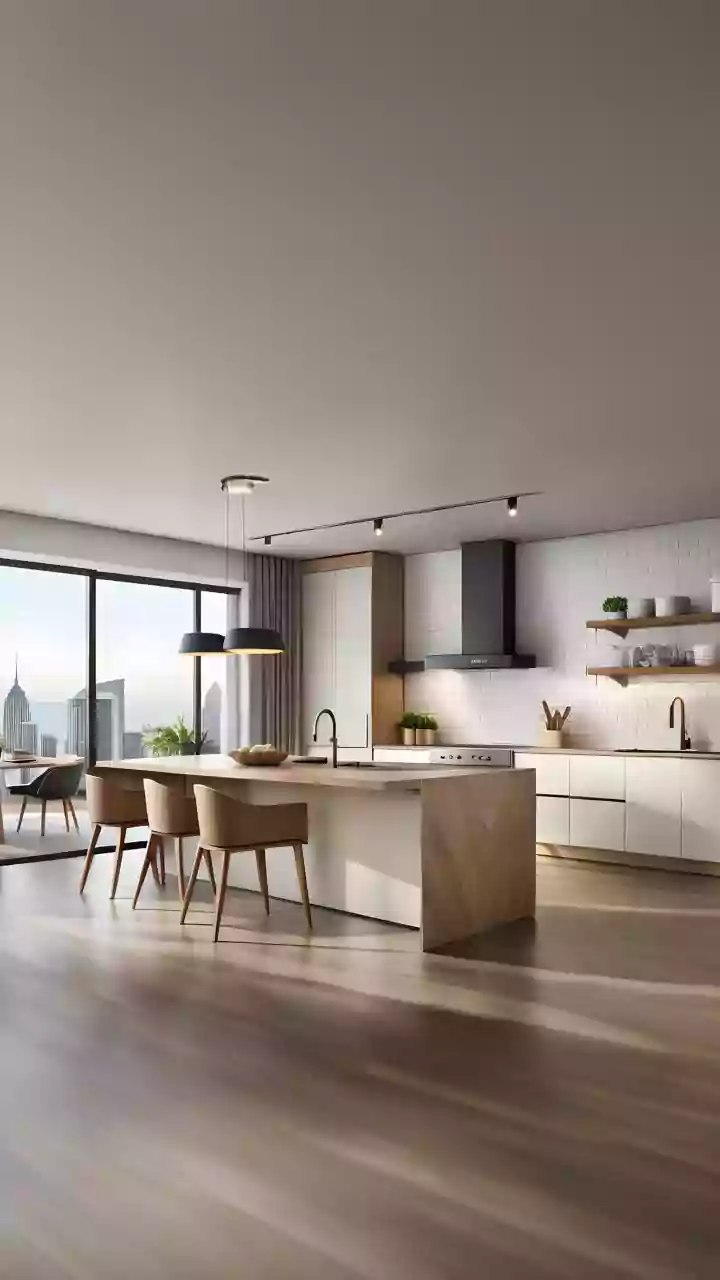
Applying these principles to specific areas of your home can have a dramatic impact. In the kitchen, utilizing vertical space with wall-mounted racks or pegboards can free up valuable counter space. Decanting pantry staples into clear, uniform containers not only looks organized but also shows you exactly how much you have, preventing overbuying. In the wardrobe, slim hangers create more space and uniformity, while drawer dividers keep smaller items like socks and accessories visible. When every piece of clothing has a designated, accessible spot, getting dressed becomes simpler. For a workspace, create a “drop zone” for incoming papers and mail to prevent piles from forming on your desk. By assigning a specific purpose and home to every item, tidying up becomes a quick process of returning things to their designated spots rather than a monumental task.