




The Hidden Cost of Our Favourite Places
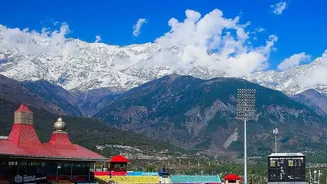
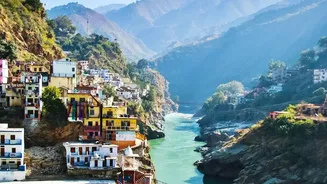
From the Himalayan heights of Shimla and Manali to the sun-drenched beaches of Goa, India's most beloved tourist destinations are groaning under the pressure of their own popularity. This phenomenon, known as overtourism, creates a cascade of environmental
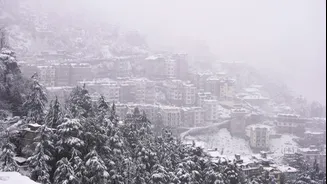
problems. In hill stations, the massive seasonal influx of visitors strains fragile ecosystems. Cities like Shimla face acute water shortages as hotels and tourist facilities consume vast quantities of a limited resource. Waste management systems, often designed for much smaller resident populations, are overwhelmed, leading to overflowing landfills and plastic waste choking rivers and valleys. A 2023 UN study noted that in some popular Himalayan destinations, per-capita waste generation during peak season can be four times the national urban average. This isn't just an aesthetic issue; it pollutes water sources, degrades soil, and threatens the very natural beauty that draws tourists in the first place.
The Power of Dispersal
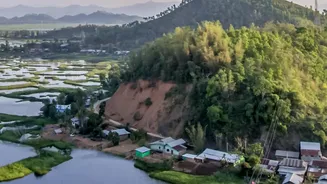
The core of the problem is concentration. When thousands of tourists descend on the same few square kilometres, their collective environmental footprint becomes immense. Exploring beyond these main zones is a powerful act of dispersal. Instead of one area bearing the entire burden, the impact is spread out. When a few travellers choose a homestay in a quiet village outside the main city, they are alleviating the pressure on that city's water supply, waste infrastructure, and energy grid. This approach doesn't just relocate the problem; it dilutes it to a manageable level. Smaller, more dispersed groups of tourists have a much lower impact on any single location, allowing local environments and infrastructure the breathing room to cope and recover. It’s a simple principle: a hundred people spread across ten villages have a far smaller environmental impact than a hundred people crowded into one small town square.
Sharing the Economic Benefits
The benefits of venturing beyond tourist hotspots are not just environmental. Overtourism often creates economic inequality, with wealth concentrating in the hands of a few large hotel chains and tour operators in prime locations. Conversely, rural and semi-urban areas on the periphery are often left out. By choosing to stay in a local homestay, eat at a family-run dhaba, or hire a guide from a smaller town, tourists can directly support local economies. This distribution of tourist spending fosters more equitable and sustainable development. It provides alternative livelihoods for communities that might otherwise be solely dependent on agriculture and helps them preserve their cultural heritage, as they see a direct economic incentive to do so. Initiatives in regions like North East India and Odisha have shown that community-based tourism, where locals have ownership, leads to better preservation of both culture and nature.
A More Authentic Experience for the Traveller
Ultimately, exploring beyond the main tourist zones offers a more rewarding and authentic travel experience. While popular sites are famous for a reason, the true spirit of a place is often found in its quieter corners. Escaping the crowds allows for more genuine interactions with local people and a deeper immersion into the daily rhythms of life. Imagine swapping a crowded market for a peaceful walk through a village, discovering a hidden waterfall, or sharing a cup of chai with a homestay owner. These are the moments that create lasting memories, far from the commercialised and often sanitised experiences of major tourist hubs. This style of travel is not about avoiding popular attractions altogether, but about balancing them with the discovery of the unknown, enriching your journey while lightening your footprint.