

The Dream of a Barcelona Return Crumbles
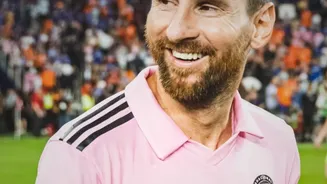
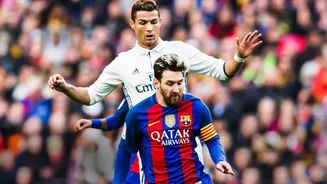
The first choice for Lionel Messi was always a return to FC Barcelona, the club where he became a legend. After an unhappy two-year spell at Paris Saint-Germain, the emotional pull of home was strong. He and his family were reportedly excited about the prospect,
and then-manager Xavi Hernandez was actively planning for his integration back into the team. However, the same financial issues that forced his tearful departure in 2021 remained a major obstacle. Barcelona could not provide a 100% guarantee that they could register him due to La Liga's stringent financial fair play rules without needing to sell other players or drastically cut salaries. Unwilling to have his future left in someone else's hands again or be responsible for negative impacts on his former teammates, Messi decided he had to look elsewhere.
A Different Kind of Life for his Family
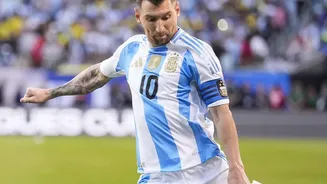
Beyond the pitch, a significant motivator was the desire for a better quality of life and a sense of normalcy for his family. In interviews, Messi spoke of a difficult period on a personal level while in Paris and expressed a wish for his family to 'have enjoyment again'. The intense, high-pressure spotlight of European football had taken its toll. Miami, a city where he and his family already owned property and enjoyed vacationing, offered a different lifestyle. The move was described as a chance to 'live football in a different way' and 'enjoy day to day much more but with more peace of mind'. This shift in priority, from the relentless demands of top-tier European competition to a more balanced family life, was a key factor that European clubs simply couldn't offer.
A Financial Package Beyond Just a Salary
While Messi famously turned down a staggering offer from Saudi Arabia, reported to be worth over a billion euros, the Inter Miami deal was far more than a simple salary. It was a complex and creative financial package. While his base salary is around $12 million, his total guaranteed compensation is over $20 million per season. The truly unique part of the deal, however, involves unprecedented revenue-sharing agreements with two of Major League Soccer's biggest commercial partners: Apple and Adidas. Messi receives a cut of the revenue from new subscriptions to the MLS Season Pass on Apple TV+, the league's global broadcaster. He also has a profit-sharing deal with Adidas, the league's official apparel sponsor, on the increase in their profits resulting from his presence.
The Beckham Blueprint: Building a Legacy
The deal also contained a long-term incentive reminiscent of the one that brought Inter Miami co-owner David Beckham to the MLS in 2007. Messi's contract includes an option to acquire a stake in Inter Miami after his retirement. This transforms him from just a player into a long-term partner invested in the growth of the club and the league itself. The total value of his initial two-and-a-half-year deal is estimated to be as high as $150 million when salary, bonuses, and the equity stake are combined. This opportunity to build a legacy, much like Beckham did by transforming the league's profile and eventually owning a team, presented a unique challenge. It was a chance not just to play, but to fundamentally elevate the sport in a country set to co-host the 2026 World Cup.