





The Power of Bodyweight Training
Bodyweight exercises, which use your own mass as resistance, are a highly effective way to build strength, improve endurance, and boost your metabolism. Research has shown that this type of training can deliver results comparable to using traditional
gym weights for improving muscle strength and body composition. These exercises often engage multiple muscle groups at once, promoting functional strength that helps with everyday movements and improves overall coordination. Best of all, they can be done anywhere, making them the perfect solution for a small apartment or even a hotel room.
Upper Body and Core Essentials
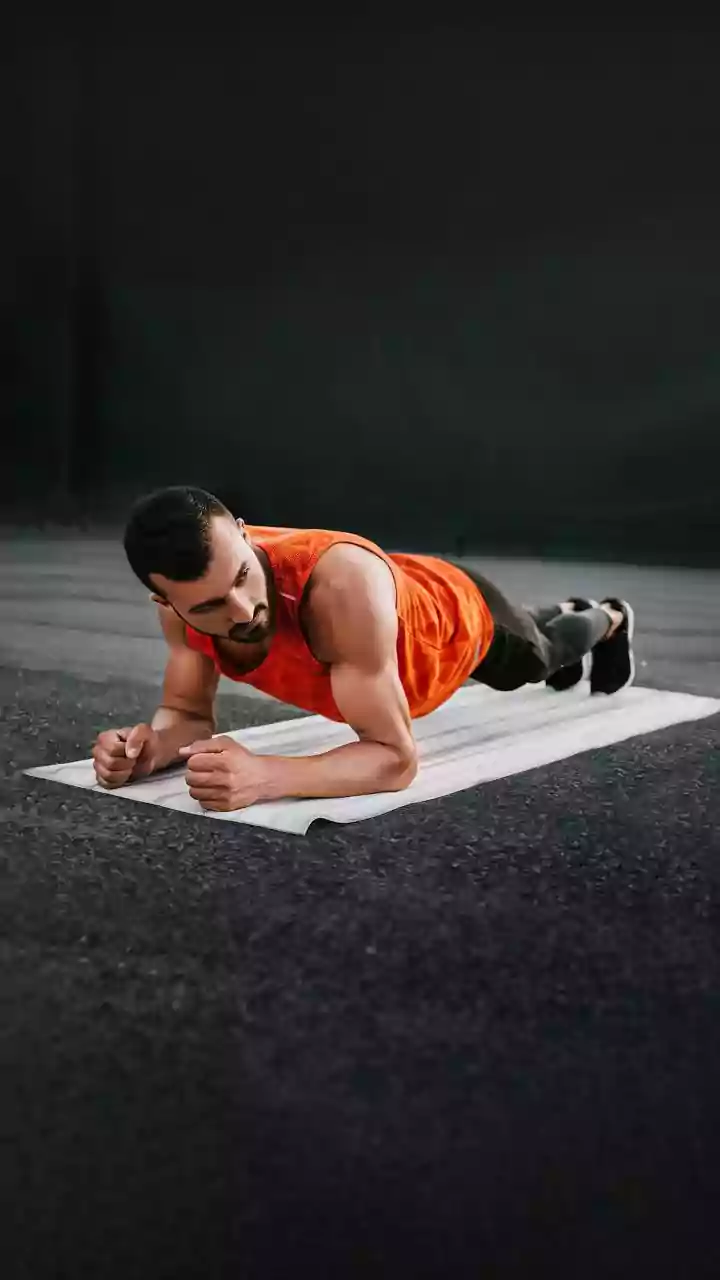
The push-up is a classic for a reason: it strengthens your chest, shoulders, triceps, and core simultaneously. If a standard push-up is too challenging, start with your hands on a wall or an elevated surface. As you get stronger, you can progress to knee push-ups and then full ones. Pair this with the plank, a supreme core-stabilizing exercise. To perform a plank, hold a push-up position, resting on your forearms, keeping your body in a straight line from head to heels. This simple hold engages your entire midsection, which is crucial for posture and preventing back pain.
Lower Body Foundations
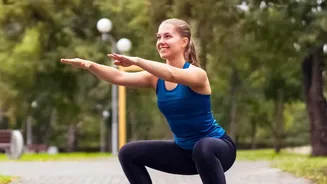
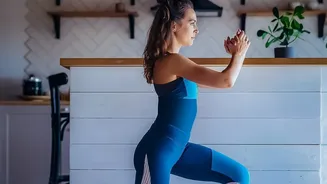
For the lower body, squats are the foundational movement. They target your quadriceps, hamstrings, and glutes, mimicking the functional motion of sitting and standing. To do a proper squat, stand with feet shoulder-width apart, keep your chest up, and lower your hips as if sitting in a chair, ensuring your heels stay on the floor. Lunges are another excellent exercise for targeting each leg individually, which helps improve balance and correct strength imbalances. You can perform them by stepping forward or backward, lowering your hips until both knees are bent at a 90-degree angle.
No-Noise Cardio Blasts
Getting your heart rate up in an apartment requires moves that are high-intensity but low-impact, especially if you have neighbours below. Forget noisy jumping. Instead, focus on exercises like high knees, mountain climbers, and quiet burpees. For mountain climbers, start in a plank position and bring your knees to your chest one at a time, as if jogging in place. A 'quiet burpee' involves stepping back into a plank and then stepping forward, removing the jump to keep noise to a minimum. Combining these moves in a circuit—for instance, 30 seconds of work followed by 15 seconds of rest—creates an effective cardio session that respects your space and your neighbours.
Putting It All Together: A Sample Routine
Consistency is more important than intensity when you're starting. Aim for a few sessions a week, focusing on good form. A simple full-body routine could involve three sets of 10-15 reps of squats, followed by three sets of push-ups (to your ability), and three sets of lunges on each leg. Finish with three 30-45 second plank holds and a 10-minute cardio circuit of your choice. As you get fitter, you can increase the reps, reduce rest times, or try more challenging variations like single-leg squats or decline push-ups. The key is to create a schedule you can stick to, whether it's three 20-minute workouts a week or a quick 10-minute session each morning.