







An All-Night Culinary Carnival
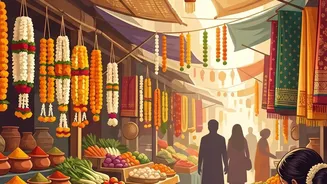
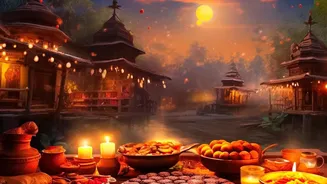
As dusk settles over Kolkata during the five days of Durga Puja, the city transforms into a sprawling, sleepless carnival. The main event is pandal-hopping—a marathon of visiting elaborately decorated temporary structures housing the idol of Goddess Durga.
But this pilgrimage is powered by another, equally important tradition: street food. Makeshift stalls, glowing under halogen lamps, line every lane and by-lane leading to a pandal. They stay open all night, serving up a storm to the millions of revellers who pour onto the streets. The sizzle of oil, the clanging of spatulas, and the happy chatter of crowds create a soundtrack that is as integral to Puja as the religious hymns. It's an atmosphere of pure, unadulterated joy, where the sacred and the profane, the divine and the delicious, merge seamlessly.
The Essential Fuel for Festivities
Pandal-hopping is an exhausting affair. It involves walking for kilometres, navigating dense crowds, and staying awake until the early hours of the morning. The humble food stall is the strategic pit-stop that makes it all possible. It’s where friends regroup, families take a breather, and everyone refuels for the next leg of their pandal adventure. A quick plate of ghugni or a life-affirming kathi roll provides the necessary burst of energy to keep the festive spirit alive. The stalls are not just conveniences; they are an organic part of the Puja ecosystem. Their placement is often strategic, catching crowds as they exit one major pandal and head towards the next. Without these culinary oases, the all-night celebration would be a far less sustainable, and certainly less tasty, affair.
A Roster of Unforgettable Flavours
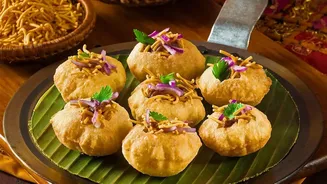
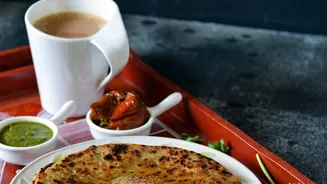
The menu on offer is a roll call of Kolkata's most cherished street food classics. At the forefront is the phuchka, a crispy sphere filled with spiced potatoes and tangy tamarind water, which disappears in one explosive bite. Then there is the iconic kathi roll, a flaky paratha wrapped around succulent kebab fillings, often with a generous helping of onions and sauce. Stalls selling Moglai parathas—a rich, fried bread stuffed with minced meat and egg—do brisk business. For something heartier, there are massive handis of biryani, its fragrant steam perfuming the air. Other staples include ghugni (a spicy yellow pea curry), various deep-fried snacks known as telebhaja, and the ever-popular Kolkata-style Chinese food, from chowmein to chilli chicken. Each dish is a taste of nostalgia, a flavour that people associate with the freedom and festivity of Puja.
The Great Social Equaliser
While the daytime festivities often involve the traditional bhog—a consecrated vegetarian meal of khichuri and mixed vegetables served at the pandals—the nights belong to the street. Here, around the food stalls, social hierarchies melt away. People from all walks of life stand side-by-side, united by their shared craving for a hot roll or a plate of phuchka. These stalls become impromptu venues for 'adda', the quintessential Bengali art of leisurely conversation. Friends catch up on a year's worth of gossip, families share a laugh, and strangers connect over a shared meal. The food itself is secondary to the act of communion it fosters. It’s a space of shared experience, where the entire city comes together to eat, talk, and celebrate as one community.