



A Taste of the Rains
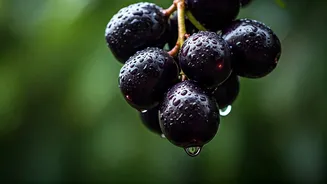
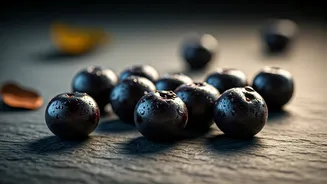
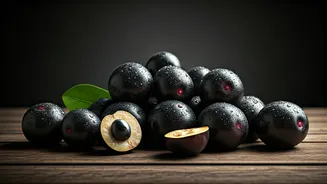
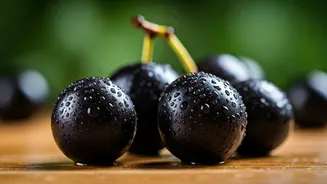
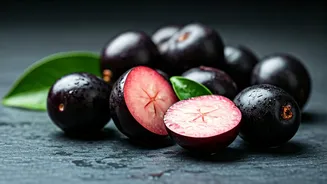
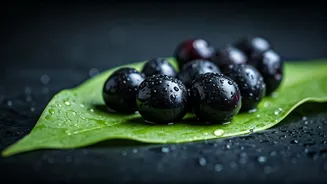
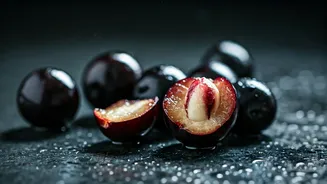
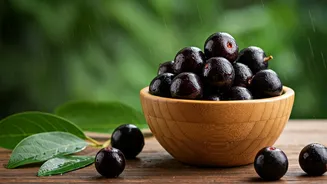
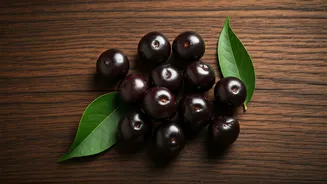
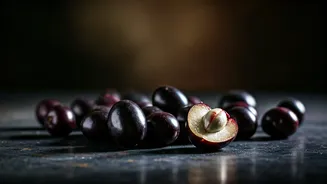
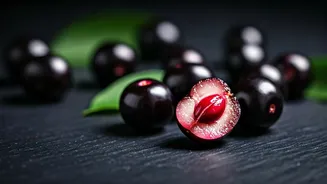
For millions, the arrival of the monsoon is heralded not just by darkened skies and the smell of petrichor, but by the sight of street carts laden with glistening, deep-purple jamuns. Known also as black plum or Java plum, this humble fruit packs a complex
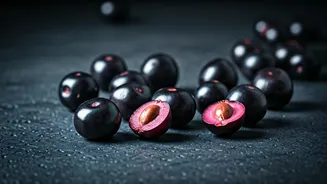
flavour profile that is utterly unique. The initial sweetness quickly gives way to a pleasant tartness and a distinct astringent kick that makes your mouth pucker, followed by a lingering, mildly sweet aftertaste. It’s an experience, not just a flavour. The tell-tale purple stain it leaves on your tongue and fingers is a badge of honour, a colourful souvenir of seasonal indulgence that connects generations of Indians to their childhoods.
More Than Just a Fruit
The love for jamun is deeply woven into the cultural fabric of India. It's the fruit of schoolyard memories, of saving pocket money to buy a paper cone full of jamuns sprinkled with black salt. It’s the taste of lazy, rain-soaked afternoons spent with cousins, competing to see who could spit the seed the farthest. This nostalgia is a powerful connector. In Hindu mythology, Lord Krishna is often depicted with skin the colour of a jamun, and the fruit is considered auspicious. This cultural reverence, combined with its strict seasonality, elevates the jamun from a simple commodity to a cherished, almost ritualistic part of the year. Its brief appearance makes every bite feel special, a fleeting gift from nature that must be enjoyed before it vanishes.
The Purple Powerhouse
Beyond its nostalgic appeal, the jamun is a nutritional champion, making it a guilt-free indulgence. Its deep purple colour comes from anthocyanins, powerful antioxidants that help fight free radicals in the body. The fruit is a good source of Vitamin C, iron, magnesium, and potassium. But its most celebrated health benefit is its effect on blood sugar levels. Jamun has a low glycemic index, which means it releases sugar into the bloodstream slowly, preventing sharp spikes. For this reason, it has been a part of traditional diets for managing blood sugar for centuries. The presence of compounds like jamboline and jambosine in the fruit and seeds is believed to contribute to this effect, making it a popular choice for those managing diabetic conditions.
An Ayurvedic Treasure
In the world of Ayurveda, jamun is revered as a medicinal marvel. It’s not just the pulp that is valued; the seed, bark, and leaves are all used in various traditional preparations. Ayurvedic practitioners consider jamun to have cooling properties, making it ideal for the humid monsoon season. The powdered seed, or 'guthli,' is a well-known traditional remedy for digestive ailments and, most famously, for its role in managing diabetes. The leaves and bark are used for their astringent properties, often in treatments for throat and gum issues. This holistic use underscores the ancient wisdom that saw the jamun tree not just as a source of food, but as a complete natural pharmacy.
From Street Snack to Gourmet Star
While the classic way to enjoy jamun—fresh, with a pinch of salt—will never go out of style, the fruit is now finding its way into modern kitchens and gourmet menus. Its vibrant colour and unique flavour profile make it a versatile ingredient. Chefs are experimenting with jamun sorbets, cheesecakes, panna cottas, and even savoury salads with a jamun vinaigrette. The tartness of the fruit makes it an excellent base for refreshing coolers, cocktails, and shrubs. This culinary evolution is introducing the beloved fruit to a new audience, ensuring its legacy continues to grow. It proves that the humble jamun can be both a simple street-side pleasure and a star ingredient in a sophisticated dish.