




A Landscape of Grasslands and Wetlands
Kaziranga's magic lies in its unique landscape, a mosaic of tall elephant grass, dense woodlands, and sprawling wetlands known as 'beels'. This combination of habitats, nourished annually by the floods of the Brahmaputra River, creates a perfect environment
for a vast range of wildlife. The tall grasslands, which can grow several meters high, provide excellent cover and food for large herbivores like elephants, while the beels are magnets for both resident and migratory birds. It is this interplay between land and water that allows such a high density of species to thrive, making every safari a journey through multiple ecosystems at once.
In the Realm of the Asiatic Elephant
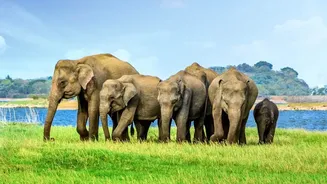
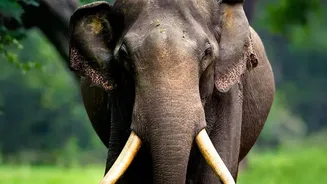
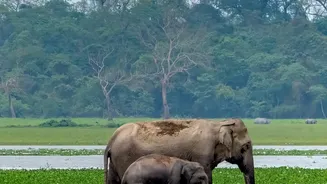
Kaziranga is home to a significant population of Asiatic elephants, and sightings of large herds are a common and unforgettable highlight for many visitors. These gentle giants are often found grazing in the open grasslands or socialising near the water bodies, particularly during the cooler hours of the morning and late afternoon. The Western Range (Bagori) is particularly renowned for its elephant sightings, where the Diphlu River attracts large family groups. Observing their complex social interactions, from protective mothers guiding their calves to the sheer presence of a large bull, offers a profound insight into the life of one of India's most iconic animals. While rhinos are often the main draw, the elephants are the true architects of the landscape, their movements shaping the very environment they inhabit.
A Paradise for Avian Enthusiasts
Recognised as an Important Bird Area, Kaziranga is a world-class destination for birdwatching, with over 500 species recorded. The park's diverse habitats attract an incredible variety of birds, from waterfowl and raptors to colourful forest dwellers. The Eastern Range (Agaratoli) is widely considered the top zone for birding. Its extensive wetlands and proximity to the Brahmaputra make it a hotspot for migratory species like the Bar-headed Goose and numerous ducks and storks that arrive in winter. Resident species like the Great Hornbill and various kingfishers can be spotted throughout the park. Even if you're not a dedicated birder, the sheer number and variety of birds add a constant layer of sound and colour to the safari experience.
Choosing Your Safari and Zone
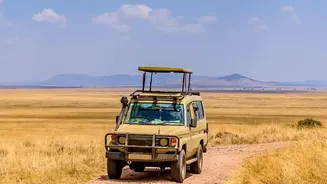
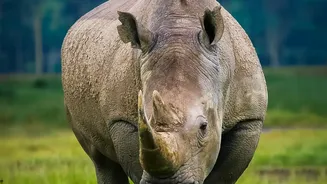
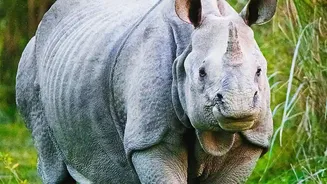
Kaziranga offers two primary safari experiences: the Jeep Safari and the Elephant Safari. Jeep safaris cover more ground and are available in all four main zones: Central (Kohora), Western (Bagori), Eastern (Agaratoli), and Burapahar. For a balanced trip, combining zones is ideal. The Central and Western zones are best for consistent rhino and elephant sightings. The Eastern zone is the undisputed champion for birdwatching, and even offers a boat safari. The hilly Burapahar zone provides a different, more forested experience and is the best place to spot Hoolock Gibbons. Elephant safaris, available only in the Central and Western zones in the early morning, offer a unique, slow-paced perspective, allowing you to get closer to wildlife in the tall grass.
Best Time for Your Expedition
The best time to visit Kaziranga for wildlife viewing is from November to April, when the park is open and the weather is pleasant. The peak season for birdwatching is during the winter months, from December to February, when migratory species are present in large numbers. During this period, the grasses are also shorter, which can improve visibility for spotting mammals. The park remains closed from May through October due to the monsoon floods, which are essential for replenishing the ecosystem but make the area inaccessible for tourism. Planning your visit within this window ensures the best chances of experiencing the full richness of Kaziranga's elephant and bird life.