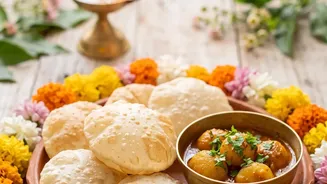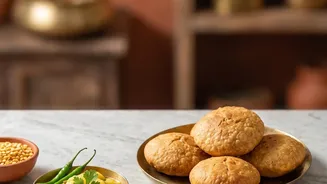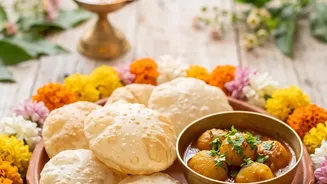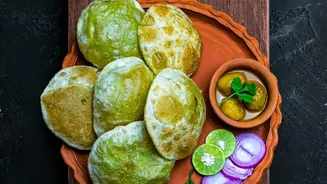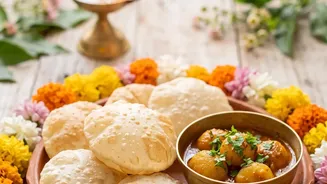


In the quest for authentic Indian cooking, it's easy to think you need a kitchen full of specialised gadgets. But for the soul-satisfying plate of classic puri sabzi, all you truly need are two humble heroes: a rolling pin and a kadhai.
The Power of Kitchen Minimalism
Before diving into
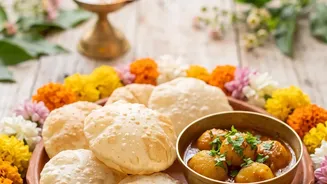
recipes, it’s worth appreciating the philosophy of a minimalist Indian kitchen. For generations, complex and delicious meals have been crafted not with an army of single-use gadgets, but with a few versatile tools handled with skill. The combination of puri sabzi, a beloved breakfast and comfort meal across India, is a perfect testament to this. It’s a dish that relies on technique and temperature control, skills that are mastered through practice with the most fundamental of tools. The aroma of a simple, tangy potato curry paired with perfectly puffed, golden-brown bread is a cornerstone of Indian home cooking, accessible to anyone without a hefty investment in modern equipment.
Your Two Essential Champions
Let's focus on the stars of the show. First, the 'belan', or rolling pin. Often lighter and thinner than its Western counterparts, the Indian belan is designed for the nimble work of rolling out flatbreads like roti, paratha, and, of course, puri. Its design allows for even pressure to create thin, uniform discs of dough. The second tool is the 'kadhai', a deep, wok-like pan. Its sloped sides and heavy bottom are engineered for the rigours of Indian cooking. For deep-frying puris, the kadhai's shape ensures the oil heats evenly and contains splashes, requiring less oil than a flat-bottomed pan. It’s also the perfect vessel for simmering the accompanying sabzi, allowing flavours to meld beautifully.
Crafting the Perfect Puri Dough
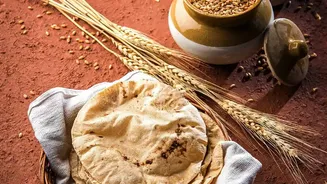
The secret to a puri that puffs up magnificently lies in the dough. It needs to be just right—stiffer than roti dough but still pliable. To make it, combine two cups of whole wheat flour (atta), a pinch of salt, and a teaspoon of oil or ghee for flavour. Gradually add water, a little at a time, kneading until you form a firm, smooth dough. Using too much water will make the dough soft, causing the puris to absorb excess oil when fried. Once kneaded, cover the dough with a damp cloth and let it rest for at least 20-30 minutes. This resting period is crucial as it allows the gluten to relax, making the dough easier to roll.
Rolling and Frying to Golden Perfection
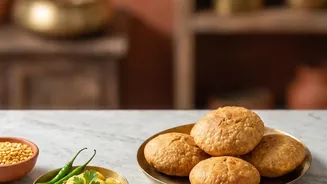
After the dough has rested, divide it into small, lime-sized balls. Lightly oil your work surface and rolling pin—using oil instead of dry flour prevents the frying oil from getting diluted and dirty. Roll each ball into a small circle, about 4-5 inches in diameter, ensuring it has an even thickness. Now, heat vegetable oil in your kadhai over medium-high heat. The oil temperature is critical. To test it, drop a tiny piece of dough into the oil; if it sizzles and rises to the surface immediately, the oil is ready. Gently slide a rolled-out puri into the hot oil. As it floats to the top, use a slotted spoon to lightly press down on it, encouraging it to puff up like a balloon. Fry for about 20-30 seconds per side until golden brown, then remove and drain on a paper towel.
A Simple, Heartwarming Aloo Sabzi
While the puris rest, you can prepare a classic 'aloo sabzi' (potato curry) right in the same kadhai. Start by boiling 4-5 medium potatoes until tender, then peel and lightly mash them. Heat a couple of tablespoons of oil in the kadai and temper with whole spices like cumin seeds, a bay leaf, and a pinch of asafoetida (hing). Sauté one chopped onion until translucent, then add ginger-garlic paste, chopped tomatoes, and green chillies. Cook until the tomatoes soften, then add powdered spices like turmeric, red chilli powder, and coriander powder. Fold in the mashed potatoes, add about a cup of water, and simmer for 5-10 minutes, allowing the potatoes to absorb the flavours. A final sprinkle of garam masala and fresh coriander leaves completes the dish.