
The Plant-Based Iron Puzzle
Iron is a vital mineral that our bodies need to create haemoglobin, the protein in red blood cells that carries oxygen from our lungs to the rest of the body. Feeling constantly tired, weak, or unable to concentrate can be signs of iron deficiency, a widespread
issue in India. Iron in food comes in two forms: heme and non-heme. Heme iron, found in meat, poultry, and fish, is easily absorbed by the body. Non-heme iron, found in plant sources like leafy greens, lentils, beans, and whole grains, is much less bioavailable. This means that even if you eat an iron-rich vegetarian meal, your body might only absorb a small fraction of the nutrient, from as little as 2% to 20%.
Vitamin C: The Absorption Superstar
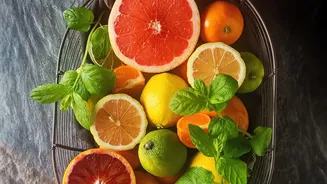
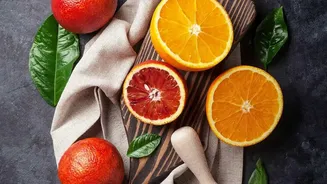
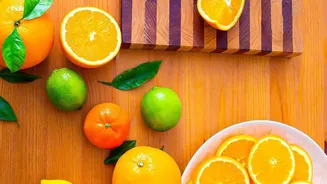
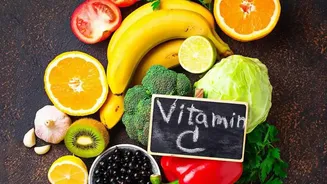
This is where vitamin C, or ascorbic acid, plays a game-changing role. It is the most potent enhancer of non-heme iron absorption. When consumed in the same meal, vitamin C works its magic by converting non-heme iron from its ferric state (Fe3+) into the more soluble ferrous state (Fe2+), which is the form our intestines can easily absorb. It also forms a protective compound with the iron, preventing it from binding with inhibitors like phytates (found in grains and legumes) and polyphenols (in tea and coffee), which would otherwise block absorption. Studies have shown that adding vitamin C can significantly increase iron uptake. In fact, one study noted that adding 25 mg of ascorbic acid (lemonade) to two meals a day doubled iron absorption. Another study suggests it can increase absorption by up to six times, depending on the meal's composition.
Your Ultimate Indian Food Pairing Guide
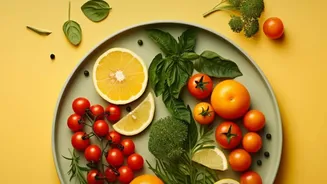
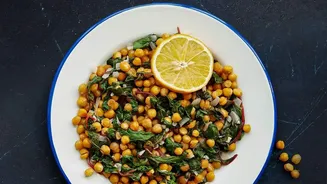
Applying this science to your daily meals is simple and delicious. The key is to consciously pair your iron-rich plant foods with a source of vitamin C in the same meal. Think of it as a nutritional teamwork. Here are some classic Indian pairings that naturally get it right: Dal and Lemon: A generous squeeze of fresh lemon juice over your bowl of dal (lentil curry) is the most iconic example. The lentils provide the iron, and the lemon provides the vitamin C. Palak Paneer with Tomato: The iron from spinach (palak) is notoriously hard to absorb due to compounds called oxalates. However, cooking it in a tomato-based gravy, a common practice, helps counteract this as tomatoes are a good source of vitamin C. Rajma/Chana Masala: Kidney beans and chickpeas are packed with iron. The base of these curries is almost always a blend of onions, tomatoes, and spices, providing the necessary vitamin C boost for better absorption. Millet Roti with Chutney: Pair your bajra or jowar roti with a side of fresh coriander and tomato chutney. The chutney isn't just for flavour; it's a vital source of vitamin C. * Sprouts Salad: A salad made from sprouted moong or kala channa is an iron powerhouse. Tossing it with chopped tomatoes, onions, and a squeeze of lime enhances it further.
Maximise Your Intake and Avoid Blockers
Beyond pairing, a few other habits can make a big difference. Soaking, sprouting, and fermenting legumes and grains can reduce their phytic acid content, a known iron inhibitor. This makes the iron within them more accessible. Just as important as what you add is what you avoid. Tannins, found in tea and coffee, are powerful iron inhibitors. Drinking your chai or coffee within an hour or two of an iron-rich meal can significantly reduce how much iron your body gets. Try to schedule your tea and coffee breaks between meals rather than with them. High amounts of calcium from dairy can also compete with iron for absorption, so it's wise not to consume very large quantities of dairy with your main iron-focused meals.