


The Non-Negotiable Quarantine Period
Before you introduce your new green friend to its siblings, a period of isolation is critical. Most houseplant pest infestations start with a new plant that looked perfectly healthy at the store. Pests like spider mites, mealybugs, scale, and thrips are
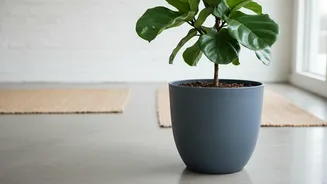
experts at hiding in early stages. A quarantine of at least two to four weeks gives you the necessary time to spot any emerging issues before they can spread. This separation should be meaningful; placing a new plant on the same shelf as others is not an effective quarantine, as some pests can travel short distances or fly. An ideal spot is a separate room with adequate light, such as a guest bathroom or a corner of your home office.
The Initial Pot and Soil Inspection
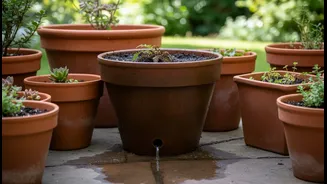
Your first line of defence starts before the plant even settles into its quarantine corner. Begin by examining the pot itself. Check for cracks where pests might hide and ensure it has proper drainage holes to prevent root rot. Next, turn your attention to the soil. Look closely at the surface for any signs of movement, fine webbing, or mould. Fungus gnats, which look like tiny black flies, often hover around overly moist soil where they lay their eggs. While the adult gnats are more of a nuisance, their larvae can damage the plant's roots. If you're comfortable, gently slide the plant out of its pot to inspect the root system. Healthy roots should be firm and white or light tan. Mushy, brown, or black roots are a sign of root rot, while cottony white masses in the roots can indicate a root mealybug infestation.
A Thorough Leaf and Stem Check
The foliage is a primary hiding spot for many common pests. A meticulous inspection is key. Start by checking the entire plant, from the leaf surfaces to the undersides, along the petioles (leaf stalks), and down the main stems. Use a magnifying glass if you have one, as some pests are no bigger than a speck of dust. Look for the fine, silky webbing of spider mites, often found where leaves join the stem. These pests cause a stippled or speckled pattern on leaves. Mealybugs appear as small, white, cotton-like clumps, typically tucked into the joints of leaves and stems. Scale insects look like small, flat brown bumps that can be scraped off with a fingernail. Also look for any sticky residue on the leaves, a substance called 'honeydew' which is excreted by pests like aphids and scale.
Proactive Cleaning and Ongoing Monitoring
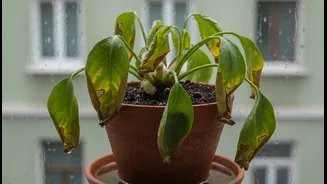
Once the initial inspection is complete, give the plant a gentle cleaning. Rinsing the foliage with lukewarm water in a sink or shower can physically dislodge many potential pests. You can then wipe the leaves and stems with a soft cloth. Some plant owners opt for a preventative spray with insecticidal soap or a neem oil solution at the start of the quarantine. Throughout the two-to-four-week isolation period, continue to inspect the plant every few days. Placing yellow sticky traps near the pot can help you monitor for flying pests like fungus gnats or thrips. Keep a close eye out for any changes, such as yellowing leaves, spots, or the appearance of any webs or cottony masses you may have missed initially. Water the plant as you normally would, but avoid overwatering, as damp soil encourages pests.