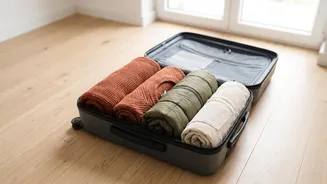









The Science of Saving Space
The magic behind rolling clothes is simple: compression. When you fold clothing, you trap pockets of air between the layers. These air gaps are space-thieves, making even a small stack of clothes deceptively bulky. Rolling, on the other hand, pushes that
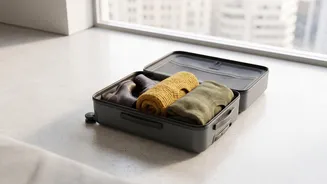
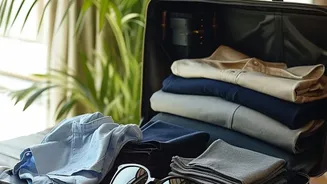
air out. By tightly winding each garment into a compact, cylindrical log, you create denser bundles that take up significantly less volume. This method allows you to fill every nook and cranny of your bag, from the corners to the spaces between larger items, ensuring no pocket of space is wasted. The result is a bag that feels more organised and can hold surprisingly more than you'd expect.
Why Winter Clothes Benefit Most
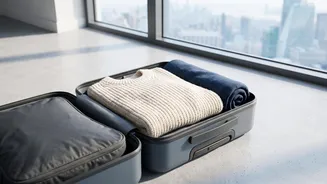
While rolling works for most clothing, it is especially effective for winter wear. Items like woollen sweaters, fleece jackets, thermals, and even some lighter down jackets, which are notoriously puffy when folded, can be tamed by rolling. Folding a thick sweater creates a large, stiff square that is difficult to pack around. Rolling that same sweater, however, transforms it into a manageable log. Some travel experts note that for extremely bulky items like a heavy parka, folding might be better, but for the essential layers that make up a winter wardrobe, rolling is king. This technique is perfect for the soft, flexible fabrics common in winter apparel.
The Correct Rolling Technique
To get the full benefits, you have to roll your clothes correctly. Simply bunching them up won't do. Start by laying the garment on a flat surface and smoothing it out to remove any existing wrinkles. For a sweater or long-sleeved shirt, fold the sleeves across the body to create a neat rectangle. Then, starting from the bottom hem or collar, roll the item as tightly as you can, squeezing the air out as you go. For trousers, fold them in half lengthwise, leg on top of leg, and then roll tightly from the waistband down. The goal is to create uniform, dense rolls that can be arranged neatly side-by-side in your bag.
Conquering the 7kg Limit
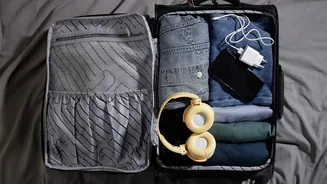
For travellers facing the strict 7kg cabin bag limit imposed by many airlines, especially low-cost carriers, every gram and cubic centimetre counts. By rolling your clothes, you can free up an estimated 20-30% more space. This newfound room isn't just for cramming in one more sweater. It means you have space for other essentials, like toiletries, electronics, or a pair of shoes. To further maximise your allowance, wear your heaviest items—like your main winter coat and bulkiest boots—on the plane. Airlines only weigh your bag, not what you're wearing, and this strategy alone can save a kilogram or more.
Beyond Rolling: Complementary Hacks
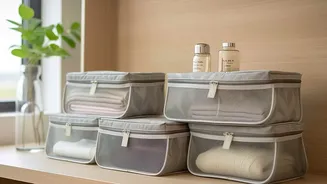
Rolling is a powerful tool, but it works best as part of a larger smart-packing strategy. Packing cubes are a game-changer, especially for winter travel. You can place your rolled clothes into packing cubes, which keeps them organised and can compress them even further. This 'roll and cube' combination prevents your carefully rolled items from unravelling and shifting during transit. Another key strategy is layering. Instead of one massive jumper, pack several thinner merino or thermal layers that can be worn together for warmth, offering more outfit versatility without the bulk.
The Wrinkle Question
A common concern is whether rolling clothes leads to more wrinkles. In fact, the opposite is often true. Folding creates hard, defined creases, while rolling avoids them. Because the fabric is gently curved rather than sharply folded, you're less likely to find deep-set lines when you unpack. This is particularly true for synthetic fabrics and woollens. For best results, make sure to smooth out any wrinkles before you start rolling; the process won't remove existing creases, but it will help prevent new ones from forming.