




A New Era in Orbit
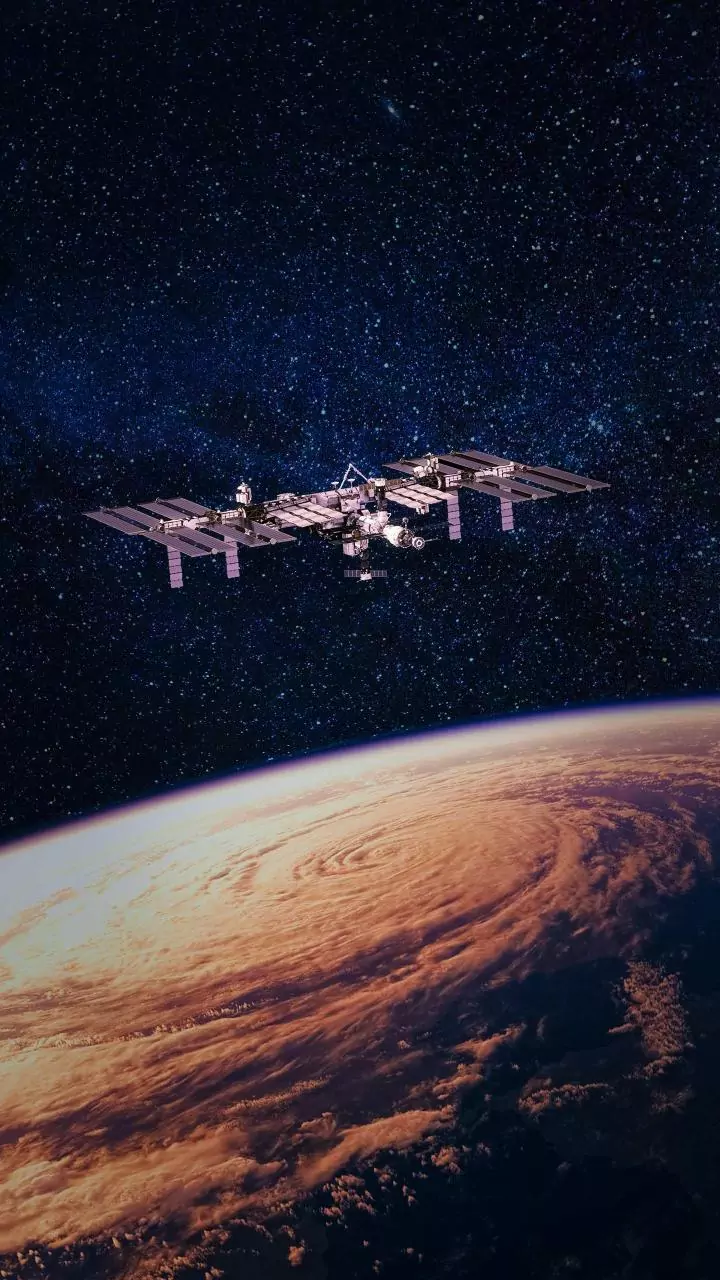
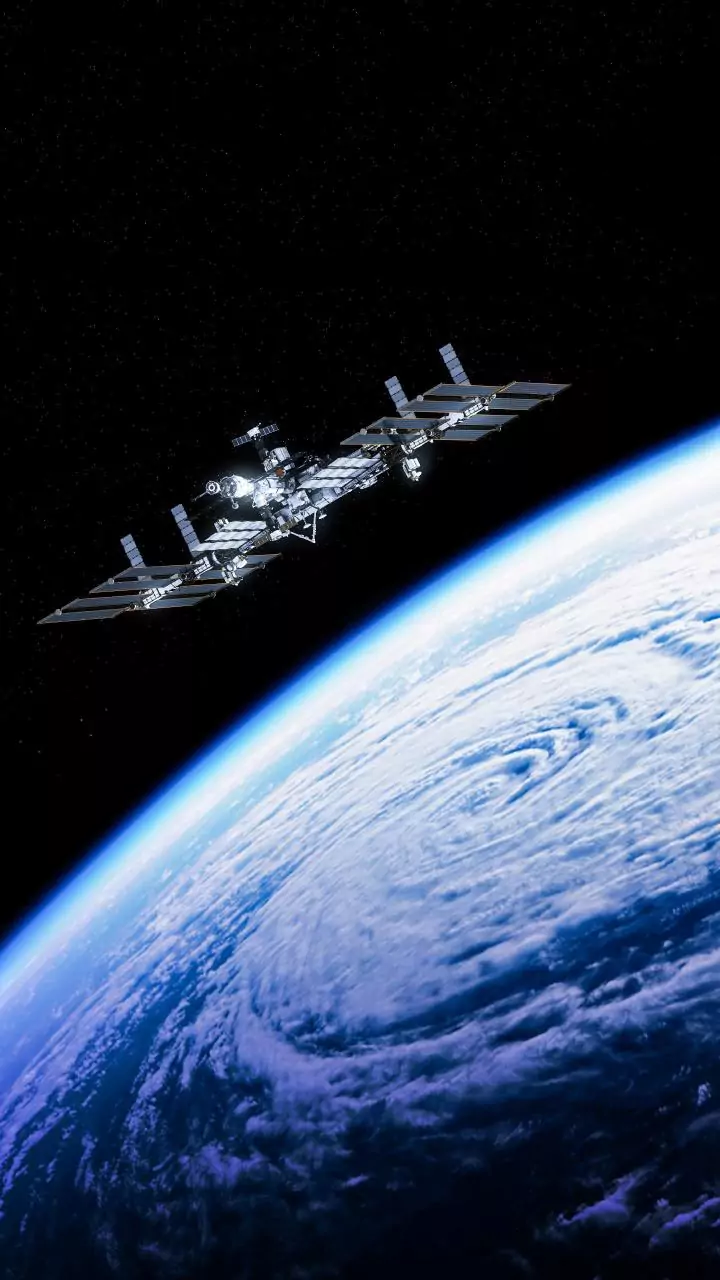
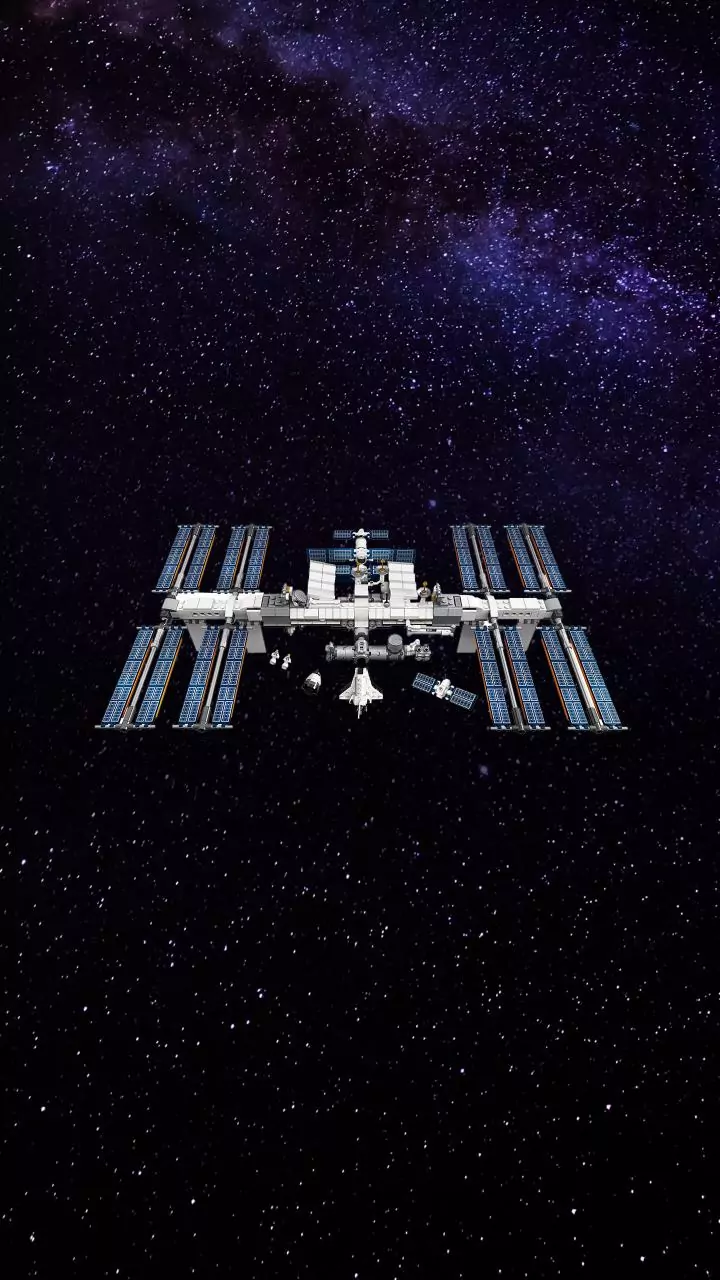
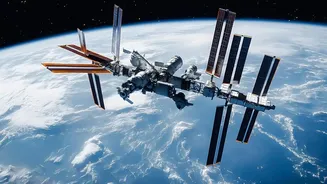
For over two decades, the International Space Station (ISS) has been humanity's lone outpost in low-Earth orbit, a symbol of global cooperation and a hub for scientific discovery. But with the ISS scheduled for retirement around 2030, a new chapter is beginning,
driven not by governments alone, but by a new breed of commercial space pioneers. Companies are moving beyond just providing launch services and are now focused on building the destinations themselves. This marks a critical shift from simply visiting space to creating a permanent, sustainable economic ecosystem in orbit. These private stations are envisioned as versatile platforms for research, manufacturing, and even tourism, creating what many are calling a new commercial marketplace in the sky.
Why Inflatable Is a Game-Changer
Building in space is incredibly expensive, largely due to the size and weight constraints of rockets. A traditional rigid module, like those on the ISS, can only be as large as the rocket's payload fairing allows. Inflatable habitats solve this problem with remarkable elegance. They launch in a highly compressed, compact state and are then expanded to their full volume once in orbit. This means a single rocket launch can deliver a habitat with significantly more interior space than a rigid module of the same mass. These are not simple balloons; they are constructed from multiple layers of advanced, high-strength fabrics like Vectran and other materials that provide protection from radiation and micrometeoroid impacts, sometimes even better than traditional aluminum walls. The result is a lighter, more cost-effective way to create large, comfortable living and working environments for astronauts.
The Companies Building the Future
Several key players are leading the charge in this new commercial space race. Sierra Space is developing its Large Integrated Flexible Environment (LIFE) habitat, a three-story inflatable structure designed to be part of the Orbital Reef station, a project co-led with Blue Origin. The company has conducted several successful full-scale burst tests with NASA, demonstrating the strength and reliability of its design. Meanwhile, the company Vast is developing Haven-1, a commercial space station planned for launch as early as 2027, which will be visited by astronauts via a SpaceX Dragon spacecraft. Other companies like Axiom Space, while primarily using rigid modules for its own station, have also been contracted to build inflatable modules, highlighting the industry-wide adoption of this flexible technology.
A Laboratory in the Stars
The primary purpose of these new commercial stations is to provide continuity for the vital scientific work currently done on the ISS. The microgravity environment of space is unique and allows for research that is impossible on Earth, where gravity influences every process. Scientists can grow purer protein crystals for drug development, create flawless semiconductor materials for advanced electronics, and experiment with bioprinting human tissues without the structures collapsing under their own weight. These private stations will offer dedicated lab space for governments, universities, and private companies to conduct this kind of groundbreaking research, potentially leading to major breakthroughs in medicine, materials science, and manufacturing.
Challenges on the Horizon
Despite the immense promise, the path to a thriving commercial ecosystem in orbit is not without its obstacles. Long-term reliability is a key concern. These inflatable habitats must prove they can withstand the harsh environment of space—including extreme temperature swings, radiation, and the ever-present threat of orbital debris—for years on end. Beyond the engineering challenges, the business model itself must be validated. These companies need to attract enough customers for research and other in-space activities to cover the immense cost of building and operating a space station. Success will depend on creating a robust market that sees tangible value and a return on investment from conducting business hundreds of kilometers above the Earth.