


A New Wave of Mindful Feasting
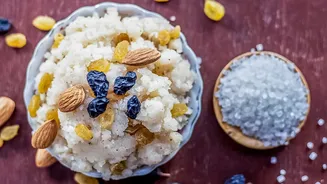
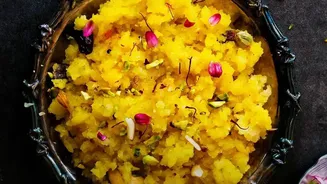
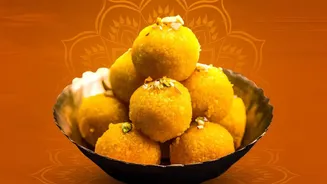
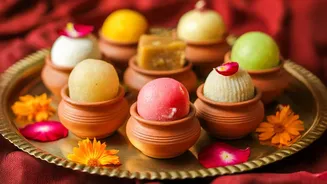
The spirit of Janmashtami has always been one of joyous abundance, with food playing a central role in the celebration of Lord Krishna's birth. Traditional offerings, or 'bhog,' often feature rich, sugary sweets like Panjiri, Makhana Paag, and various
laddoos. While these classics are beloved, a growing movement among young adults is shifting the focus towards wellness without sacrificing flavour. Driven by a greater awareness of health and dietary needs, they are exploring ways to make festive food more inclusive. This isn't about restriction but about adaptation, ensuring that everyone, including those with diabetes or who are simply watching their sugar intake, can partake in the festive treats without worry. This youth-led charge is about preserving culture by making it sustainable and relevant for modern lifestyles.
The Art of the Sweet Swap
The secret to these modern makeovers lies in swapping refined white sugar for natural alternatives that offer sweetness with added benefits. Jaggery (gud) is a frontrunner, praised for its mineral content, including iron, and its lower glycemic index compared to sugar. It imparts a rich, caramel-like flavour perfect for traditional sweets. Dates are another popular choice, providing natural sweetness along with fibre. They can be blended into a paste and used to bind laddoos or sweeten kheer. Other alternatives gaining traction include figs (anjeer), raisins (kishmish), and coconut sugar, which are valued for their nutritional profiles and gentler impact on blood sugar levels. For those seeking zero-calorie options, plant-based sweeteners like stevia and monk fruit are also being incorporated, especially in recipes like shrikhand and kheer.
Classic Prasad, Healthier Twists
So, what do these upgraded sweets look like? The changes are often simple but effective. For Dhaniya Panjiri, a staple prasad, many are reducing the amount of ghee and replacing powdered sugar with powdered jaggery or finely chopped dates. The addition of roasted makhana (fox nuts) and a generous mix of nuts and seeds enhances both texture and nutritional value. Makhana Paag, traditionally made by binding roasted fox nuts in a thick sugar syrup, is being reimagined with a jaggery-based syrup, often infused with cardamom and fennel for aroma. Laddoos are also getting a healthy update. Instead of besan or sooji laddoos loaded with sugar, many are opting for 'energy bites' made from dates, nuts, and seeds, which require no added sugar at all. Even kheer can be adapted by simmering milk with makhana or sabudana and sweetening it with date paste or a few drops of stevia, garnished with saffron and nuts.
More Than a Recipe, A Change in Mindset
This trend extends beyond simply changing ingredients. It reflects a deeper shift in how the younger generation connects with tradition. They are not discarding old customs but thoughtfully evolving them. By making prasad healthier, they are making the celebration more inclusive and ensuring that these cherished culinary traditions can be passed down through generations in a form that aligns with contemporary values of health and well-being. It’s a creative and respectful approach to culture, proving that devotion and mindful eating can go hand in hand. This Janmashtami, the offerings might be a little less sugary, but they are made with just as much love and, perhaps, a little extra thought for the well-being of the entire family.