
The Plant-Based Nutrient Puzzle
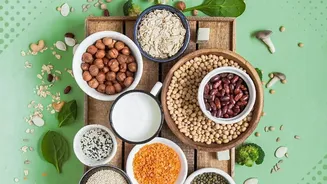
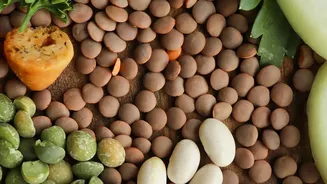
Plant-based foods like lentils, chickpeas, beans, and spinach are celebrated for their protein content. However, they are also sources of a form of iron called non-heme iron. Unlike heme iron from animal sources, non-heme iron is a bit trickier for our bodies
to absorb. This is partly due to compounds like phytates, which are naturally present in grains and legumes and can inhibit absorption. So, while you might be eating a protein-packed and iron-rich meal, your body may not be able to fully utilise all the minerals available. The goal is to unlock the full nutritional potential of these fantastic foods.
Vitamin C to the Rescue
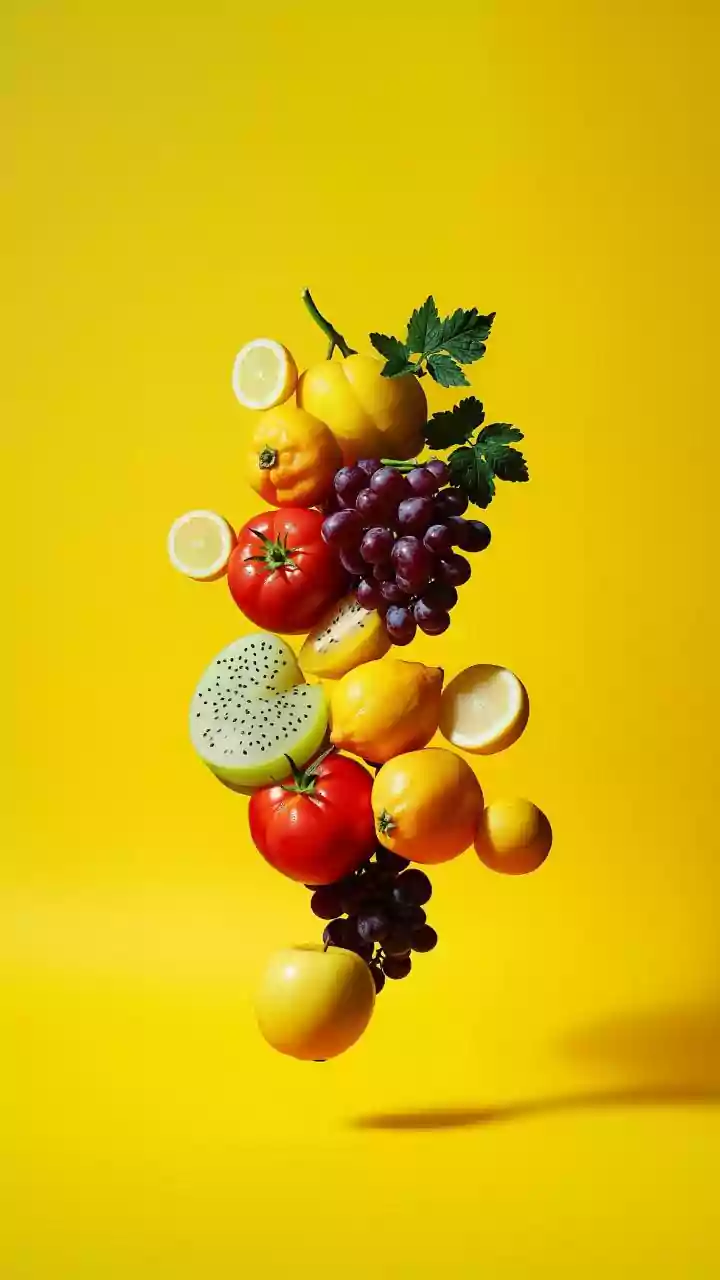
This is where vitamin C, also known as ascorbic acid, steps in as a powerful ally. Research has consistently shown that vitamin C is one of the most potent enhancers of non-heme iron absorption. It works its magic in two primary ways. First, it helps convert the iron from its less absorbable ferric (Fe³⁺) state into the more easily absorbed ferrous (Fe²⁺) state. Second, it forms a soluble compound with the iron, which keeps it available for absorption even in the alkaline environment of the small intestine and protects it from absorption-blocking inhibitors. While vitamin C doesn't directly increase the uptake of protein's amino acids, its vital role in absorbing the iron that comes packaged with plant protein is a crucial piece of the nutritional synergy puzzle.
Hack 1: The Finishing Squeeze
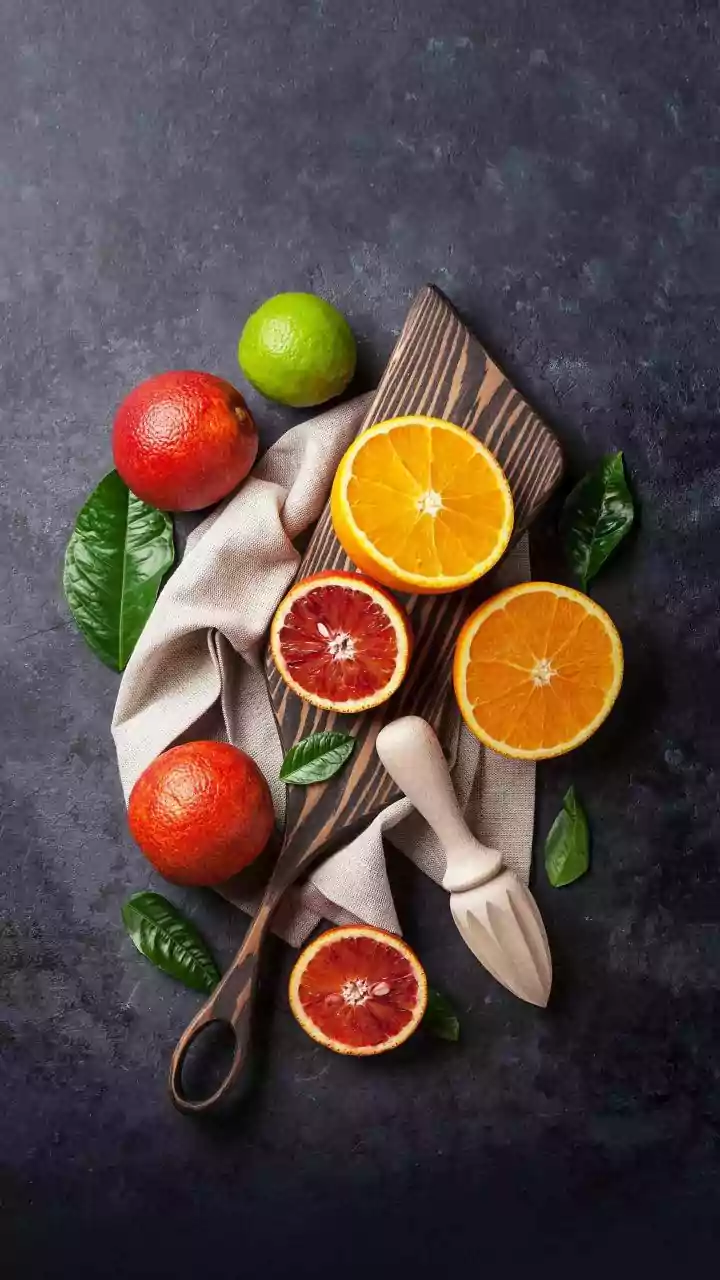
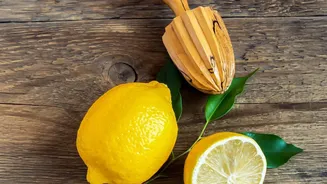
One of the easiest ways to incorporate vitamin C is to finish your dish with a squeeze of fresh citrus. A splash of lemon or lime juice over a bowl of dal, lentil soup, or black bean chilli just before serving adds brightness and a significant boost to iron availability. This simple act introduces vitamin C in its rawest, most potent form, as cooking can degrade the vitamin. Consider adding a wedge of lime to serve alongside your favourite rajma or chana masala. This traditional practice is a perfect example of nutritional wisdom in action.
Hack 2: Build a Smarter Salad
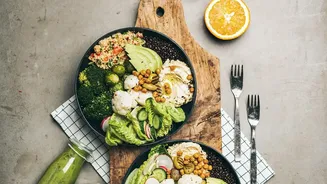
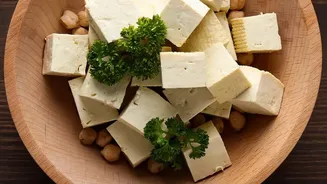
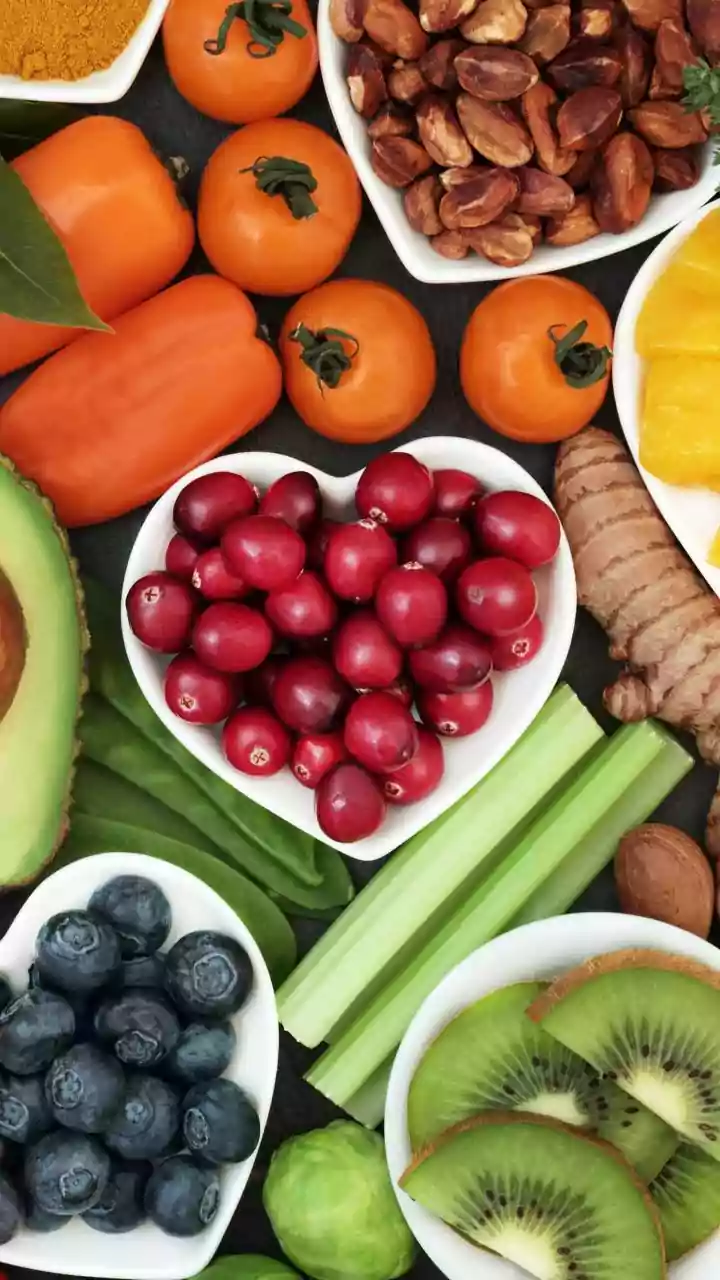
Salads are a prime opportunity for nutrient pairing. Instead of a simple green salad, transform it into a protein- and iron-rich meal by adding chickpeas, lentils, or tofu. Then, bring in the vitamin C. Rather than a creamy dressing, opt for a citrus-based vinaigrette made with fresh lemon or orange juice. You can also add vitamin C-dense ingredients directly into the mix. Think about adding sliced bell peppers (especially red ones, which are packed with vitamin C), cherry tomatoes, or even fruit like mandarin orange segments or strawberries to a spinach-based salad.
Hack 3: Supercharge Soups and Stews
Soups and stews are often built on a foundation of beans and vegetables, making them ideal candidates for a vitamin C boost. Tomatoes and their products (like paste and puree) are a great source of vitamin C and form the base of many hearty lentil or bean stews. Adding tomatoes to a wheat-based meal has been shown to significantly increase iron absorption. For an even fresher hit, stir in a handful of chopped fresh parsley or coriander at the end of cooking. These herbs not only add flavour but also contribute a surprising amount of vitamin C without much heat exposure.
Hack 4: Snack and Sip Strategically
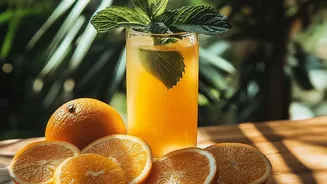
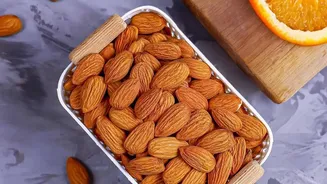
Your nutrient-pairing strategy can extend to your snacks and drinks as well. Pairing a handful of nuts or seeds, like almonds or pumpkin seeds (which contain non-heme iron), with a vitamin C-rich fruit like a kiwi, orange, or a cup of strawberries makes for a powerful combination. Instead of drinking tea or coffee with your iron-rich meals, which contain compounds that can inhibit absorption, have a small glass of 100% orange juice instead. A simple snack of hummus (made from chickpeas) with slices of red bell pepper is another delicious and effective pairing.