




An Exit Shrouded in Debate
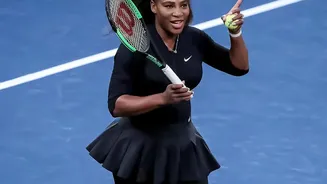
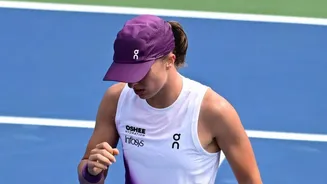
As Serena Williams' 2026 US Open campaign concluded, the narrative quickly shifted from her on-court performance to an off-court decision. Following a tough loss, reports emerged that the tennis icon skipped her mandatory post-match press conference.
Under normal circumstances, such an act incurs a significant financial penalty. However, it was soon reported that Williams would not be fined for the omission, a decision that has ignited a firestorm of debate among fans, journalists, and fellow players about whether favouritism was at play for one of the sport's most celebrated figures.
Understanding the Rules of Engagement
The Grand Slam rulebook is explicit about media obligations. Players, win or lose, are required to attend post-match press conferences within a reasonable time after their match concludes. This isn't just a suggestion; it's a contractual obligation. Failure to comply can result in a hefty fine, which can be as high as $50,000. The rules do allow for exceptions in cases of illness or injury, but tournament officials must deem the reason valid. The system is designed to ensure media access, which is seen as crucial for the sport's promotion and for keeping fans engaged. When players skip these duties, it's considered a serious breach of conduct.
A Question of Fair Play
The controversy surrounding Williams' reported exemption hinges on the principle of fairness. On one side, many argue that a player of her stature, particularly in the twilight of her career, might warrant a degree of leniency after an emotional and physically draining match. Her immense contribution to the sport, they contend, should afford her some latitude. However, critics point to a double standard. They highlight instances where other players have faced significant penalties for similar actions. Famously, Naomi Osaka was fined $15,000 at the 2021 French Open for skipping a press conference, a situation that ultimately led to her withdrawing from the tournament to protect her mental health. More recently, even Novak Djokovic was fined for missing press duties in 2020. The perception that rules are not applied equally to all competitors risks undermining the integrity of the sport's governance.
A Complicated History with the Media
This incident does not exist in a vacuum. Throughout her storied career, Serena Williams has had a complex and, at times, contentious relationship with the media. She has often been subjected to a level of scrutiny and criticism that many of her peers have not faced. From questions about her on-court intensity to discussions about her appearance and conduct, the press has been both a vehicle for her global stardom and a source of immense pressure. This history adds a layer of complexity to her decision to skip media duties. For some observers, it is another example of an athlete setting necessary boundaries. For others, it’s a continuation of a pattern of challenging the sport’s established norms, a trait that has defined much of her powerful legacy.
The Bigger Picture for Player-Media Relations
Beyond the specifics of this one incident, the debate opens up a larger conversation about the obligations of modern athletes. The demands on top players are immense, extending far beyond the court. While media engagement is vital for the ecosystem of professional sports, the conversation around player mental health has forced a re-evaluation of how rigid these obligations should be. The situation with Williams, much like the one with Osaka, forces governing bodies to confront a difficult balancing act: how to uphold their rules and media commitments while also showing compassion and understanding for the human beings at the center of the spectacle. There are no easy answers, and different sports have handled it with varying degrees of success, with athletes like the NFL's Marshawn Lynch famously facing repeated fines for his refusal to engage.