








Decoding the 'Clean Label' Movement
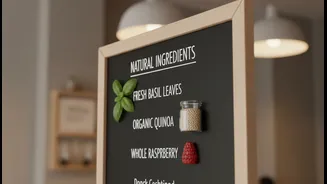
The term ‘clean label’ has moved from niche health food stores to mainstream café counters. At its heart, it’s a demand for transparency and simplicity. Consumers, particularly Gen Z and millennials, want to buy products with short, understandable ingredient
lists. They are looking for food and drinks that are free from artificial additives, colours, flavours, and preservatives. This isn't about extreme dieting, but rather a conscious choice to consume foods that are minimally processed and made with recognisable, natural components. It reflects a broader cultural shift where consumers want to know the story behind their food, from sourcing to production.
The Ingredient Hit List
So, what are these discerning customers looking to avoid? The primary red flags include artificial sweeteners like aspartame and sucralose, which are often found in 'sugar-free' options. High-fructose corn syrup, a common sweetener in many commercial syrups and pre-mixes, is another major concern. Artificial colours, such as Red 40 and Yellow 5, which are used to make drinks look more vibrant, are also being rejected due to potential health concerns. Furthermore, there’s a growing suspicion around 'added flavours'. These vague terms can hide a cocktail of chemicals, like propylene glycol, which is used as a solvent to carry aromas in flavoured coffees but is otherwise found in industrial applications. Preservatives and unpronounceable chemical names on a label are immediate turn-offs for this new generation of café-goers.
Why the Sudden Scrutiny?
This trend is fueled by a deeper desire for wellness and control. For many young Indians, food and drink choices are an extension of their identity and lifestyle. Growing up with unlimited access to information, they are more likely to research ingredients and question what brands tell them. Social media plays a huge role, with wellness influencers and health-focused content flooding platforms like Instagram, making ingredient awareness a part of the daily conversation. This generation cares about how food makes them feel, focusing on energy levels and digestive wellness over just counting calories. The clean label movement is also about values; it’s a vote for transparency and a rejection of opaque corporate practices.
How to Screen Your Drink Like a Pro
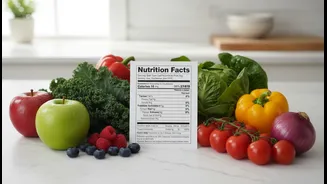
Practising clean label eating at a café doesn’t have to be intimidating. It starts with simple questions. Don't hesitate to ask the barista what brand of syrup they use or if their chai mix is pre-sweetened. Many cafés, especially smaller, independent ones, are proud of their sourcing and happy to share details. For pre-packaged drinks, take a moment to read the label. Look for a short ingredient list with names you recognise. When it comes to sweeteners, opt for natural alternatives. Ask if they can sweeten your drink with honey, pure maple syrup, or jaggery instead of refined sugar or artificial syrups. Simple swaps, like choosing a classic latte with oat milk over a complex flavoured Frappuccino, can also make a big difference.
How Cafés Are Responding
The café industry is taking note of this powerful consumer shift. Many are adapting their menus to cater to these new demands. Plant-based milks like oat, almond, and soy are now standard offerings, not just niche alternatives. Some cafés are making their own syrups in-house using natural ingredients to avoid preservatives and artificial additives. The rise of smaller, artisanal cafés in Indian cities is partly driven by this trend, as they often focus on quality ingredients and a transparent 'bean-to-cup' philosophy. A few are even embracing DIY formats, where customers can mix their own drinks, giving them complete control over every ingredient. This evolution shows that the demand for clean, honest food is not just a passing fad but a permanent fixture of modern café culture.