






The Silent Crisis in Our Soils
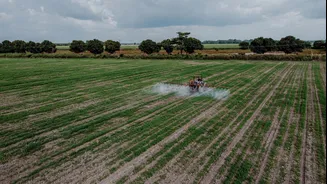
For decades, intensive farming has pushed for higher yields. While successful, this has often come at a cost to the soil itself. The continuous and sometimes excessive use of chemical fertilisers and pesticides can lead to problems like increased salinity,
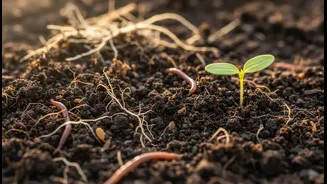
soil hardening, and a decrease in the soil's natural ability to hold nutrients. This creates what experts call “challenging farmland”—land that is degraded, less fertile, and more vulnerable to environmental stresses like drought. For a nation where agriculture is a cornerstone of the economy, finding ways to restore the long-term health of our soil is not just an environmental issue, but a critical business imperative.
Meet Nature’s Tiny Engineers
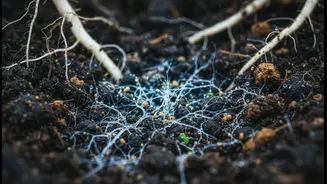
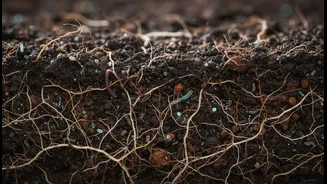
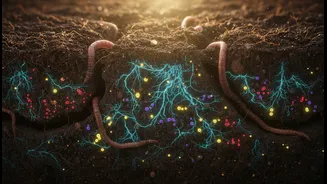
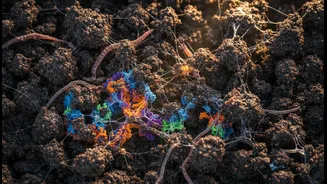
The secret to reviving this land isn't a new chemical, but a living ecosystem. A single handful of healthy soil teems with billions of microscopic organisms, including bacteria, fungi, and protozoa. This complex community is known as the soil microbiome. For centuries, these microbes have acted as nature's own agricultural engineers. They break down organic matter, turning it into essential nutrients that plants can absorb, like nitrogen and phosphorus. They also build a better soil structure, which improves water retention and aeration, and they can protect plants from diseases by outcompeting harmful pathogens.
How Microbes Work Their Magic
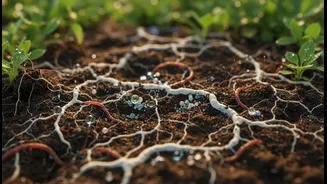
The way microbes assist plants is a marvel of natural synergy. Some bacteria, like Rhizobium, form partnerships with crops to 'fix' nitrogen from the atmosphere, making it available to the plant and reducing the need for synthetic nitrogen fertilisers. Others, such as Bacillus and Pseudomonas species, produce acids that dissolve phosphorus locked up in soil particles, making this vital nutrient accessible to plant roots. Mycorrhizal fungi act as an extension of the plant's root system, reaching further into the soil to find water and nutrients, which is especially crucial during droughts. Recent research has even shown that certain bacteria can help plants withstand high-salinity soils by stimulating them to produce more lignin, a compound that strengthens their cell walls and acts as a natural shield.
From the Lab to the Land
This science is moving from the laboratory to the farm in the form of microbial inoculants—think of them as probiotics for plants. These products contain specific, beneficial live microorganisms and can be applied to seeds, roots, or the soil directly. The goal is to reintroduce or boost the populations of these helpful microbes. The market for these bio-fertilisers is growing in India and globally, driven by a push for more sustainable farming practices. However, challenges remain. The effectiveness of an inoculant can vary based on soil type, climate, and existing microbes in the field. Ensuring the quality and consistency of these living products from production to application is key to winning the trust of farmers.
A 'MicroGreen Revolution' for India
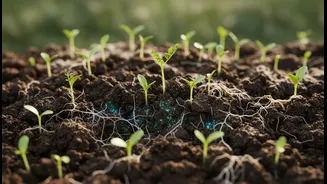
Harnessing the power of the soil microbiome offers tremendous promise for Indian agriculture. By rejuvenating soil health, these tiny organisms can help create more resilient farms that are less dependent on chemical inputs. The potential benefits are significant: reduced fertiliser costs for farmers, improved crop yields, better tolerance to drought and salinity, and healthier food. This shift is part of a larger trend toward regenerative agriculture, a holistic approach that aims to restore ecosystems rather than deplete them. Experts are heralding this as a potential “MicroGreen Revolution,” a new chapter in farming that is driven by biology and a deeper understanding of the natural world.