




The Elephant in the Showroom: Battery Costs
For the average Indian buyer, the upfront cost of an electric vehicle is a significant barrier. A large part of this expense comes directly from the battery pack, which can account for a substantial portion of the total vehicle price. Currently, the industry
relies on lithium-ion batteries. While effective, the raw materials like lithium and cobalt are not only expensive but also have geographically concentrated supply chains, exposing manufacturers to price volatility and geopolitical risks. This reliance has kept EV prices stubbornly high, especially for the budget-conscious segments that dominate the Indian market. A more affordable battery is not just a 'nice-to-have'; it's the key to unlocking mass EV adoption.
Enter Sodium-Ion: The Affordable Alternative
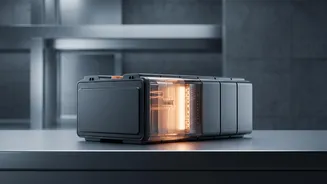
This is where sodium-ion (Na-ion) batteries come in. The core principle is similar to lithium-ion, but they use sodium ions as charge carriers. The biggest advantage is the raw material itself. Sodium is the sixth most abundant element on Earth, found readily in seawater and the Earth's crust, making it significantly cheaper than lithium. This abundance means the cost of raw materials for a Na-ion battery can be dramatically lower. Some projections estimate that at scale, sodium-ion batteries could be up to 30% cheaper than their lithium-ion counterparts, which could translate to a significant reduction in the final price of an EV.
Performance vs. Price: Understanding the Trade-Offs
While the cost savings are compelling, sodium-ion technology does come with trade-offs. The primary challenge is lower energy density, meaning Na-ion batteries are generally heavier and bulkier than lithium-ion batteries for the same amount of energy stored. This could limit their initial use in high-performance, long-range passenger cars where weight is a critical factor. However, they offer other benefits, such as better thermal stability, which enhances safety, and strong performance in a wide range of temperatures. Furthermore, many newer sodium-ion designs boast impressively fast charging times and a long cycle life, making them highly durable.
An Indian Solution for an Indian Market
The characteristics of sodium-ion batteries make them particularly well-suited for India's mobility landscape. Their cost-effectiveness is a perfect match for the country's massive two- and three-wheeler market, where range anxiety is less of a concern and price is paramount. Several Indian companies are already making significant strides in this space. Pune-based KPIT Technologies has developed its own Na-ion battery technology, claiming it can reduce battery costs by 25-30%. Another innovator, Indi Energy, is creating sodium-ion batteries using hard carbon derived from agricultural waste, tackling both energy and environmental challenges simultaneously. These domestic efforts, along with Reliance's acquisition of UK-based firm Faradion, signal a strong push towards localising the battery supply chain and reducing import dependency.
Challenges on the Road Ahead
Despite the immense potential, widespread adoption isn't guaranteed overnight. The technology is still in the early stages of commercialisation, and a major challenge is scaling up manufacturing to achieve the promised cost benefits. While the raw materials are cheap, the infrastructure for producing battery-grade sodium components is still developing. For now, the technology is seen as a complement to lithium-ion rather than a direct replacement for all applications. Hybrid battery packs, combining the energy density of lithium with the cost and fast-charging benefits of sodium, might be an intermediate step for some vehicle types.