





What Is Scatter Feeding?
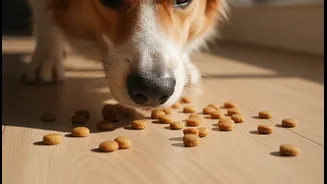
Scatter feeding is the practice of spreading your pet's food across an area instead of serving it in a bowl. This encourages them to use their nose and brain to find each piece, mimicking how their ancestors would have foraged for food in the wild. The
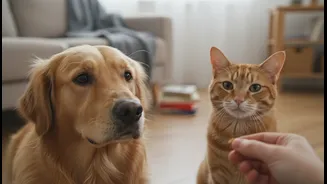
concept is simple: by scattering kibble in your garden, on a special mat, or even just around a room, you transform a routine meal into a stimulating game. This method can be used with a variety of animals, including dogs, cats, rabbits, and guinea pigs, with adjustments for each species.
The Mental and Physical Benefits
The primary benefit of scatter feeding is mental stimulation. Searching for food engages a pet's brain, helping to prevent boredom and the destructive behaviors that can come with it, such as chewing or excessive barking. This activity taps into their powerful sense of smell and problem-solving skills, which can be incredibly satisfying for them. Sniffing and foraging are natural behaviors that can have a calming effect, helping to reduce anxiety and lower arousal levels in hyperactive or stressed pets. Beyond the mental boost, scatter feeding also has physical advantages. For pets that eat too quickly, scattering their food forces them to slow down, which can improve digestion and reduce the risk of serious conditions like choking or bloat. It also encourages gentle physical activity as they move around to find their meal, which can contribute to weight management.
How to Get Started Safely
Starting with scatter feeding is easy and requires no special equipment. You can begin indoors by scattering a portion of your pet's dry food on the floor, a towel, or a dedicated 'snuffle mat' designed for this purpose. For outdoor sessions, a clean patch of your own lawn is a great place to start, but ensure the area is free from pesticides or poisonous plants. To begin, you might use a verbal cue like "find it" as you toss the food to help your pet understand the game. Start in a small, simple area and gradually increase the difficulty by spreading the food further apart or hiding it in more challenging locations as your pet gets better at the game. For some very food-motivated or frustrated dogs, it might be better to give them a portion of their meal in a bowl first, then use the rest for scattering.
Important Safety Considerations
While scatter feeding is beneficial, there are important safety points to consider. If feeding outdoors, always check the area for hazards like poisonous plants, chemicals, or parasites. In multi-pet households, it's crucial to supervise feeding times to prevent food guarding or competition between animals. If you have a dog with resource-guarding issues, this may not be the right activity, or it should be done with extreme care. When scatter feeding in public spaces, be mindful of other dogs and people. It's best to use a long lead and find a quiet area to avoid conflict or another dog eating food that isn't for them. Finally, only use your pet's regular, healthy food for scatter feeding. It's an alternative way to serve a meal, not an excuse to give them excessive unhealthy treats.