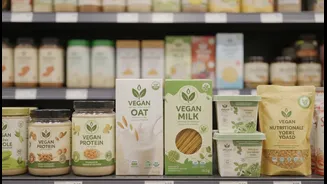







What Exactly Are the New Rules?
The Food Safety and Standards Authority of India (FSSAI) has introduced the Food Safety and Standards (Vegan Foods) Regulations, which mandate a new, standardized logo for all certified vegan products. The logo features a green 'V' with a small leaf sprouting
from it, enclosed in a square and accompanied by the word 'VEGAN'. This regulation, set to be mandatory from July 1, 2027, goes beyond just a symbol. To earn this logo, brands must prove their products contain no ingredients, additives, or processing aids of animal origin. This strict definition excludes not only meat and eggs, but also dairy, honey, and less obvious animal-derived substances like certain food colourings or clarifying agents.
Why This Change Was Necessary
For years, Indian consumers have relied on the green dot for vegetarian products and the brown dot for non-vegetarian ones. However, this system doesn't serve the needs of vegans. A product can be vegetarian (green dot) but still contain milk, ghee, or honey, making it unsuitable for a vegan diet. With the market for plant-based alternatives booming, consumer confusion has grown. Vague claims like 'plant-based' or 'dairy-free' were used without a common standard, making it hard for shoppers to trust the label. The new regulations were introduced to curb misleading claims, improve transparency, and build consumer confidence in the growing vegan market.
The End of Ambiguous Claims
The headline's mention of 'precise claims' gets to the heart of the matter. Under the new framework, a brand can't simply decide to call its product vegan. Food Business Operators (FBOs) must now apply to FSSAI for the right to use the logo. This process involves submitting detailed documentation, including the source of every ingredient and proof that the product has not been tested on animals. Strict measures must also be in place to prevent cross-contamination with non-vegan substances during production, especially on shared equipment. This places the burden of proof squarely on manufacturers, ensuring the logo represents a verified, traceable, and genuinely vegan product.
Impact on Brands and Businesses
For businesses, these rules demand a higher level of diligence. Manufacturers, importers, and marketers of vegan products must now navigate a formal approval process. They need to ensure their entire supply chain—from raw ingredients to processing aids—is free from animal derivatives. While this requires significant effort and investment in compliance and testing, it also helps legitimate vegan brands stand out. By creating a level playing field, the regulation protects genuine vegan companies from competitors making unsubstantiated claims. The transition period until July 2027 gives businesses time to update their packaging and processes to meet the new standards.
What This Means for Shoppers
Ultimately, the biggest winner is the consumer. The FSSAI's vegan logo will act as a clear, trustworthy symbol on packaging. Instead of spending time deciphering long and complex ingredient lists, shoppers will be able to identify certified vegan products at a glance. This is especially important for those with dairy allergies or who follow a vegan lifestyle for ethical, environmental, or health reasons. The regulation empowers consumers to make informed choices with greater confidence, knowing that the product they are buying has met a stringent, government-defined standard for what it means to be vegan.