


1. Perform a Pre-Monsoon Vehicle Health Check
Before the downpours intensify, it’s crucial to ensure your vehicle is in optimal condition. Your first line of defence is a clear view of the road, so inspect your wiper blades. If they are worn, cracked, or leave streaks, replace them immediately. Also,
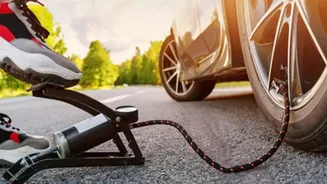
top up your windshield washer fluid to clear away mud and grime splashed by other vehicles. Good tyres are non-negotiable for wet roads. Ensure your tyres have adequate tread depth—at least 3mm is recommended—to prevent hydroplaning, where your car loses contact with the road and skids on a layer of water. Check that your brakes are responsive; wet conditions can reduce their efficiency. Finally, test all your lights: headlights, taillights, brake lights, and turn signals. Proper lighting is essential for seeing and being seen in low-visibility conditions.
2. Master Driving in Heavy Rain
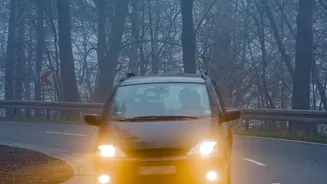
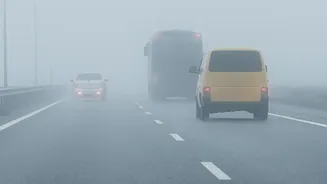
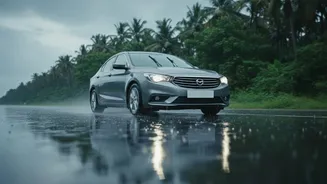
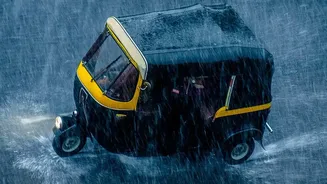
When visibility is poor during a heavy shower, the most important rule is to slow down. Speeding on wet roads significantly increases your risk of skidding and hydroplaning. Maintain at least double the usual following distance from the vehicle in front of you, as braking distances are much longer on slippery surfaces. Turn on your low-beam headlights, even during the day. This not only helps you see the road better but, more importantly, makes you more visible to other drivers. Avoid using high beams, which can reflect off the raindrops and impair the vision of oncoming traffic. It is also a common mistake to turn on hazard lights while moving; these should only be used when your vehicle is stationary or in an emergency, as they can confuse other drivers about your intentions.
3. Navigate Waterlogged Roads with Extreme Care
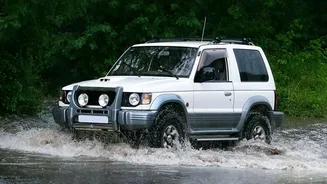
Encountering a flooded street can be intimidating, and often the safest option is to find an alternate route. If you must proceed, first try to judge the water’s depth. As a rule, avoid driving through water that is deeper than the centre of your wheels. If you decide to cross, drive slowly and steadily. Entering the water at a very low speed (1-3 km/h) and then accelerating slightly to around 5-6 km/h helps create a 'bow wave' in front of your car, which can prevent water from flooding the engine bay. Try to stay in a low gear and keep your engine revs consistent but not high; revving too high can increase the risk of water being sucked into the engine. If your car stalls in water, do not attempt to restart it, as this can cause severe and permanent engine damage, known as hydrostatic lock. It's safer to abandon the vehicle if you can do so safely and move to higher ground.
4. Ensure Maximum Visibility at All Times
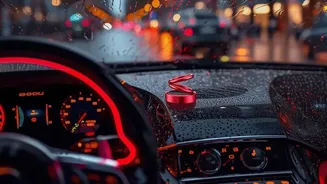
A clear view from the driver's seat is paramount. Monsoon humidity often causes windshields to fog up. Use your car’s air conditioning and defogger settings to clear condensation effectively. Blasting the fan at the glass can sometimes make it worse; instead, the AC acts as a dehumidifier to balance the temperature and moisture inside the cabin. Keep both the inside and outside of your windshield and windows clean. Dirt and oil can cause light to scatter and worsen visibility, especially at night. A clean car exterior isn't just for looks; it ensures mud and grime don't obscure your vision or lights. Applying a water-repellent product to your windshield can also be a great help, causing rain to bead up and roll off easily.
5. Be Prepared for Emergencies
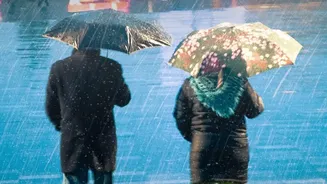
Even with careful planning, unexpected situations can arise. It’s wise to keep an emergency kit in your car. This should include a tow rope, a first-aid kit, a torch with extra batteries, a toolkit, and a reflective warning triangle. Ensure your phone is fully charged before you leave, and keep a charger or power bank in the car. It is also a good practice to keep your fuel tank at least half full; you may need to take longer detours or could get stuck in traffic for extended periods. If you find yourself in a situation where you need to pull over, especially on a highway, find a safe spot away from traffic and turn on your hazard lights to alert other drivers that you are stopped. Remember to be extra considerate of pedestrians and two-wheeler riders, who are more vulnerable in bad weather.