

The Human Redundancy Protocol
The most visible layer of safety is the presence of two highly trained pilots, but their roles are more than just a simple backup. In any given flight segment, they adopt distinct but complementary duties: the Pilot Flying (PF) and the Pilot Monitoring
(PM). The PF is responsible for actively manipulating the aircraft's controls, either by hand or by managing the autopilot. The PM's role, once called the "Pilot Not Flying," was updated to reflect its active nature. This pilot oversees the PF's actions, handles radio communications, monitors flight instruments, and runs through checklists. This division of labour ensures that one pilot is always flying the plane while the other is verifying its course and system health, creating a powerful system of cross-checking that catches potential errors before they escalate.
Crew Resource Management
This collaborative dynamic is formalized through a concept known as Crew Resource Management (CRM). Originating from accident analyses in the late 1970s, CRM is a framework that emphasizes effective communication, teamwork, and decision-making under pressure. It empowers pilots, regardless of rank, to voice concerns and challenge actions if they notice something amiss. This philosophy flattens the traditional cockpit hierarchy, fostering an environment where the First Officer (acting as PM, for example) can question a Captain's decision without hesitation. CRM extends beyond the cockpit to include flight attendants, maintenance crews, and air traffic controllers, ensuring all available human resources are used to maintain safety. This structured teamwork is crucial for managing workload and maintaining situational awareness, especially during emergencies.
Duplicate Systems and Controls
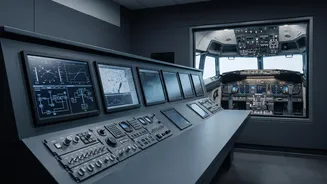
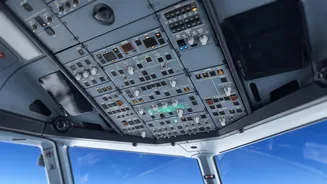
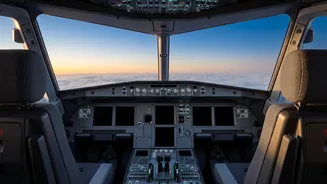
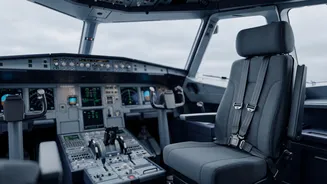
Beyond the human element, the cockpit is physically built for redundancy. Key flight instruments, displays, and control systems are duplicated. Each pilot has their own primary flight display, showing critical information like attitude, altitude, and airspeed. Should one display fail, the other remains fully functional. This principle extends to hydraulic systems, flight computers, and power sources. Modern airliners often have three independent hydraulic systems; the aircraft can be safely flown even if two fail. Similarly, multiple flight computers process data independently. If one provides a faulty output, the others can overrule it, ensuring the integrity of the flight controls. This ensures that no single component failure can lead to a catastrophic loss of control.
Fail-Safe and Fail-Operational Design
The philosophy of redundancy is embedded in two core engineering principles: fail-safe and fail-operational design. A fail-safe system is designed to default to a safe state upon failure. For instance, if a non-critical component malfunctions, it might shut down to prevent causing further problems. A fail-operational system, however, is designed to continue functioning even after a component fails, which is crucial for systems essential to continued flight. An aircraft's flight control system is fail-operational, allowing pilots to maintain control even with partial system failures. In an emergency, a Ram Air Turbine (RAT) can deploy to provide essential hydraulic and electrical power if all engines fail, another example of a system designed to keep the aircraft operational in a degraded state.
A Sterile Environment for Critical Phases
To protect this carefully managed system from distraction, aviation authorities enforce the "Sterile Cockpit Rule." This regulation prohibits crew members from engaging in any non-essential activities or conversations during critical phases of flight, which includes taxiing, takeoff, landing, and all operations below 10,000 feet. The rule was introduced in 1981 after accident investigations revealed that distracted crews had made critical errors. By mandating a strict focus on flight-related duties during high-workload periods, the rule ensures that both pilots' attention is directed entirely toward the safe operation of the aircraft.