






The Soul of the Tea Leaf
Let’s start with the base: single-estate orthodox tea. Unlike blended teas, which combine leaves from multiple gardens for a consistent but often generic taste, single-estate tea comes from one specific garden. This means it carries a unique flavour profile
shaped by its specific soil, climate, and altitude—a concept known as terroir. The 'orthodox' part refers to the traditional, painstaking method of processing where whole tea leaves are carefully rolled to preserve their delicate structure and nuanced flavours. This is in stark contrast to the common CTC (Crush, Tear, Curl) method used for most mass-market tea bags, which produces a strong, brisk, and somewhat generic brew designed for adding milk. Orthodox teas, with their complex and aromatic character, are meant to be appreciated on their own.
Introducing the Queen of Herbs
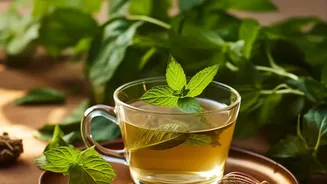
Now, enter Tulsi, also known as Holy Basil. Revered in India for thousands of years and a cornerstone of Ayurvedic tradition, Tulsi is celebrated as “The Queen of Herbs”. It’s an adaptogen, a class of herbs believed to help the body adapt to physical and mental stress. Beyond its wellness credentials, Tulsi brings a wonderfully complex aroma and flavour to the mix—often described as warm, peppery, and slightly minty, with floral and citrus undertones. It is naturally caffeine-free and has a calming effect, making it a perfect partner for tea. Its inclusion isn't just for show; it introduces an entirely new layer of aromatic depth that complements the tea rather than competing with it.
The Gentle Art of Cold Brewing
The magic that ties these two premium ingredients together is the method: cold brewing. Instead of steeping in hot water, the tea and herbs are infused in cold or room-temperature water for an extended period, typically 6 to 12 hours. This slow, gentle extraction process fundamentally changes the drink's chemistry. Hot water quickly pulls out tannins and catechins, which are responsible for the bitter and astringent notes in over-steeped tea. Cold water, however, extracts these compounds much more slowly, resulting in a beverage that is exceptionally smooth, naturally sweeter, and remarkably less bitter. This method also preserves the delicate, volatile aromatic compounds in both the orthodox tea and the Tulsi, creating a drink with a much fresher and more nuanced fragrance.
A Perfect Flavour Marriage
So, why is this combination so perfect for summer? It's all about synergy. The cold brew method provides the ideal stage for both the single-estate tea and Tulsi to shine. The delicate, layered notes of a high-quality orthodox tea—be they floral, fruity, or malty—are fully expressed without being masked by bitterness. The gentle extraction coaxes out the tea's natural sweetness. At the same time, the complex, spicy-sweet aroma of Tulsi is beautifully preserved, infusing the brew with its restorative and fragrant character. The result is a drink that is incredibly smooth, profoundly aromatic, and deeply refreshing. It’s a sophisticated flavour experience that tastes clean and pure, often requiring no added sugar at all. It’s the kind of drink you can sip all afternoon, feeling both refreshed and restored.
Your Guide to the Ultimate Summer Infusion
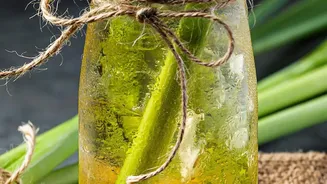
Making this sublime summer drink at home is beautifully simple. You'll need a large glass jar or pitcher. For every litre of cold, filtered water, use about 2 to 3 teaspoons of loose-leaf single-estate orthodox tea and 1 to 2 teaspoons of dried Tulsi leaves (or a handful of fresh leaves). Simply combine the tea, Tulsi, and water in your jar. Give it a gentle stir, cover it, and place it in the refrigerator. Let it steep for 8 to 12 hours. The exact time depends on the tea and your preference, so feel free to taste it after 8 hours. Once it has reached your desired strength, strain the leaves and herbs out. Serve the cold brew over ice, perhaps with a slice of lemon or a sprig of fresh mint. The brew will keep in the fridge for a few days, ready for whenever you need a moment of cool, delicious calm.