






From Gloss to Health: An Evolving Ideal
For years, the glass skin trend was defined by a multi-step routine aimed at creating a reflective, flawless surface. This often involved layers of toners, essences, and serums to maximize hydration and shine. However, a growing awareness among dermatologists
and consumers is shifting the focus. Experts began to notice that the aggressive pursuit of this look, often involving over-exfoliation and the overuse of active ingredients, could lead to a compromised skin barrier. What appeared as a desirable 'glow' was sometimes a sign of inflammation and stress. This has led to a collective pivot from chasing a cosmetic effect to building genuine skin resilience.
Why Your Skin Barrier Is the New Focus
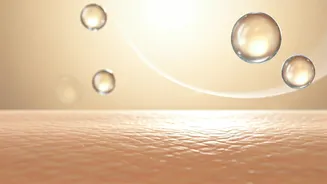
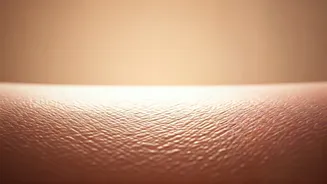
Think of your skin barrier as the gatekeeper. This outermost layer of skin, the stratum corneum, has two crucial jobs: to keep moisture in and to keep irritants, pollutants, and bacteria out. When it's healthy, your skin looks smooth, calm, and hydrated. But when it's damaged—often by harsh cleansers, over-exfoliation with acids, or environmental factors—it can no longer function effectively. This leads to symptoms like dryness, redness, sensitivity, and even breakouts. The new philosophy behind glass skin acknowledges that a truly luminous complexion is impossible without a strong, intact barrier. The glow must come from health, not just from layers of product.
Key Ingredients for Barrier Repair
Building a repair-focused routine means choosing the right ingredients. Instead of stripping the skin, these components work to replenish and strengthen it. Look for products that contain: Ceramides: These are lipids (fats) that are naturally found in the skin and make up about 50% of the barrier. Adding them back into your routine helps fill in the gaps between skin cells, locking in moisture. Niacinamide: Also known as Vitamin B3, this powerhouse ingredient helps the skin produce its own ceramides. It's also known for reducing redness and regulating oil production. Centella Asiatica (Cica): This plant extract is renowned for its calming and healing properties, helping to soothe irritation and promote skin regeneration. Peptides: These amino acid chains are the building blocks of proteins like collagen and help with skin repair and firmness. * Squalane & Hyaluronic Acid: While squalane provides gentle, non-greasy moisture that mimics the skin's natural oils, hyaluronic acid acts as a humectant, drawing water into the skin for deep hydration.
Your New Repair-Focused Routine
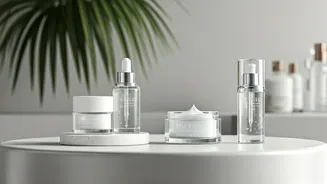
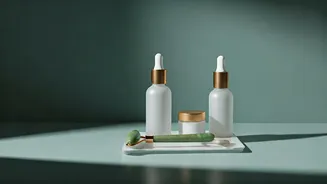
Adopting a barrier-first approach doesn't mean you need a complicated 10-step routine. In fact, simplifying is often the first step to recovery. Start with a gentle, pH-balanced cleanser that doesn't leave your skin feeling tight or stripped. Follow with a hydrating toner or essence, and then apply a targeted serum containing ingredients like niacinamide or peptides to damp skin. The most crucial step is a quality moisturizer rich in ceramides, squalane, or other lipids. This step reinforces the barrier and seals in the hydration from previous steps. Finally, never skip sunscreen in the morning; it protects your skin and all the repair work you've put in from UV damage.
Patience Is Part of the Process
Repairing a damaged skin barrier doesn't happen overnight. While some improvement in dryness or irritation may be noticeable within a few days, it can take anywhere from two to four weeks, or even longer, for the barrier to fully recover. During this healing phase, it's wise to pause the use of harsh active ingredients like high-strength retinoids and exfoliating acids. Consistency is key. A simple, supportive routine used daily will deliver better long-term results than an aggressive, trend-chasing one. The ultimate goal has shifted from a temporary, reflective surface to skin that is fundamentally healthy, resilient, and comfortable.