





The Scale of the Leakage
The numbers are almost difficult to comprehend. Estimates suggest that India loses up to 40% of its total food production annually before it reaches the end consumer. This isn't about food thrown away in households; this is 'food loss' that happens at the farm,
during transit, and in storage. For highly perishable goods like fruits and vegetables, this figure can be even higher. The economic cost of this loss is estimated to be over ₹1.5 lakh crore every year. This represents a massive drain on resources—wasted water, labour, and land—for food that nourishes no one and often ends up rotting, releasing harmful methane gas.
Plugging the Gaps: What are Abatement Strategies?
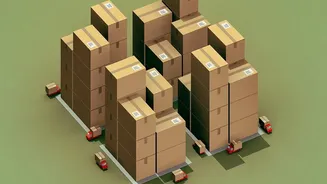
Food loss abatement strategies are simply the solutions designed to plug these leaks in the supply chain. The most critical among these is building a robust 'cold chain'—an uninterrupted network of refrigerated storage and transportation. This includes pre-cooling facilities at the farm gate, refrigerated trucks (reefer vehicles) for transport, and modern cold storage warehouses. Beyond the cold chain, strategies involve scientific warehousing with better moisture and pest control, improved handling and packaging practices, and digital platforms that connect farmers directly to buyers, reducing delays and the number of intermediaries.
Connecting Farm to Urban Fork
So how does improving a warehouse in a rural area lead to more vegetables in a Mumbai market? The connection is direct. When post-harvest losses are reduced, more of the original harvest survives the journey. A truck that once delivered 70% of its produce in good condition can now deliver 95% or more. This increase in supply is not due to growing more food, but by simply preserving what has already been grown. An efficient cold chain extends the shelf life of perishable items, allowing them to travel longer distances from diverse agricultural zones to high-demand metros without spoilage. This creates a larger and more consistent pool of available food for urban consumers.
Beyond Availability: The Ripple Effects
The benefits extend far beyond just having more food on the shelves. A more efficient and less wasteful supply chain leads to greater price stability. When seasonal gluts and shortages are smoothed out by better storage, consumers face fewer extreme price spikes. Farmers also benefit significantly. With access to proper storage, they are no longer forced into 'distress sales' immediately after harvest when prices are at their lowest. They can store their produce and sell it when the price is more favourable, leading to better incomes. Furthermore, the quality of the food that reaches the city is higher, retaining more of its nutritional value and freshness.
Putting Theory into Practice
Recognising the immense potential, there is a growing push from both the government and the private sector to bolster India's food supply infrastructure. Schemes like the Pradhan Mantri Kisan Sampada Yojana (PMKSY) are aimed at creating modern supply chain infrastructure, including integrated cold chains. At the same time, technology is playing a crucial role. Innovations like IoT-based sensors for monitoring temperature in warehouses, AI for demand forecasting, and digital traceability are making supply chains smarter and more resilient. By investing in these strategies, India is not just saving food; it is investing in food security, economic stability, and a more sustainable future for its rapidly urbanising population.