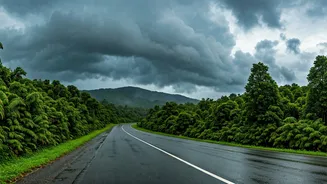





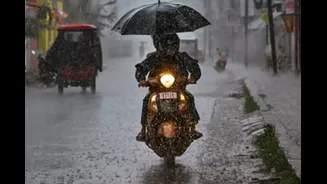


Monsoon Arrives with Intensity
The southwest monsoon has officially advanced across most of India, but it's a story of contrasts. While the India Meteorological Department (IMD) has forecast a below-normal rainfall for July overall, citing a dry June and the influence of El Niño, this
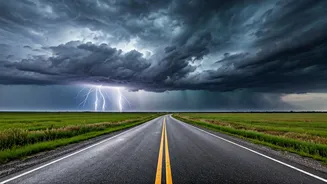
doesn't mean clear skies for travelers. Instead, the weather is proving to be highly variable. Intense, concentrated spells of rain are causing significant disruptions in some of the country's most popular tourist regions. Heavy to very heavy rainfall has been lashing parts of the Konkan coast, including Mumbai, and the Himalayan foothills, even as other areas experience a deficit. This unpredictability is the new reality for anyone planning an outdoor trip this month.
High-Risk Zones to Watch
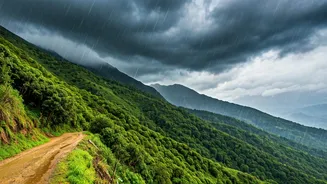
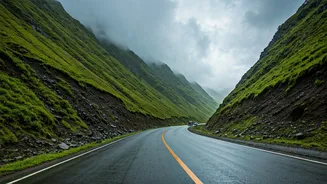
Certain regions are currently experiencing severe weather, making travel particularly hazardous. In North India, Himachal Pradesh and Uttarakhand are on high alert. The IMD has issued orange alerts for multiple districts in Himachal, including Kangra, Kullu, Mandi, and Shimla, warning of heavy rain, landslides, and rising river levels through the first and second week of July. In Uttarakhand, similar alerts are in place, especially for Char Dham pilgrims. Helicopter services for the Kedarnath Dham Yatra have been suspended due to the adverse conditions. The Northeast has also been hit hard, with flash floods and landslides reported in Arunachal Pradesh and Assam, leading to inundated villages and damaged infrastructure. Along the west coast, Mumbai and the surrounding Konkan region have received extremely heavy rainfall, leading to widespread waterlogging and red alerts.
Your Pre-Trip Safety Checklist
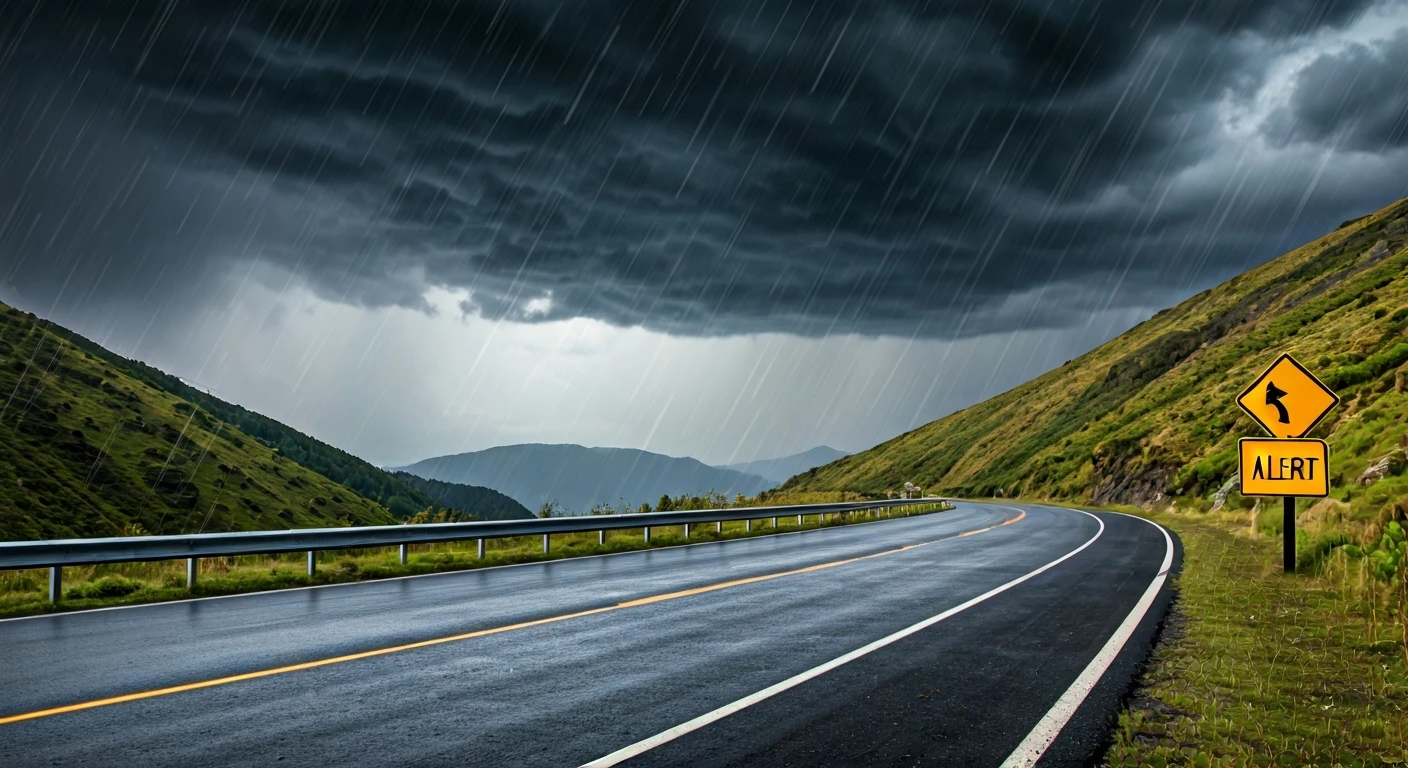
Before you even pack your bags, preparation is key. First, monitor the IMD's official website and social media handles for the latest weather warnings and forecasts for your specific destination. Pay close attention to color-coded alerts (Yellow, Orange, Red) and understand what they mean. Second, inform a reliable contact back home of your detailed itinerary and check in regularly. Third, research your route thoroughly. Avoid roads known for being prone to landslides, especially during heavy downpours. In mountain areas, many smaller roads can become impassable. Finally, have a backup plan. Be prepared to alter your route or even cancel your trip if conditions are deemed unsafe by authorities. Travel insurance that covers trip disruptions due to weather is also a wise investment.
Pack Smarter, Not Just Lighter
Monsoon travel demands more than just an umbrella. Your packing list should prioritize safety and comfort in wet, and potentially emergency, conditions. A sturdy, waterproof jacket and quick-drying clothes are essential. Invest in footwear with excellent grip to navigate slippery trails and waterlogged streets. Pack everything in waterproof bags or use dry bags inside your backpack to protect electronics and spare clothing. An emergency kit is non-negotiable: include a powerful torch, a fully charged power bank, a first-aid kit with antiseptic wipes and bandages, any personal medications, and some high-energy snacks. A whistle can also be a crucial tool for attracting attention if you find yourself in trouble.
Digital Tools for On-the-Go Safety
Leverage technology to stay informed while on the move. Download the IMD's official 'Mausam' app for localized forecasts and warnings. The 'Damini' app provides real-time lightning alerts, which are critical during thunderstorms. 'Google Maps' can offer real-time traffic updates, which often reflect road blockages or diversions due to weather. Many state disaster management authorities also have their own apps or social media channels that provide localized, timely information. Before entering areas with poor network connectivity, take screenshots of maps and important contact numbers. Following local news outlets and travel forums for your destination can also provide invaluable, on-the-ground reports from fellow travelers and residents.
When to Postpone Your Trip
The most important decision is knowing when to say no. While the allure of misty mountains and verdant landscapes is strong, no trip is worth risking your safety. If the IMD issues a Red Alert for your destination, it signals a need for immediate action to protect yourself and you should seriously reconsider travel. An Orange Alert indicates you should be prepared for severe weather that could disrupt plans and pose a danger. Pay heed to advisories from local authorities, who may close roads or tourist spots for safety reasons. If you see rising water levels in rivers, hear rumbling sounds that could indicate a landslide, or notice sudden, intense rainfall, it is time to move to higher, safer ground and postpone any further travel until conditions stabilize.