




Understanding the Monsoon Menace: Root Rot
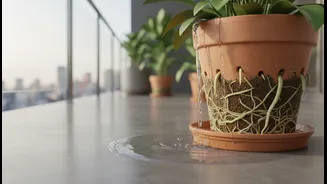
The primary enemy of potted plants during the monsoon is not the rain itself, but what it leaves behind: waterlogged soil. When a pot's soil remains saturated, it cuts off the oxygen supply to the roots. This oxygen-deprived, damp environment is a breeding
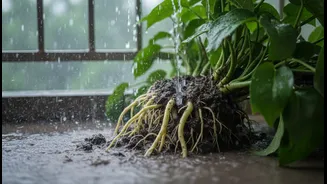
ground for fungi and bacteria that cause roots to decay, a condition known as root rot. Healthy roots are firm and white, but rotting roots turn brown, black, and mushy. Once damaged, they can no longer absorb the nutrients and water the plant needs, leading to yellowing leaves, wilting, and eventually, the plant's demise.
Start with the Right Foundation: Pots and Holes
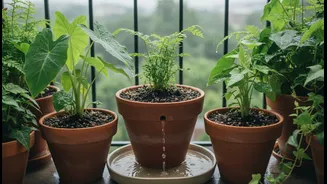
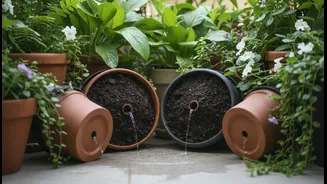
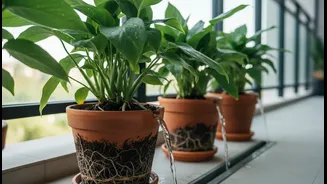
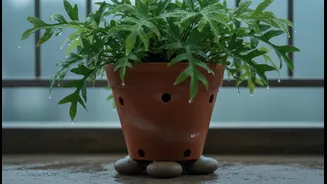
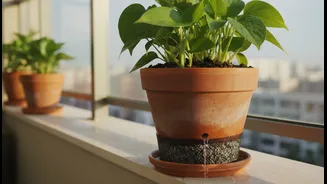
The first line of defence is your container. Ensure every pot has at least one, and preferably multiple, drainage holes at the bottom. These holes are non-negotiable, as they allow excess water to escape freely. Before planting, check that these holes are clear and not blocked by residual soil from the manufacturing process. If you fall in love with a decorative pot that lacks drainage, you have two options: either drill holes yourself using an appropriate bit, or use it as a cachepot—placing a smaller, functional pot with drainage inside it. Remember to empty the outer pot of any collected water.
Lighten the Load: A Well-Draining Potting Mix
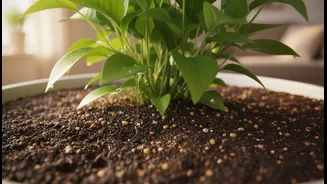
Heavy garden soil or clay soil is a major culprit in poor drainage, as it compacts easily when wet. For potted balcony plants, especially during the monsoon, a light, well-aerated potting mix is crucial. You can buy a pre-made mix designed for containers or create your own. A good recipe involves amending regular potting soil with materials that improve aeration and drainage. Adding coarse sand, perlite (small white volcanic rocks), or cocopeat can dramatically lighten the soil's texture. These materials create air pockets, allowing water to pass through more easily and preventing the soil from becoming a dense, suffocating mass.
Elevate Your Plants for Better Airflow
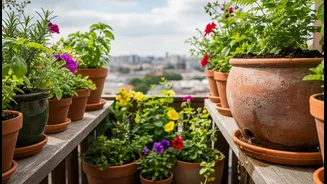
One of the simplest yet most effective tricks is to lift your pots off the ground. Placing pots directly on the balcony floor can block drainage holes and trap a layer of water underneath, keeping the base of the pot constantly soggy. Elevating them on pot feet, bricks, or simple plant stands allows water to drain away completely and improves air circulation around the base of the pot. This small change can make a significant difference in preventing water from being reabsorbed into the soil.
Rethink the Layering Myth
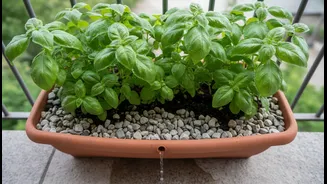
A long-standing gardening tip has been to add a layer of gravel or broken pot shards (thekri) at the bottom of a pot to improve drainage. However, modern horticulture science suggests this may be counterproductive. This layer can actually create a perched water table, where water sits in the soil just above the gravel, keeping the root zone wetter. A better approach is to use a uniform, well-draining soil mix throughout the entire pot. If you are concerned about soil washing out, a small piece of mesh or a coffee filter over the drainage hole is a better solution.
Water Wisely, Even When It's Wet
It might seem obvious, but it's important to adjust your watering schedule during the monsoon. Don't water your plants on days with heavy rainfall. Even during breaks in the rain, always check the soil before watering. The 'finger test' is your best guide: insert your finger about an inch or two into the soil. If it feels damp, wait another day before watering. The surface may look dry, but the soil around the roots could still be moist.