
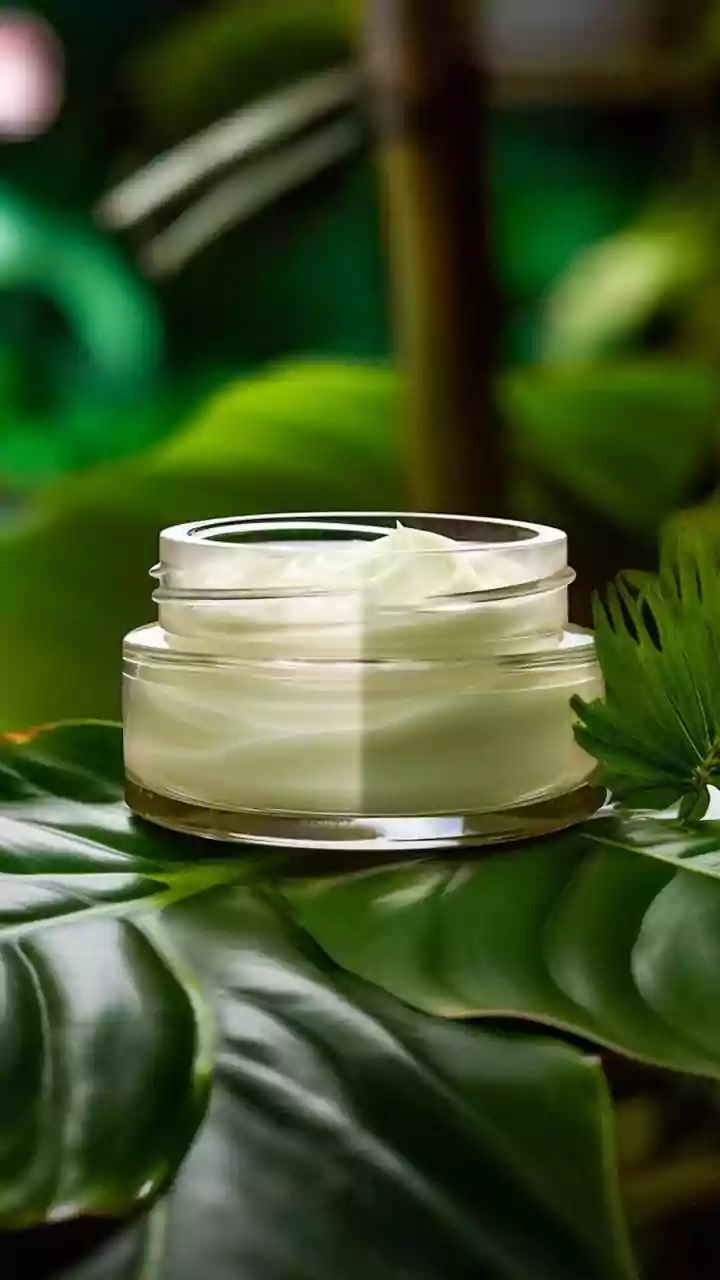





First, What Are Ceramides?
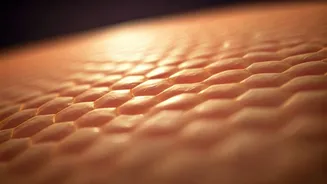
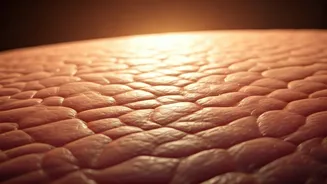
Think of your skin barrier as a brick wall. The skin cells are the 'bricks,' and the lipids (fats) that hold them together are the 'mortar.' Ceramides are a major component of that mortar. They are naturally occurring fats that make up over 50% of your skin's
composition. Their job is crucial: they help form a protective layer that locks moisture in and keeps pollutants and irritants out. Without enough ceramides, this wall becomes weak, leading to dryness, irritation, itching, and a compromised skin barrier.
The Rise of Barrier Care
For years, the beauty conversation was dominated by aggressive treatments—harsh scrubs, high-percentage acids, and powerful retinoids. While effective, overusing these can strip the skin and damage the very barrier we need for protection. The ceramide trend is part of a larger, smarter movement in skincare: a shift towards 'barrier repair' and 'skinimalism.' Consumers and dermatologists alike are recognising that a healthy, resilient skin barrier is the foundation for everything else. Instead of just treating symptoms like acne or dark spots, the focus is now on strengthening the skin's own defences first. Ceramides are the poster child for this gentle, supportive approach.
Why the Sudden Popularity?
Several factors created the perfect storm for the ceramide boom. Firstly, social media platforms like TikTok and Instagram have made 'derm-influencers' a powerful force. Dermatologists and skincare chemists are now accessible to millions, explaining complex ingredients in simple terms and recommending products that focus on skin health. Secondly, the pandemic locked us indoors, giving many the time to research ingredients and re-evaluate their routines. This led to a demand for soothing, repairing products to counteract 'maskne' and stress-induced skin issues. Finally, brands are listening. They see the growing consumer interest in science-backed, gentle ingredients and are formulating new products or highlighting ceramides in their existing ones.
But Do They Actually Work?
Yes, but it's important to understand how. Our natural ceramide levels deplete over time due to age, sun exposure, and the use of harsh products. Research shows that topically applied, well-formulated ceramide creams can help replenish these lipids, improving skin hydration and strengthening the barrier. The key is in the formulation. For maximum benefit, look for creams that combine ceramides with other skin-identical ingredients like cholesterol and fatty acids. This mimics the skin's natural lipid structure, making it more effective. So while they aren't a magic cure-all, they are a scientifically-proven way to support your skin's health.
Who Needs a Ceramide Cream?
While anyone can benefit from a stronger skin barrier, certain people will notice the biggest difference. If you have dry, dehydrated, or sensitive skin, a ceramide cream can be a game-changer. They are also excellent for those with conditions like eczema or rosacea, which are associated with a compromised barrier. In the Indian context, they are particularly useful. Whether you live in a polluted city, a dry climate, or spend hours in air-conditioning, your skin barrier is constantly under assault. A ceramide moisturiser acts like a daily shield, helping your skin cope with these environmental stressors and maintain its balance.
How to Add Them to Your Routine
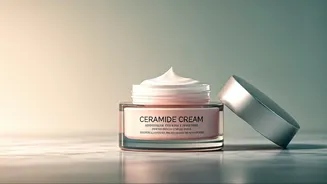
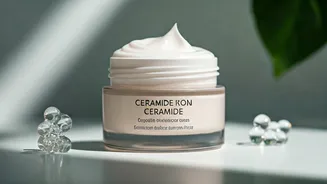
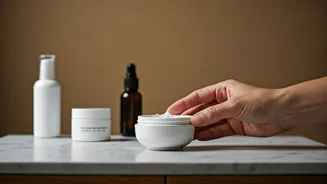
Incorporating ceramides is simple. They are found in cleansers, serums, and moisturisers. A ceramide-rich moisturiser is often the easiest and most effective way to use them. You can apply it morning and night after cleansing and any active serums. They work well with most other ingredients, including retinoids and vitamin C, and can even help your skin better tolerate these potent actives by reducing potential irritation. When shopping, check the ingredient list for terms like 'Ceramide NP,' 'Ceramide AP,' or 'Ceramide EOP,' and look for products that also contain hyaluronic acid or glycerin for an extra hydration boost.