




From Isolation to Immersion
The memory of pandemic-induced isolation has created a powerful craving for communal experiences. After years of digital consumption, audiences are seeking out physical, real-world connections, and the live music industry has boomed in response. India's
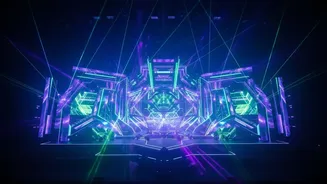
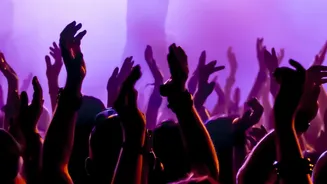
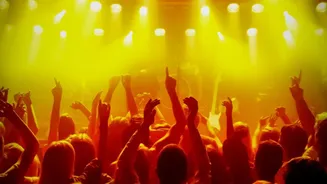
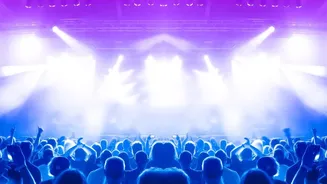
organised live events sector has become the second-fastest-growing segment in the media and entertainment industry, with projections showing staggering growth. One report projects the market to grow at a compound annual growth rate (CAGR) of 17.6% to reach ₹143 billion by 2026. This isn’t just about catching a favourite band; it’s about reversing the solitude of streaming and transforming private listening into a moment of public belonging. Research shows that a vast majority of people feel live music creates a sense of community that digital entertainment cannot replicate.
The Festival as a Destination
A new entertainment habit is clear: Indians are now travelling for music. Festivals like Lollapalooza India, NH7 Weekender, and Magnetic Fields are no longer just city events but full-fledged travel destinations. A 2025 report noted that over 5.6 lakh Indians travelled across cities just to attend concerts. This has given rise to a booming music tourism market, which was valued at over USD 3.7 billion in 2025 and is projected to grow dramatically. For many young Indians, especially Gen Z, a music festival trip is now preferable to a conventional holiday. People plan itineraries not just around the music, but also local sightseeing, food, and trekking, turning a three-day festival into a week-long experience.
The New 'Experience' Rupee
The willingness to spend on experiences over products marks a significant behavioural shift. A staggering 78% of Indian consumers now say they prefer allocating their money to memorable moments. This is the “experience economy” in action. Fans are not just buying tickets; they are investing in VIP zones, merchandise, and travel, with spending on live events outpacing other forms of entertainment. The economic ripple effect is massive. For every ₹100 spent on a concert ticket for a major event like Coldplay's, an estimated ₹585 was spent elsewhere on travel, hotels, and dining. Young consumers, while still conscious of steep ticket prices, are saving up and prioritising these 'once-in-a-lifetime' events, often fueled by a desire to participate in a cultural moment.
A Global Stage in India
India is no longer an afterthought on global tour maps but a primary destination. The recent influx of major international artists like Ed Sheeran, Dua Lipa, Linkin Park, and John Mayer has cemented the country's place on the world touring circuit. This is a stark change from a decade ago. The success of blockbuster tours proved that India has a massive, organised, and ready-to-spend audience. This has created a virtuous cycle: successful international shows encourage more promoters to bring in global acts, which in turn normalises the habit of attending large-scale concerts for a new generation of fans.
Beyond the Headliners
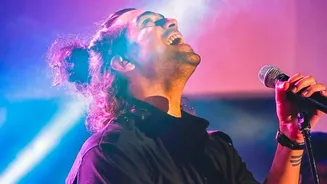
While international tours grab headlines, the new habit of consuming live music extends to a thriving local scene. The appetite for live events is now a pan-India phenomenon, with emerging cultural hubs in Tier-II and Tier-III cities like Shillong, Visakhapatnam, and Rajkot showing triple-digit growth in entertainment consumption. This ecosystem is not just shaped by major festivals but also by a vibrant and growing circuit of indie artist tours, genre-specific gigs, and local venue performances. This diversification ensures that seeking live music can be a regular, accessible activity, rather than an annual pilgrimage, embedding it firmly into the entertainment DNA of the country.