






More Than Just Traditional Vegetarianism
For generations, a significant portion of India has followed a vegetarian diet rooted in cultural and religious traditions. But the new wave of 'plant-based' eating is subtly different. While traditional vegetarianism often includes dairy and sometimes
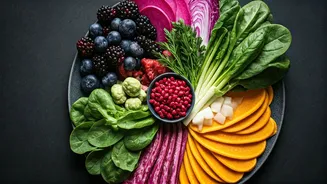
heavily processed ingredients, the modern plant-based philosophy champions whole, minimally processed foods. Think ragi dosas instead of maida-based breads, jaggery and dates instead of refined sugar, and colourful salads packed with millets, seeds, and fresh greens. It’s less about simply avoiding meat and more about intentionally choosing nutrient-dense, natural ingredients. This shift re-frames healthy eating not just as a restriction, but as a vibrant and conscious choice for a new generation.
The Global Wellness and Health Wave
Young India is more health-conscious than ever before. Influenced by global wellness conversations, millennials and Gen Z are increasingly linking diet to overall well-being, from physical fitness to mental clarity. The rise of fitness culture, marathon running, and boutique gyms has created a demand for food that fuels performance and recovery. Plant-based diets, often promoted by athletes and health experts for their anti-inflammatory properties and high fibre content, fit this narrative perfectly. Documentaries on streaming platforms and a flood of online information have highlighted the potential health benefits of reducing animal product consumption, resonating with a generation actively seeking to take control of their health in a proactive way.
An Eco-Conscious Choice
Beyond personal health, a powerful driver for this dietary shift is a growing awareness of the planet's health. For many young Indians, what's on their plate is a political and ethical statement. Conversations around climate change, sustainability, and animal welfare are no longer confined to activist circles; they're happening on social media and among friend groups. The environmental impact of industrial animal agriculture is a significant concern for a generation that will inherit its consequences. Choosing a plant-based meal, whether it’s a few times a week or as a full-time commitment, is seen as a tangible, personal action one can take to reduce their carbon footprint and align their consumption with their values.
The Instagrammable Meal
You can't discount the power of aesthetics. The plant-based movement is visually stunning, making it perfect for the age of social media. A scroll through Instagram reveals a beautiful world of rainbow-hued smoothie bowls, perfectly arranged avocado toast, and lush green salads that look as good as they are proclaimed to taste. Food bloggers and wellness influencers have become key evangelists, showcasing a lifestyle that is aspirational, vibrant, and healthy. Cafes and restaurants have responded in kind, designing plant-forward dishes that are not only delicious but also highly 'grammable. This visual appeal has played a massive role in demystifying plant-based eating and making it seem accessible, modern, and desirable.
Old Roots, New Shoots
While the trend feels modern, it’s also a reconnection with India’s rich agricultural heritage. For years, indigenous grains like millets (jowar, bajra, ragi) were seen as humble, rustic foods. Today, they are being celebrated as superfoods and are central to the new plant-based narrative. Chefs and home cooks are reinventing traditional recipes, giving them a contemporary, health-focused twist. A simple khichdi is now made with quinoa; a traditional sabzi is served with a side of sautéed tofu. This fusion of old and new makes the trend feel less like a Western import and more like an evolution of India’s own culinary identity, making it easier for young people to adopt without feeling like they are abandoning their roots.