




The Tyranny of Distance
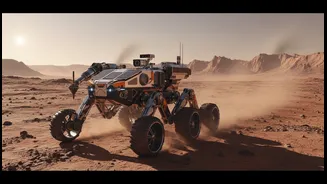
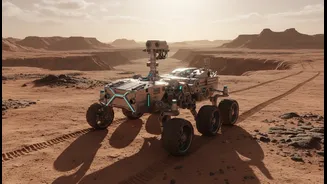
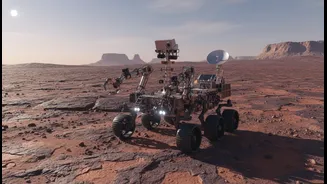
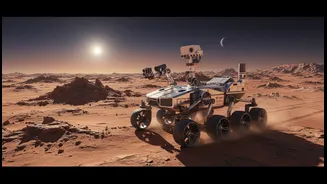
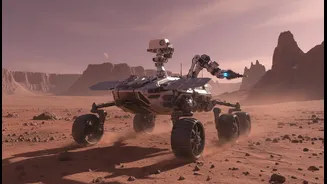
Controlling a robot on another planet is a lesson in patience. With a communication lag between Earth and Mars that can stretch to over 20 minutes each way, NASA's rover drivers can't simply joystick a vehicle in real-time. Every move must be painstakingly
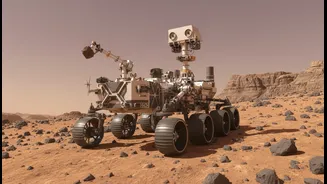
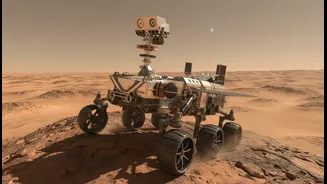
planned, every command sequence checked and double-checked, and then sent off into the void with the hope that the rover's own limited autonomous safeguards will prevent it from driving into a ditch or toppling off a cliff. This deliberate process significantly slows the pace of discovery. While rovers like Perseverance and Curiosity are geological marvels, their potential is capped by how much ground they can safely cover and how many decisions they can make on their own. To truly accelerate the exploration of the Red Planet, the robots need to think for themselves.
NASA's STRIDE Initiative
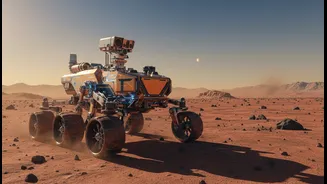
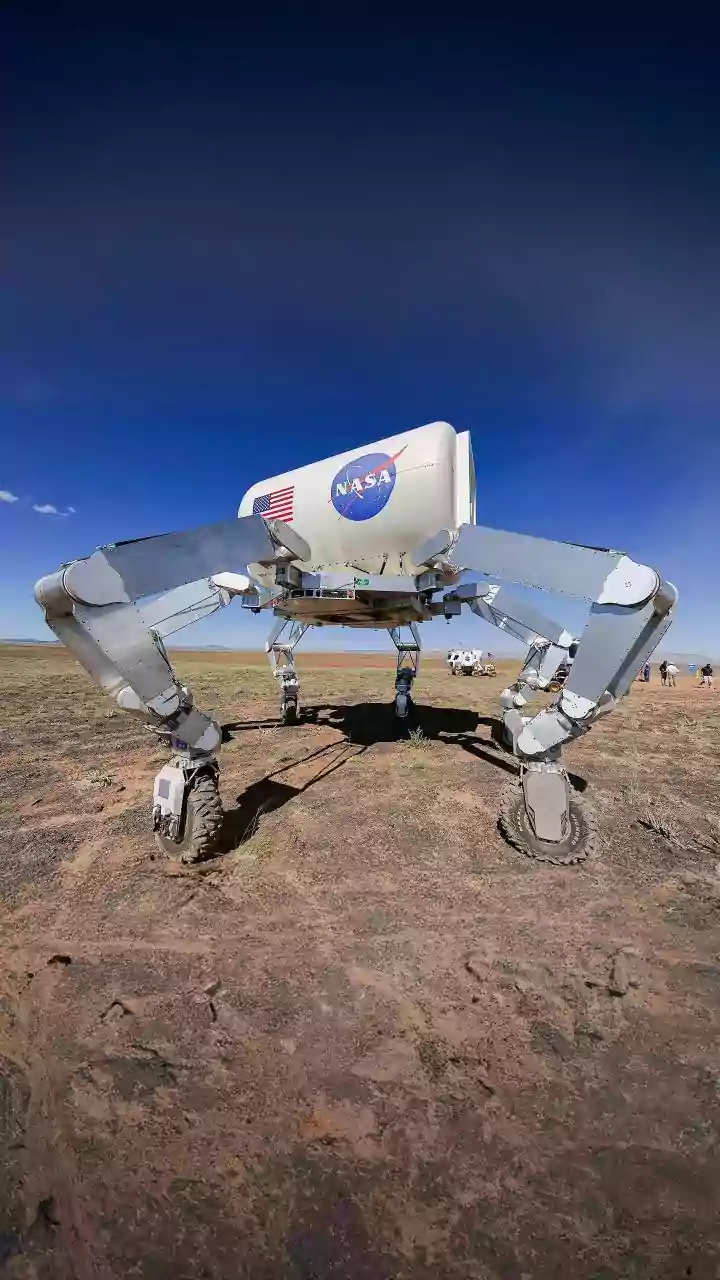
To solve this problem, NASA has initiated a new program called STRIDE, which stands for Science Transport and Robotic Innovation for Deployment and Exploration. The agency recently awarded contracts totaling approximately $17 million to seven different companies tasked with developing the next generation of robotic mobility systems. The awardees include a mix of established aerospace players and innovative robotics firms, such as AeroVironment, Astrobotic, Honeybee Robotics, and Intuitive Machines. The goal is to foster the creation of both surface and aerial platforms that can navigate the difficult and scientifically valuable regions of Mars that are currently out of reach. This investment signals a major strategic shift, leveraging public-private partnerships to build more capable and autonomous systems for future missions.
What Makes a Robot 'Smarter'?
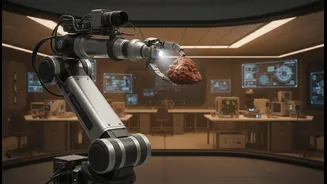
The new contracts focus on enhancing several key areas of robotic intelligence. The primary upgrade is advanced autonomous navigation. Instead of relying on a pre-planned "breadcrumb trail" of waypoints from human operators, future robots will be able to assess their surroundings and make their own routing decisions in real-time. This involves sophisticated AI and machine learning algorithms that can identify hazards like sand traps or sharp rocks, analyze terrain stability, and plot the most efficient path to a scientific target. In fact, NASA has already conducted successful tests using AI to plan drives for the Perseverance rover. Beyond just driving, increased intelligence will allow robots to perform more complex scientific tasks without human intervention, such as identifying interesting rock samples, operating drills, and even managing their own power and health systems.
Beyond the Rover
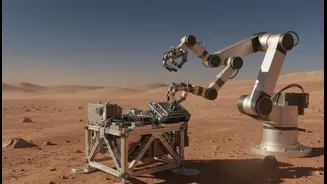
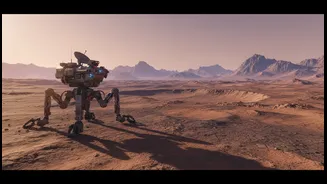
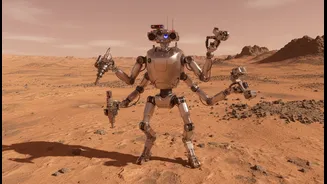
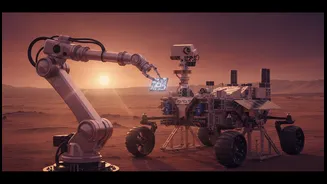
The technology being developed under the STRIDE contracts isn't just for wheeled rovers. The initiative explicitly calls for the development of both ground and aerial systems. This could lead to more advanced and autonomous versions of the Ingenuity helicopter, capable of scouting larger areas or carrying scientific instruments. It also opens the door to entirely new concepts, such as teams of smaller, cooperating robots or bipedal machines capable of building structures. These intelligent systems will be crucial for establishing a sustained presence on Mars, potentially constructing habitats, landing pads, and resource utilization plants before the first human explorers even arrive. The goal is to build a robotic vanguard that can prepare the way for humanity's arrival, handling dangerous and repetitive tasks autonomously.
The Earthly Benefits of Martian AI
While the focus is on Mars, the advancements in autonomous robotics spurred by these NASA contracts will have significant impacts back on Earth. The challenges of operating in a remote, hostile environment with minimal communication are analogous to many terrestrial applications. The AI and navigation systems built for Mars could find their way into self-driving vehicles, particularly those used in mining, agriculture, and disaster response. Robots designed for remote inspection and maintenance on a Martian habitat could be adapted for use in nuclear power plants or deep-sea oil rigs. By pushing the boundaries of what's possible millions of kilometers away, NASA and its commercial partners are developing technologies that will make life safer, easier, and more efficient right here on our own planet.