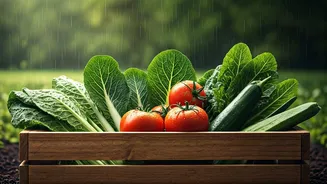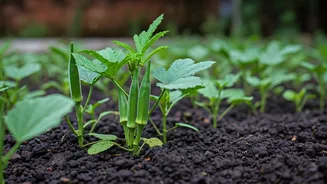





Spinach (Palak)
Palak is one of the most gratifying vegetables for a novice gardener. It grows incredibly fast, allowing you to go from seed to harvest in as little as 30 to 45 days. This quick turnaround provides instant encouragement. Spinach thrives in containers,
making it perfect for balconies and small spaces. Use a well-draining pot, fill it with a good quality potting mix, and sow the seeds about half an inch deep. Keep the soil consistently moist but not waterlogged. It prefers cooler weather but many Indian varieties are adapted to warmer spells, especially if given some afternoon shade. The reward? Tender, fresh leaves for your dal, palak paneer, or a healthy smoothie, free from any market-day grit.
Radish (Mooli)
If you want speed, plant radishes. Some varieties are ready to be pulled from the soil in just three to four weeks, making them a champion of instant gratification. This rapid growth cycle is a huge confidence booster. Mooli grows well in loose, well-drained soil and can be planted in deep pots or grow bags if you don't have a garden bed. Sow the seeds directly into the soil and thin them out as they sprout to give the roots space to swell. They don't require much care beyond regular watering. Don't forget that the leaves (mooli ke patte) are also edible and highly nutritious, perfect for making a simple sabzi. Your reward is a double-header: crisp, peppery radishes for salads and parathas, plus tasty greens.
Coriander (Dhania)
No Indian kitchen can do without fresh dhania, and growing your own is surprisingly simple. You can even start with the whole coriander seeds from your spice box! Just gently crush the seeds to split them into two halves before sowing. Coriander loves a sunny spot but can wilt in the harsh afternoon sun, so a location with morning sun is ideal. It grows well in wide, shallow pots. The key is to sow seeds every few weeks to ensure a continuous supply, as the plant tends to 'bolt' (flower) quickly in hot weather. The reward is having fragrant, vibrant green leaves on hand to garnish curries, whip up a fresh chutney, or sprinkle over chaat whenever you please.
Mint (Pudina)
Pudina is famously easy to grow—so easy, in fact, that your main challenge will be containing it. This herb is a vigorous spreader, so it's best grown in its own pot unless you want it to take over your entire garden. You don't even need seeds; mint grows readily from a small cutting with a few roots, which you can often find in a bunch bought from the market. Just place the cutting in a glass of water until roots develop, then plant it in a pot. It needs regular watering and enjoys a bit of sun. The reward is an endless, aromatic supply of fresh mint for chutneys, raitas, refreshing nimbu pani, or a soothing cup of mint tea.
Chillies (Mirch)
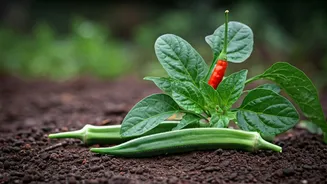
For those who love a bit of spice, growing your own chillies is a must. A single, healthy chilli plant can be incredibly productive, yielding fresh chillies for months. They are sun-loving plants, so find a spot on your balcony or patio that gets at least five to six hours of direct sunlight. You can grow them from seeds or buy a small sapling from a nursery to get a head start. They do well in grow bags and pots with good drainage. Just be consistent with watering, especially once they start to flower and produce fruit. The reward is harvesting your own fresh, fiery chillies for that perfect tadka or spicy curry, with a flavour far superior to store-bought ones.
Cherry Tomatoes
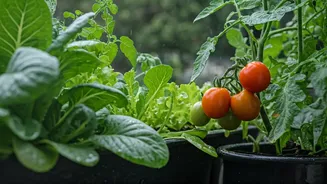
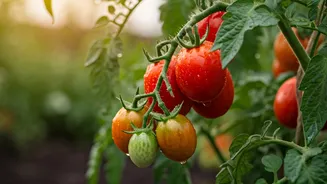
While large tomatoes can be tricky, cherry tomatoes are much more forgiving and a great starting point. These plants are prolific producers, and the sight of bright red, yellow, or orange globes hanging from the vine is a true delight. They need plenty of sunlight and a sturdy support, like a small trellis or cage, to keep the vine off the ground. Grow them in a large pot or grow bag with nutrient-rich soil. Regular, deep watering is crucial for juicy fruit. The reward is snacking on sweet, sun-warmed tomatoes straight from the vine, or tossing them into salads and pastas for a burst of fresh flavour.