


The Festive Eating Challenge
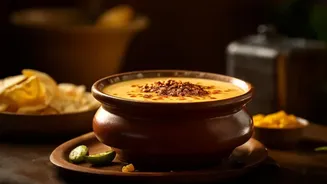
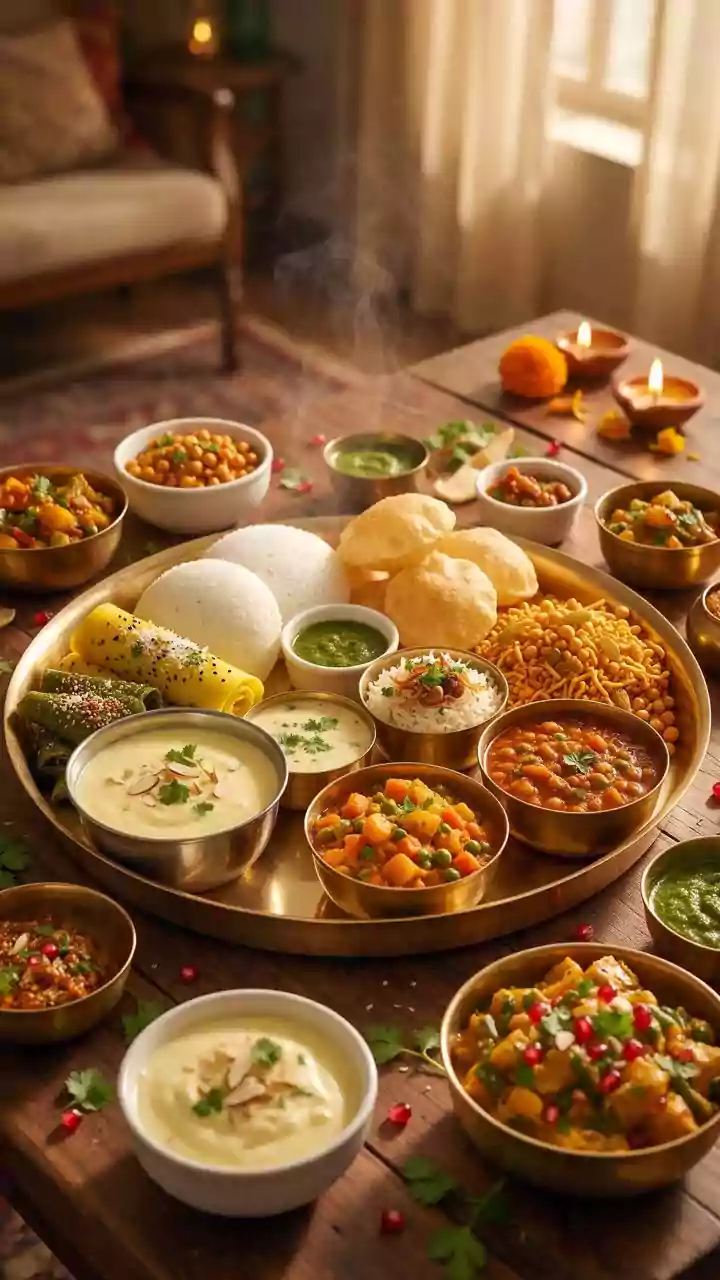
From deep-fried snacks to sugar-laden sweets, festive spreads are a feast for the senses but often a challenge for our stomachs. This traditional indulgence can lead to common complaints like bloating, acidity, and a general feeling of heaviness. These
foods, often high in refined oils, processed sugar, and white flour, require significant effort from our digestive system to break down. While delicious, they can weaken our digestive fire, or 'agni', an important concept in Ayurveda responsible for metabolism and nutrient absorption. When agni is weak, digestion becomes sluggish, leading to discomfort that can overshadow the festive cheer.
A Return to Sattvik Simplicity
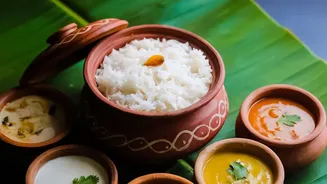
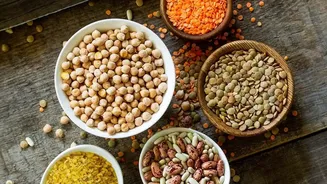
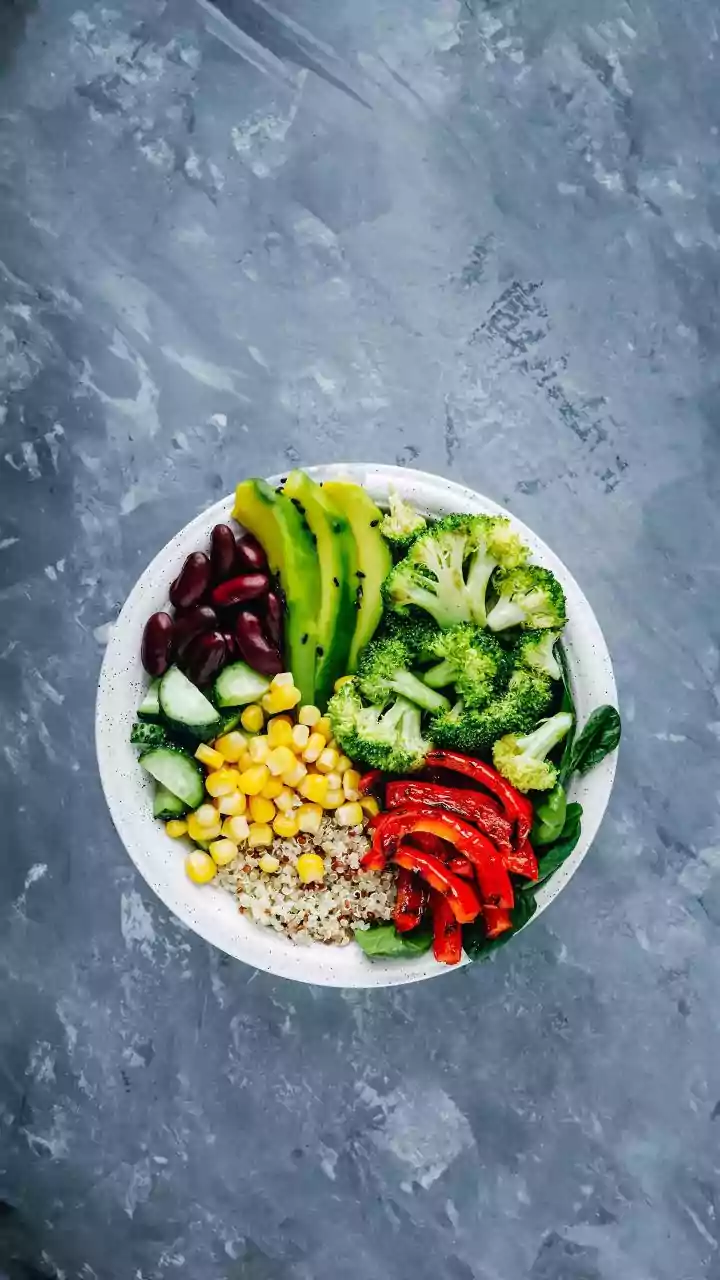
The Sattvik diet, rooted in Ayurvedic and yogic philosophy, offers a path to balanced eating. The word 'Sattva' means pure, and the diet emphasises foods that are fresh, natural, lightly cooked, and easy to digest. The goal is to nourish the body and promote a calm, clear mind. A Sattvik plate typically includes whole grains, fresh fruits and vegetables, legumes, nuts, seeds, and ethically produced dairy products like milk and ghee. It avoids foods considered 'rajasic' (stimulating) like onions and garlic, and 'tamasic' (heavy or dulling) such as processed, stale, or deep-fried items. This focus on pure, life-giving ('pranic') foods naturally supports digestive health.
The Golden Touch of Pure Ghee
For years, ghee was unfairly maligned, but traditional wisdom and modern understanding now recognise its immense benefits. In Ayurveda, pure ghee is considered a superfood that supports digestion. It helps to kindle the digestive fire (agni) without aggravating pitta (the fire element in the body). Ghee also lubricates the digestive tract, which can help prevent constipation and soothe the intestinal lining. It contains butyric acid, a short-chain fatty acid that nourishes the cells of the colon and has anti-inflammatory properties. Using pure ghee in moderation for cooking festive meals instead of refined oils can make a significant difference in how you feel after eating.
The Power of Unprocessed Ingredients
The second pillar of a Sattvik approach is the emphasis on unprocessed, whole ingredients. When we eat foods in their natural state—like whole grains instead of refined flour, or jaggery instead of white sugar—our bodies receive more fibre and essential nutrients. Fibre is crucial for smooth digestion; it adds bulk, aids regular bowel movements, and feeds the healthy bacteria in our gut. Festive recipes can easily be adapted. For instance, sweets can be made with jaggery, dates, or coconut. Snacks like pakoras can be made with water chestnut flour ('singhara') or buckwheat flour ('kuttu'), which are lighter and easier to digest than refined wheat flour. These simple swaps ensure meals are not only pure but also packed with the nutrients needed for good health.
Making Sattvik Swaps This Season
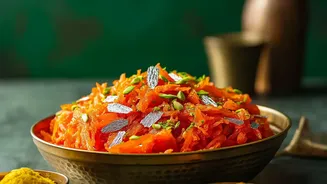
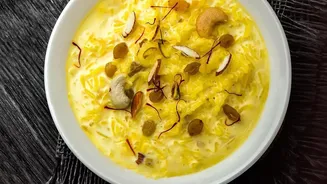
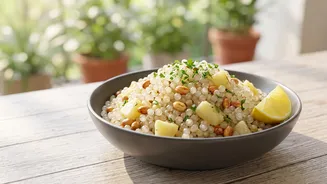
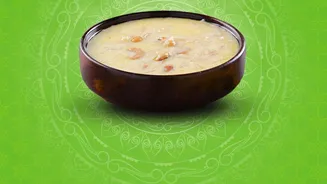
Adopting a Sattvik approach doesn't mean giving up your favourite festive dishes. It's about making mindful adjustments. For instance, instead of deep-frying puris, try making parathas with rajgira (amaranth) flour and roasting them with a touch of ghee. For dessert, a lauki (bottle gourd) kheer sweetened with jaggery is a light and soothing alternative to heavy, milk-based sweets. Roasted makhana (fox nuts) seasoned with rock salt and pepper make a crunchy, satisfying snack that is gentle on the stomach. By focusing on fresh, seasonal produce and simple cooking methods like steaming, boiling, and light roasting, you can create a festive menu that is both delicious and digestible.