


The Summer Soother: Chaas
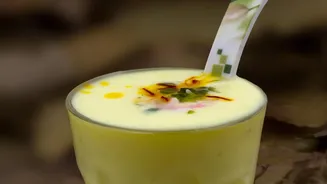
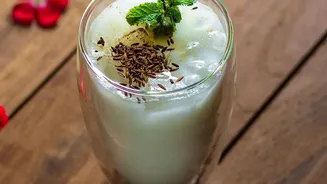
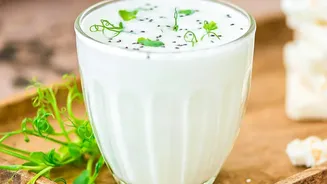
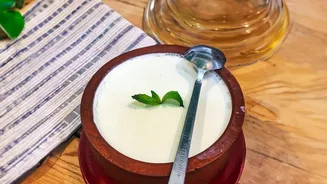
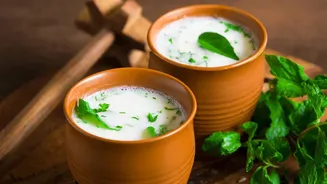
Chaas, known in English as buttermilk, is a beloved staple across India, especially during the sweltering summer months. Traditionally, it was the thin liquid left after churning butter from cream, but today it is more commonly prepared by diluting yogurt
(curd) with water. Often seasoned with roasted cumin powder, black salt, ginger, or fresh herbs like mint and coriander, Chaas is revered for its cooling properties. But its benefits extend far beyond refreshment. Chaas is a natural source of probiotics, the beneficial bacteria that support a healthy gut. These microorganisms aid digestion, can help prevent issues like bloating and acidity, and enhance nutrient absorption. Its high water content, combined with electrolytes like potassium, also makes it an excellent hydrator, replenishing fluids lost in the heat.
The Winter Warrior: Kanji
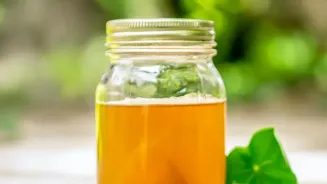
As the weather turns colder, another traditional drink takes center stage in North Indian households: Kanji. This is a fermented beverage, most famously made from black carrots which are available during the winter season. The carrots, along with water, salt, and coarsely ground mustard seeds, are left to ferment in a ceramic or glass jar, often in the sun, for several days. This process gives Kanji its distinctive tangy, pungent, and slightly earthy flavour—an acquired taste for some, but a beloved one for many. The fermentation is key to its health benefits. It transforms the drink into a probiotic powerhouse, fostering the growth of beneficial lactic acid bacteria that are excellent for gut health.
The Science of a Happy Stomach
Both Kanji and Chaas owe their stomach-soothing reputations to fermentation. In Chaas, the probiotics come from the live cultures present in the yogurt. These friendly bacteria help maintain a balanced gut microbiome, which is crucial for everything from efficient digestion to a strong immune system. Kanji's benefits arise from a wild fermentation process. The mustard seeds help kickstart the process, and over a few days, naturally present microbes convert the sugars from the carrots into lactic acid. This not only preserves the drink but also populates it with probiotics like Pediococcus acidilactici. These probiotics can help reduce inflammation, ease digestive issues like bloating and constipation, and even support the body's natural detoxification processes.
A Tale of Two Seasons
The seasonal divide between Chaas and Kanji is a perfect example of traditional food wisdom. Chaas is inherently cooling. According to Ayurveda and traditional beliefs, yogurt and mint have properties that help lower body temperature, making it the perfect antidote to summer heat. Its light, hydrating nature prevents the digestive sluggishness that can accompany hot weather. Kanji, on the other hand, is considered a warming drink. The ingredients, particularly the mustard seeds, are believed to generate heat in the body. This makes it ideal for winter, a time when the digestive fire can be weaker and meals are often heavier. The probiotics in Kanji help the gut process these richer foods, while the antioxidants from the black carrots provide an immune boost during cold and flu season.
Bringing These Traditions Home
Incorporating these drinks into your routine is simple. Chaas can be made in minutes: just whisk chilled yogurt with water until smooth and frothy, then add salt and your favourite spices like roasted cumin powder. For Kanji, the process requires a little patience but minimal effort. Clean and cut black carrots (or red carrots with a small beetroot for colour), place them in a large, sterilised glass or ceramic jar with water, salt, and coarsely ground mustard seeds. Cover the jar with a muslin cloth and let it sit in a warm spot or in the sun for 3-5 days, stirring once daily. Once it develops a tangy flavour, the Kanji is ready. It can then be refrigerated and enjoyed for its unique taste and gut-boosting benefits.