





The Once-Mighty Keto Kingdom
For years, the ketogenic diet was the undisputed king of the wellness world. Promising rapid weight loss by transforming the body into a fat-burning machine, it amassed a huge global following. By drastically cutting carbohydrates and focusing on high-fat
foods, the diet forces the body into a state of ketosis, burning fat for fuel instead of glucose. Its principles were everywhere, from celebrity endorsements to restaurant menus and an endless array of “keto-friendly” packaged goods. The appeal was obvious: a diet that allowed for indulgent foods like red meat and cheese while promising dramatic results. At its peak between 2021 and 2022, keto seemed less like a diet and more like a lifestyle movement.
Why the Keto Craze Is Crashing
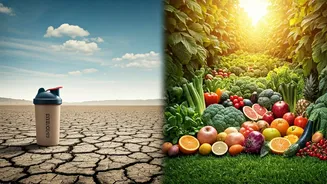
The very thing that made keto popular—its strictness—is now fuelling its decline. Global interest in the diet has dropped significantly, with social media mentions and restaurant menu items plummeting. The core reason is simple: diet fatigue. Consumers have grown tired of the complex rules, the constant tracking of macronutrients, and the prohibition of entire food groups like grains, fruits, and legumes. This restrictive nature makes long-term adherence incredibly difficult, leading many to abandon it for more flexible plans. Furthermore, health concerns have mounted. Nutritionists point to risks like low blood pressure, kidney stones, constipation, and nutrient deficiencies. The diet’s emphasis on high-fat intake, if not managed with heart-healthy sources, can also increase the risk of heart disease, making many experts hesitant to recommend it.
A Cultural Shift Toward Balance
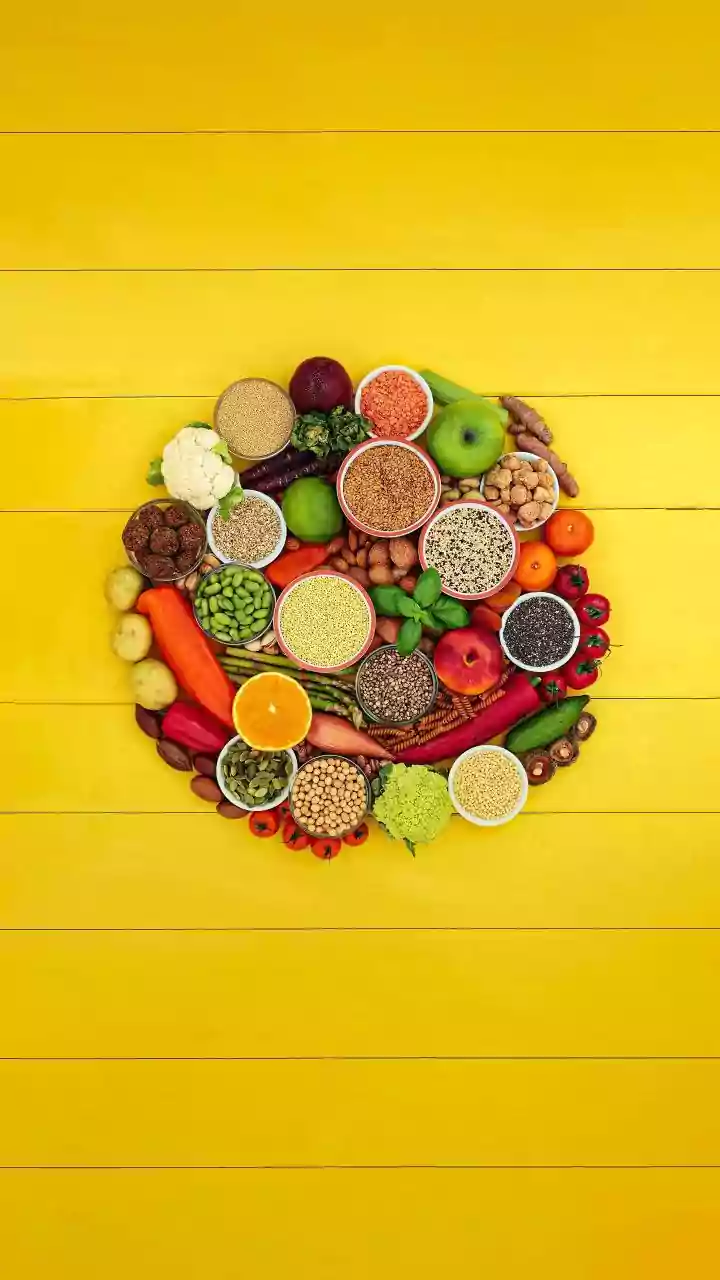
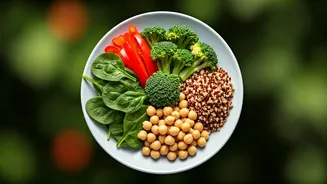
The fall of keto isn't just about one diet's failures; it's part of a much larger cultural shift. People are moving away from restrictive eating and the punitive mindset of traditional dieting. The conversation is no longer just about weight loss, but about overall well-being, metabolic health, and longevity. This is driven by a growing anti-diet movement that promotes body acceptance, intuitive eating, and a healthier relationship with food. In India and globally, there's a renewed interest in food as nourishment and even emotional support, rather than something to be feared or controlled. The focus is shifting from what to cut out to what to add in—specifically, a greater variety of whole foods. This new approach prioritises sustainability and enjoyment over the quick-fix promises that restrictive diets are built on.
What's Next on the Wellness Menu?
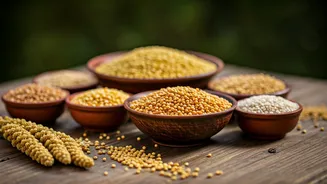
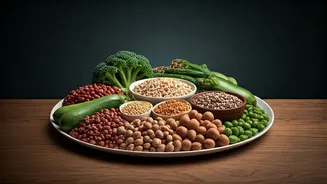
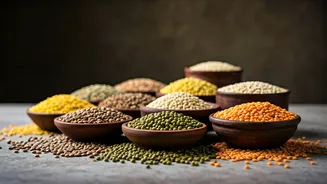
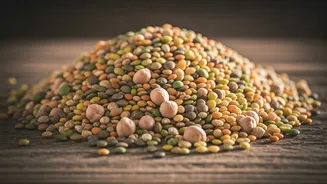
As keto’s popularity wanes, a new set of trends is taking its place, all pointing towards a more balanced and personalised approach. The new buzzword is “metabolic eating,” which focuses on stabilising blood sugar and energy levels through nutrient-dense foods rather than simply cutting calories. There is also a massive resurgence in the appreciation for fibre, with experts noting it's overtaking protein as the key nutrient of interest for its role in gut health, immunity, and satiety. In India, this is translating into a renewed appreciation for traditional ingredients like millets, lentils, and fermented foods that naturally support digestive wellness. Ultimately, the future of nutrition seems less about rigid, one-size-fits-all rules and more about flexibility, balance, and listening to your body's individual needs.