





Understanding the Star of the Show
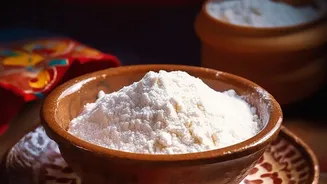
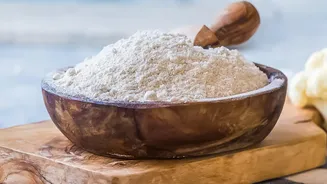
Before we dive into the recipes, let's get to know arrowroot. Also known as arrowroot powder or starch, it's extracted from the rhizomes of a tropical plant, Maranta arundinacea. Unlike cornstarch, which comes from a grain, arrowroot is naturally grain-free,
making it a staple in paleo and gluten-free cooking. Its key advantages are its neutral flavour, which won't alter the taste of your dish, and its ability to create a clear, glossy finish, whereas cornstarch can sometimes result in a cloudy appearance. Arrowroot also thickens at a lower temperature and holds up well in acidic mixtures, but it doesn't like to be overheated, which can cause it to lose its thickening power. Always make a 'slurry' by mixing it with a little cold water before adding it to hot liquids to prevent clumps.
1. For a Glossy, Clear Fruit Glaze
One of arrowroot’s most celebrated qualities is its ability to create a beautiful, transparent sheen, making it perfect for glazes on fruit tarts and other desserts. Cornstarch can leave glazes looking opaque or milky, but arrowroot provides a professional, jewel-like finish. Because it thickens quickly at a lower temperature, you can create a perfect glaze without overcooking delicate fruits.Recipe: Simple Fruit GlazeIn a small saucepan, whisk together 1 tablespoon of arrowroot powder and 1/4 cup of sugar. Slowly stir in 2/3 cup of a clear fruit juice, like apple or white grape. Heat the mixture over medium heat, stirring constantly, until it begins to bubble and thicken, which should only take a minute or two. Remove from the heat and let it cool slightly before brushing over fresh fruit on a tart or cake. As it cools, it will set into a firm, glossy coating.
2. For a Silky, Lump-Free Gravy
Nobody wants a lumpy gravy with a chalky, floury taste. Arrowroot is your secret weapon for exceptionally smooth sauces and gravies. Its fine powder dissolves easily into a slurry, and its neutral flavour means the true taste of your broth and seasonings shines through. Since it doesn't need to be cooked for a long time to lose a 'raw' taste, you can add it at the end of the cooking process to adjust the thickness perfectly just before serving.Recipe: Quick Vegetable GravyIn a saucepan, sauté finely chopped onions and mushrooms until soft. Add 2 cups of vegetable broth and your preferred herbs, like thyme or rosemary, and bring to a simmer. In a small bowl, whisk 2 tablespoons of arrowroot powder with 4 tablespoons of cold water to create a slurry. While whisking the simmering broth, slowly pour in the slurry. Continue to stir for about a minute as the gravy thickens to your desired consistency. Season with salt and pepper to taste.
3. For a Creamy, Delicate Pudding
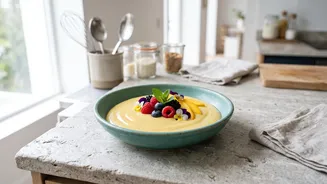
When making puddings or custards, texture is everything. Arrowroot provides thickening power without the heavy, sometimes gluey, texture that other starches can impart. This results in a dessert that feels light, creamy, and silky on the tongue. While some sources caution against using arrowroot with dairy as it can occasionally become slimy, it works wonderfully in many pudding recipes, especially those using non-dairy milks.Recipe: Classic Chocolate PuddingIn a bowl, whisk 3 tablespoons of arrowroot powder with 2/3 cup of milk (dairy or non-dairy) until smooth. In a saucepan, combine another 3 cups of milk with 1/2 cup cocoa powder and 1/3 cup sugar. Warm over medium heat, stirring until the sugar dissolves. Pour in the arrowroot slurry and continue to cook, stirring constantly, for about 5-7 minutes until the pudding thickens. Remove from heat, stir in a splash of vanilla extract, and pour into serving dishes to chill.
4. For a Perfect Fruit Pie Filling
Fruit pie fillings present a unique challenge: they are often acidic, which can interfere with the thickening power of some starches. Arrowroot excels here, as it is not broken down by acidic ingredients like berries and citrus. It also freezes well, unlike cornstarch, which can turn watery and separate upon thawing. This makes arrowroot the superior choice for pies that you might want to freeze and bake later, ensuring a perfect set every time.Recipe: Stable Berry Pie FillingIn a large bowl, gently toss 4 cups of mixed berries (fresh or frozen) with 1/2 cup of sugar and 4 tablespoons of arrowroot powder. Add a squeeze of lemon juice to brighten the flavours. Pour the mixture into your unbaked pie crust. The arrowroot will activate as the pie bakes, thickening the fruit juices into a stable, sliceable filling that isn't runny.
5. For Lighter Gluten-Free Baking
In the world of gluten-free baking, arrowroot is a valuable player. It's not typically used alone but is blended with other gluten-free flours to improve texture. Its starchy properties help provide structure and elasticity, which is often missing without gluten. It also contributes to a lighter, softer crumb in cookies, cakes, and biscuits, preventing the dense or gritty results that can sometimes happen in gluten-free recipes. Some recipes even use it as a binder to replace eggs.Recipe: Simple Arrowroot Shortbread CookiesPreheat your oven to 175°C. In a bowl, cream together 1/2 cup of softened butter and 1/4 cup of powdered sugar until light and fluffy. In a separate bowl, whisk together 3/4 cup of rice flour and 1/4 cup of arrowroot powder. Gradually add the dry ingredients to the butter mixture, mixing until a soft dough forms. Roll the dough out and cut into shapes, or simply form small rounds. Bake for 12-15 minutes, or until the edges are lightly golden. The arrowroot gives these cookies a delicate, melt-in-your-mouth quality.